
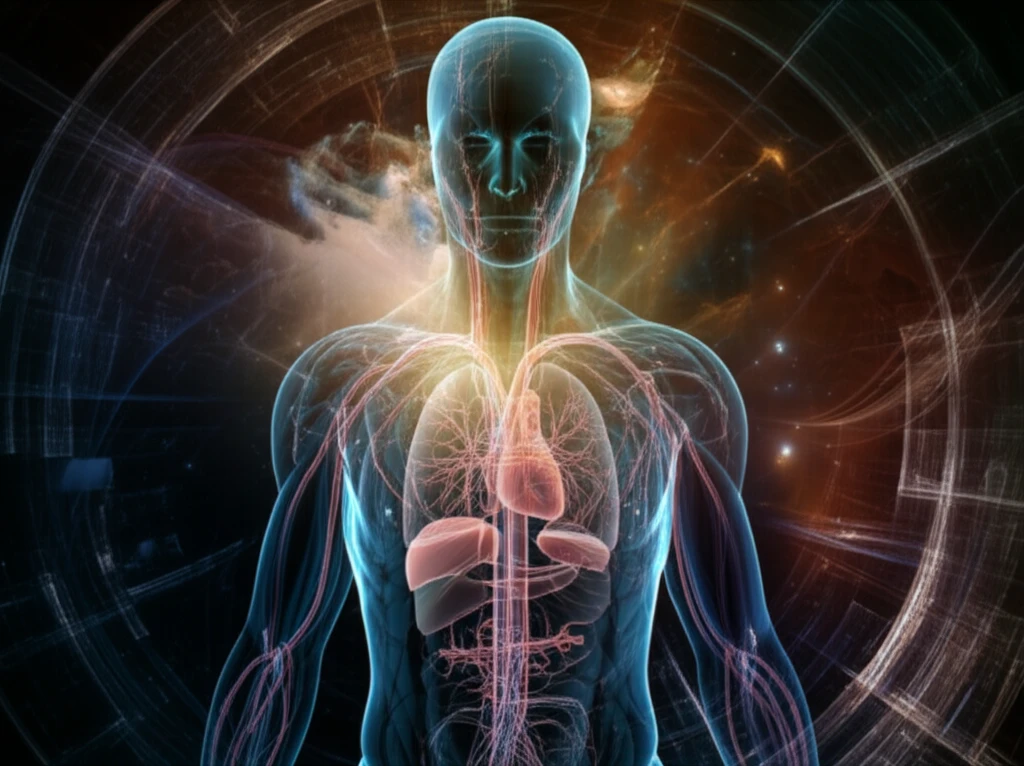
Illustration of a person with glowing internal organs, symbolizing nuclear medicine's view of the body.

Nuclear Medicine: A Lifeline for the Future of Healthcare

"Unveiling the Power of Advanced Imaging and Therapy: A Look at Global Trends and the Promise of Innovation"


The world of healthcare is constantly evolving, with groundbreaking advancements transforming how we diagnose and treat diseases. One such area experiencing rapid progress is nuclear medicine. This field utilizes small amounts of radioactive materials to visualize and treat a wide range of conditions, offering unique insights into the body's functions at a molecular level. From cancer diagnosis to heart disease management, nuclear medicine plays a vital role in modern medicine.

This article delves into the heart of nuclear medicine, exploring its current state, future potential, and the challenges it faces. We'll examine the innovative technologies, global trends, and the critical need for collaboration and investment to ensure that the benefits of nuclear medicine reach everyone, especially in underserved communities. This includes a focus on the World Federation of Nuclear Medicine and Biology (WFNMB) and its efforts to promote this vital medical field globally.

Whether you are a healthcare professional, a student, or simply someone interested in medical advancements, this comprehensive guide will provide you with a clear understanding of nuclear medicine's role in shaping the future of healthcare. Prepare to learn about the science, the challenges, and the hope that nuclear medicine brings to millions worldwide.

The Core of Nuclear Medicine: Diagnostic and Therapeutic Applications

Illustration of a person with glowing internal organs, symbolizing nuclear medicine's view of the body.

At its core, nuclear medicine involves using tiny amounts of radioactive substances called radiopharmaceuticals. These substances are either injected, swallowed, or inhaled, and they travel to specific areas within the body. Specialized cameras, such as PET (Positron Emission Tomography) and SPECT (Single Photon Emission Computed Tomography) scanners, detect the radiation emitted by these substances, creating detailed images that reveal how organs and tissues are functioning.

These imaging techniques are invaluable for diagnosing a wide range of conditions. For example, PET scans are highly effective in detecting cancer, assessing heart disease, and evaluating brain disorders. SPECT scans are often used to assess blood flow to the heart, detect bone infections, and evaluate thyroid function. The diagnostic capabilities of nuclear medicine allow for early and accurate detection, which is crucial for effective treatment.

  • Cancer Diagnosis and Staging: Identifying and assessing the extent of tumors.
  • Cardiovascular Disease: Evaluating heart function and blood flow.
  • Neurological Disorders: Diagnosing and monitoring conditions like Alzheimer's and Parkinson's disease.
  • Bone Scans: Detecting infections, fractures, and other bone-related issues.
  • Thyroid Studies: Assessing and treating thyroid disorders.
Beyond diagnosis, nuclear medicine also plays a critical role in therapy. Radioactive substances can be used to target and destroy cancer cells, shrink tumors, and relieve pain. This approach, known as radionuclide therapy, offers a precise and effective way to treat various types of cancer, thyroid disorders, and other conditions. As technology advances, these therapies are becoming more targeted and personalized, leading to better outcomes and fewer side effects.

Looking Ahead: The Future of Nuclear Medicine

Nuclear medicine stands at the forefront of medical innovation, offering hope and healing to patients worldwide. As technology continues to advance and global collaborations strengthen, the future of nuclear medicine is bright. By embracing innovation, addressing challenges, and working together, we can ensure that the benefits of nuclear medicine reach all corners of the globe, improving the health and well-being of millions for years to come.

About this Article -

This article was crafted using a human-AI hybrid and collaborative approach. AI assisted our team with initial drafting, research insights, identifying key questions, and image generation. Our human editors guided topic selection, defined the angle, structured the content, ensured factual accuracy and relevance, refined the tone, and conducted thorough editing to deliver helpful, high-quality information.See our About page for more information.

This article is based on research published under:

DOI-LINK: 10.1007/s13139-017-0501-x, Alternate LINK

Title: Message From The President-Elect Of The World Federation Of Nuclear Medicine And Biology

Subject: Radiology, Nuclear Medicine and imaging

Journal: Nuclear Medicine and Molecular Imaging

Publisher: Springer Science and Business Media LLC

Authors: Dong Soo Lee

Published: 2017-11-13

Everything You Need To Know

1

What role do radiopharmaceuticals play in nuclear medicine?

Radiopharmaceuticals are at the core of nuclear medicine. They are tiny amounts of radioactive substances that are administered to patients either through injection, ingestion, or inhalation. Once inside the body, these substances travel to specific organs or tissues. Specialized cameras, like PET and SPECT scanners, then detect the radiation emitted by the radiopharmaceuticals, creating detailed images that show how these organs and tissues are functioning at a molecular level. This process is crucial for both diagnosing and treating a variety of diseases.

2

How do PET and SPECT scans contribute to diagnosing different diseases?

PET (Positron Emission Tomography) and SPECT (Single Photon Emission Computed Tomography) scans are vital imaging techniques in nuclear medicine. PET scans are particularly effective for detecting cancer, assessing heart disease, and evaluating brain disorders by identifying areas with high metabolic activity, such as tumors. SPECT scans are commonly used to assess blood flow to the heart, detect bone infections, and evaluate thyroid function, providing detailed images of organ function and blood flow. These diagnostic capabilities enable early and accurate detection of various conditions.

3

In what ways is nuclear medicine used beyond diagnostics, particularly in therapy?

Beyond its diagnostic applications, nuclear medicine is crucial in therapy through radionuclide therapy. This involves using radioactive substances to target and destroy cancer cells, shrink tumors, and relieve pain. This therapeutic approach is precise and effective for treating various types of cancer, thyroid disorders, and other conditions. As technology advances, these therapies become more targeted and personalized, leading to better outcomes and fewer side effects.

4

What are some of the challenges and opportunities facing the global advancement of nuclear medicine?

While nuclear medicine offers significant benefits, it faces several challenges, including the need for increased investment, improved access in underserved communities, and global collaboration. The World Federation of Nuclear Medicine and Biology (WFNMB) plays a crucial role in addressing these challenges by promoting the field globally and fostering collaboration. Overcoming these obstacles will ensure that the benefits of nuclear medicine reach all corners of the globe, improving healthcare outcomes for millions.

5

Can you elaborate on the role of the World Federation of Nuclear Medicine and Biology (WFNMB) in the context of global healthcare?

The World Federation of Nuclear Medicine and Biology (WFNMB) is critical in advancing nuclear medicine worldwide. It facilitates the dissemination of knowledge, promotes best practices, and supports the growth of nuclear medicine in underserved regions. By fostering collaboration among professionals and institutions globally, the WFNMB ensures that the benefits of nuclear medicine are accessible to more people, addressing disparities in healthcare access and quality.

Newsletter Subscribe

Subscribe to get the latest articles and insights directly in your inbox.