
New Hope After Gastrectomy: A Revolutionary Surgical Technique to Prevent Complications

"Discovering the 'Jejunal Scarf-Covering Method' for a Better Recovery After Total Gastrectomy and Pancreaticojejunostomy"
Undergoing a total gastrectomy, the surgical removal of the entire stomach, is a life-altering procedure often necessary to treat severe conditions like cancer. While the surgery itself has advanced significantly, the subsequent recovery period can be fraught with challenges. One of the most serious complications is pancreatic fistula (PF), a leak from the pancreatic duct that can lead to infections and prolonged hospital stays. The good news is that medical science continues to innovate, and there's now a promising new approach to tackle this issue head-on.
This article dives into a novel surgical technique known as the 'jejunal scarf-covering method.' Developed to prevent pancreatic fistula following pancreaticojejunostomy (PJ) after total gastrectomy, this method is a significant step forward. It offers renewed hope for patients by addressing the unique challenges that arise after both procedures. We'll explore how it works, the benefits it offers, and what this means for patients' overall well-being.
The journey through total gastrectomy and PJ can be complex, but understanding the advancements in surgical techniques can empower patients and their families. By highlighting this innovative method, we aim to shed light on a more secure and streamlined recovery process, emphasizing hope and improved quality of life.
Unveiling the 'Jejunal Scarf-Covering Method': A Closer Look at the Surgical Innovation
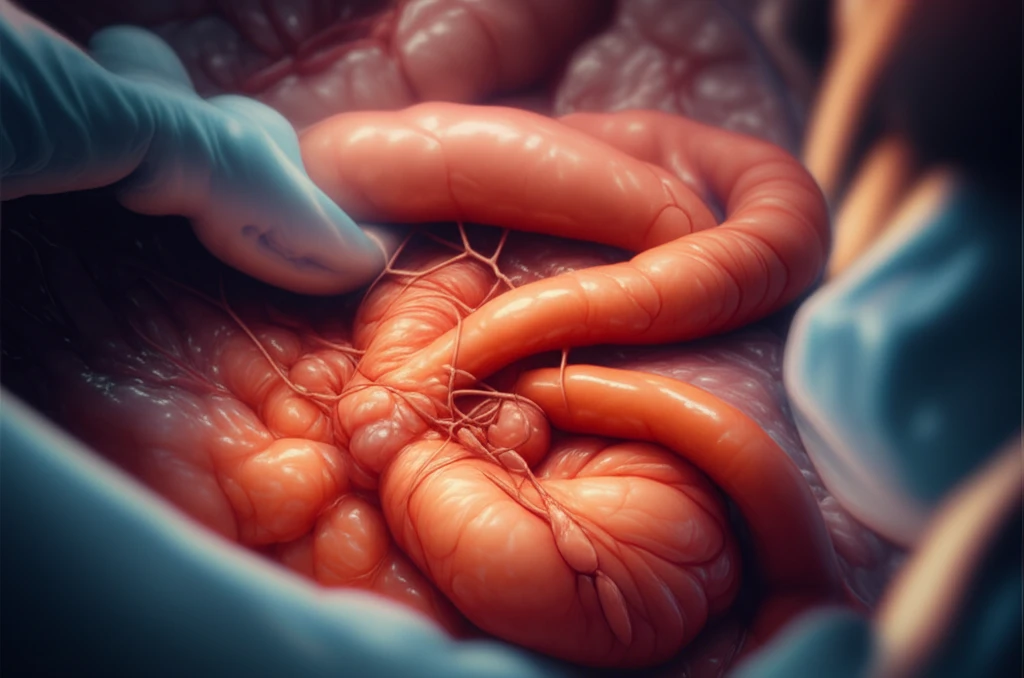
The 'jejunal scarf-covering method' represents a significant advancement in surgical techniques, particularly for patients who have undergone a total gastrectomy and require a subsequent pancreaticojejunostomy. The core of the method involves using a segment of the jejunum (the small intestine) to wrap and protect the site where the pancreas and the jejunum are connected. This is a critical area, as it's prone to leakage and the development of pancreatic fistulas.
- Preparation: After total gastrectomy, the surgical team prepares for the PJ. This involves careful dissection and preparation of the pancreatic stump and the jejunum.
- Jejunal Selection: A segment of the jejunum is chosen, ensuring it's healthy and has adequate blood supply.
- Wrapping Technique: The selected jejunal segment is meticulously wrapped around the pancreatico-jejunal anastomosis (the connection point). This creates a protective barrier.
- Securing the Wrap: The jejunal wrap is carefully secured in place using sutures.
- Closure: The surgical site is closed, with the jejunal wrap acting as a barrier to prevent leakage and promote healing.
The Future of Recovery: Embracing Innovation for Improved Outcomes
The 'jejunal scarf-covering method' is a testament to the ongoing innovations in surgical techniques aimed at improving patient outcomes. By offering a targeted approach to prevent complications after total gastrectomy and PJ, this method provides a renewed sense of hope for patients and their families. As medical science continues to evolve, such advancements pave the way for a future where surgical procedures are safer, recovery periods are shorter, and overall quality of life is significantly enhanced. If you or a loved one is facing a total gastrectomy, discussing this innovative method with your surgical team can be a positive step towards a more secure and successful recovery.