
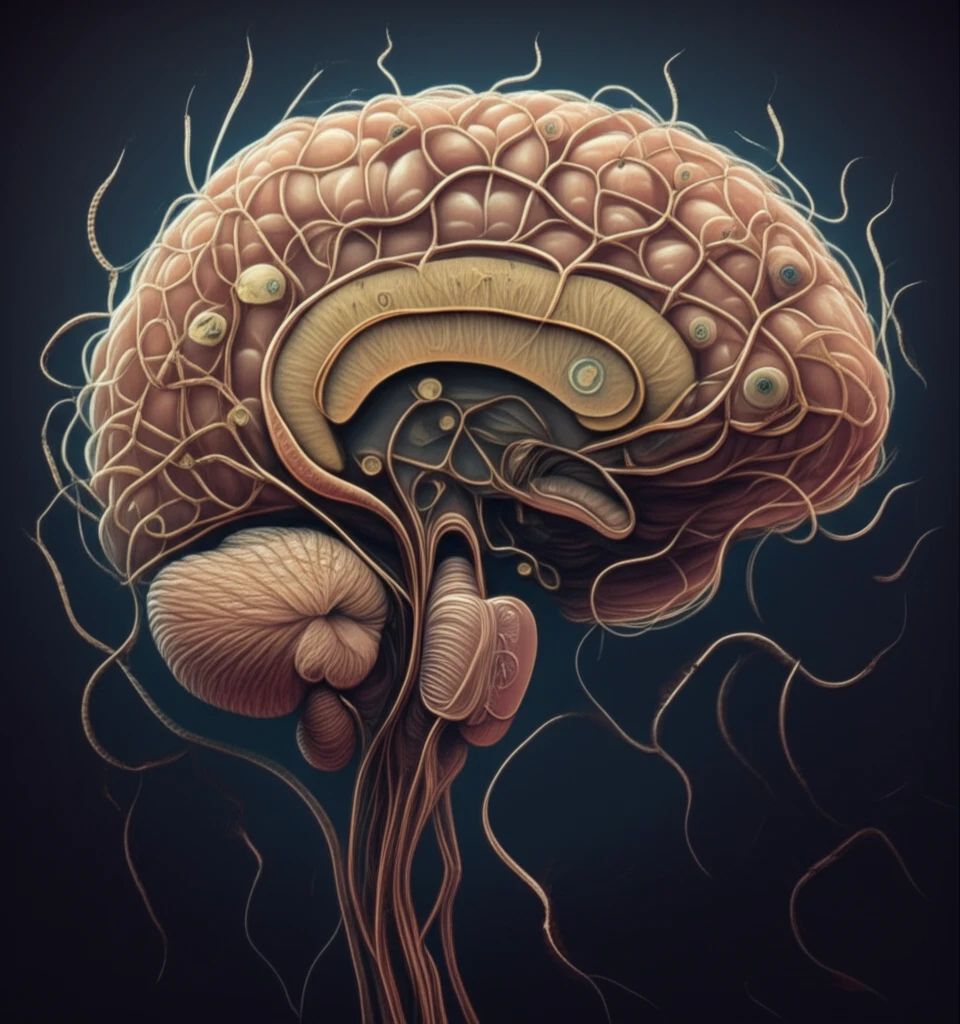
Neurocysticercosis: Understanding the Infection, Symptoms, and Prevention

"A comprehensive look at neurocysticercosis, a parasitic infection affecting the brain and nervous system, with insights into its causes, symptoms, and treatment options."
Neurocysticercosis (NCC) is a parasitic disease of the nervous system caused by the larval stage of the pork tapeworm, Taenia solium. The infection occurs when humans ingest tapeworm eggs, which then develop into larvae and form cysts in the brain, muscles, and other tissues. NCC is a major public health problem in many developing countries, particularly in Latin America, Asia, and Africa, where sanitation and hygiene practices are often inadequate.
The global prevalence of NCC is difficult to estimate due to underreporting and limited surveillance data. However, it is estimated that millions of people worldwide are infected with Taenia solium, and a significant proportion of these individuals will develop NCC. The disease is more common in rural areas and communities with poor sanitation, where pigs are often raised in close proximity to humans and are allowed to roam freely.
Understanding neurocysticercosis is vital, especially for those living in or traveling to endemic regions. By knowing the risks, symptoms, and preventive measures, you can protect yourself and your loved ones from this potentially serious infection. This article aims to provide a comprehensive overview of NCC, covering its causes, symptoms, diagnosis, treatment, and prevention strategies.
What are the Causes and Transmission of Neurocysticercosis?
Neurocysticercosis is primarily caused by ingesting eggs of the Taenia solium tapeworm. This usually happens through:
- Contaminated Food and Water: Consuming food or water contaminated with tapeworm eggs. This can occur when food is prepared by someone who has a tapeworm infection and does not wash their hands properly.
- Autoinfection: If a person has a tapeworm infection in their intestines, they can inadvertently ingest the eggs through poor hygiene practices, leading to NCC.
The importance of Prevention and Public Health Measures
Neurocysticercosis is a preventable disease. Public health measures, such as improving sanitation, promoting hygiene, and educating communities about the risks of consuming contaminated food and water, are essential for reducing the incidence of NCC. Additionally, proper meat inspection and cooking practices can help prevent tapeworm infection in pigs and humans. If you have any concerns about potential exposure or symptoms, consult with a healthcare provider for prompt diagnosis and treatment.