
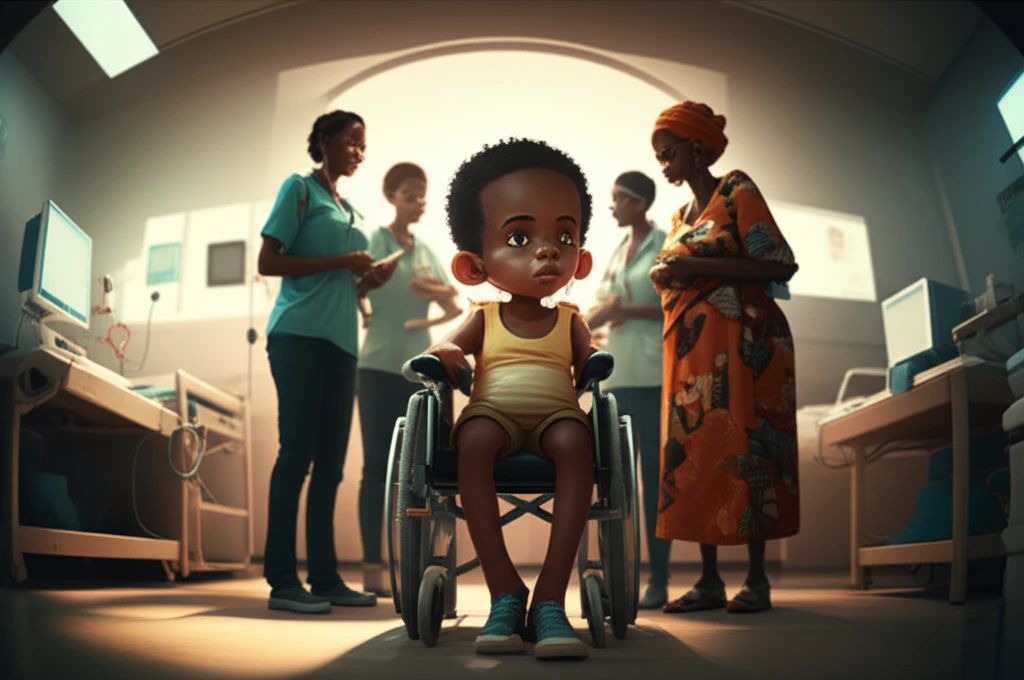
Neural Tube Defects in Uganda: Understanding the Challenges and Improving Outcomes

"A follow-up study reveals the critical need for enhanced antenatal care, coordinated treatment, and long-term support for children with neural tube defects in Uganda."
Neural tube defects (NTDs) are birth defects that occur when the neural tube, which forms the brain and spinal cord, doesn't close completely during pregnancy. These defects can lead to a range of disabilities, affecting a child’s physical and neurological development. Spina bifida, one of the most common NTDs, results in incomplete closure of the spinal cord, often causing mobility issues and other health problems.
In resource-limited settings like Uganda, the challenges associated with NTDs are magnified. Timely surgical intervention and ongoing management by specialized healthcare teams are essential, but often difficult to access. A recent study conducted at Mulago National Referral Hospital (MNRH) in Uganda sheds light on the outcomes of spina bifida patients and highlights the urgent need for improved care and support.
This article delves into the findings of the study, exploring the obstacles faced by children with NTDs in Uganda and the potential strategies to enhance their quality of life. By understanding the realities on the ground, we can work towards a brighter future for these vulnerable individuals.
What Are the Key Findings of the Uganda NTD Study?
The study, published in Neurosurgical Focus, examined the outcomes of children treated for NTDs at MNRH between 2014 and 2015. Researchers conducted follow-up phone surveys with caregivers to assess mortality rates, health issues, access to healthcare, and overall well-being. Here’s a breakdown of the key findings:
- The vast majority (92%) of the 201 patients studied were diagnosed with myelomeningocele.
- The median age at presentation was just 6 days old, highlighting the need for early detection and intervention.
- Half of the patients underwent surgical procedures, including defect closures, ventriculoperitoneal (VP) shunts for hydrocephalus, and endoscopic third ventriculostomy.
- The one-year mortality rate was alarmingly high at 34%.
- Among survivors, 91% had received healthcare since their initial discharge, but only 67% returned to MNRH for follow-up.
- Hydrocephalus was a common diagnosis, affecting 88% of patients.
- Caregivers reported physical deficits in 39% of patients, including clubfoot (18%) and bowel or bladder incontinence (12%).
- Access to home health resources was limited, with only 15% of patients reporting such access.
The Path Forward: Improving Outcomes for Children with NTDs in Uganda
The study's findings underscore the urgent need for a multi-pronged approach to improve outcomes for children with NTDs in Uganda. This includes enhancing access to quality antenatal care, ensuring timely surgical intervention, providing comprehensive follow-up care, and addressing the social stigmas associated with these conditions. By working together, healthcare professionals, policymakers, and communities can create a supportive environment where children with NTDs can thrive.