
Needle Navigation: A Comprehensive Guide to Venipuncture Mastery

"Unlock the secrets to successful IV placement with our in-depth look at anatomy, site selection, and technique refinements."
Venipuncture, a fundamental skill for healthcare professionals, extends beyond intravenous (IV) sedation. Proficiency in this technique is essential for all practitioners, providing a crucial route for drug administration and a vital tool for managing emergency situations.
While venipuncture is generally straightforward to learn, mastering it requires dedicated practice and a thorough understanding of the relevant anatomy. The ability to quickly and confidently establish an IV line can be life-saving in critical moments.
This guide explores the key aspects of venipuncture, from understanding the intricate network of veins and arteries to selecting the optimal site and refining your technique. Whether you're a seasoned practitioner or a novice phlebotomist, this resource will empower you to enhance your skills and provide exceptional patient care.
Venipuncture in the Landscape of Global Health Data
Understanding the global scale of venipuncture requires access to comprehensive health and demographic data. Organizations such as the World Bank provide free and open access to global development indicators, including health-related statistics relevant to medical procedures worldwide. National statistical bureaus, such as China's National Bureau of Statistics, contribute additional regional data that contextualize healthcare delivery and resource allocation. These data infrastructure systems support analysis of procedural volumes, healthcare access, and outcomes that are foundational to evaluating venipuncture's impact on public health.
Standard Venipuncture Technique and Its Constraints
Standard venipuncture blood testing requires a sample taken from the medial cubital vein of the arm on the anterior side of the elbow, as this vein is relatively accessible and close to the skin. Proper venipuncture technique encompasses equipment selection, complication management, and specimen handling to ensure reliable blood collection results. However, central venous approaches can be challenging due to factors such as patient size and the level of expertise required, which has motivated the development of alternative methods like the Sternoclavicular joint-Targeted External jugular venipuncture Method (STEM). These limitations underscore the need for practitioners to be trained in multiple approaches to accommodate diverse patient populations.
Etymology and Historical Evolution of Venipuncture
The term 'venipuncture' derives from 'venipunctura,' combining 'ven-' meaning 'vein' with 'puncture' meaning to pierce. Venipuncture is defined as a medical procedure involving the puncture of a vein, typically in the arm, using a needle to withdraw blood for diagnostic testing, therapeutic removal of excess red blood cells, or monitoring purposes. The procedure has evolved from rudimentary techniques to sophisticated methods with advances in needle technology, reflecting centuries of refinement in medical practice.
Navigating the Vascular Landscape: Key Anatomical Considerations
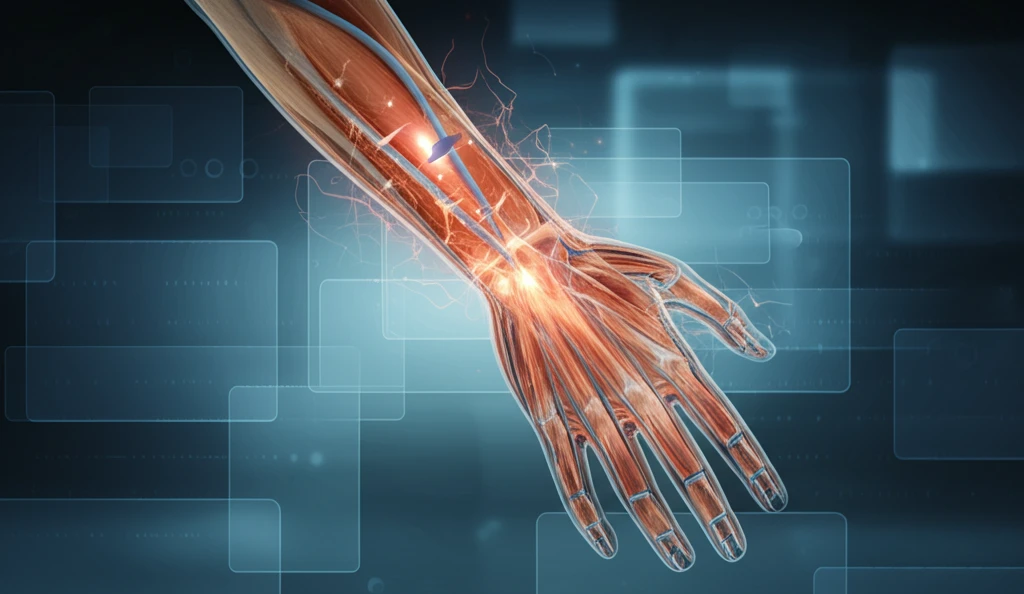
Successful venipuncture hinges on a strong understanding of the venous and arterial systems in the upper limb. While veins are the primary target, awareness of nearby arteries and nerves is crucial to avoid complications.
- Dorsum of the Hand: Preferred for its superficial veins and minimal risk of encountering arteries.
- Ventral Forearm: Offers larger veins and is anatomically safer than the antecubital fossa.
- Lateral Antecubital Fossa: Provides larger veins and a reduced risk of arterial puncture.
- Foot: Useful when upper limb access is limited, though accessibility is more limited.
Recent Advances in Venipuncture Techniques and Anxiety Reduction
Recent research has explored methods to reduce anxiety and improve outcomes during venipuncture, particularly in pediatric populations. One study found that administering two cubic centimeters of oral ten percent glucose two minutes before venipuncture via syringe, combined with maternal hugging, provided comfort during the procedure. Other investigations have examined the use of vein finder technology, which facilitates venipuncture and can save time and costs while reducing infection risk and maintaining patient safety. These findings contribute to a growing body of evidence supporting patient-centered approaches to blood collection.
Challenges and Failure Points in Venipuncture Practice
Proper venipuncture technique is critical, as it can greatly reduce patient discomfort and increase the likelihood of obtaining a satisfactory blood sample on the first attempt. Tourniquets are used to make it easier to find veins and draw blood by applying pressure to limit blood flow, but improper application can lead to difficulties. Limiting stress during venipuncture is important because stress affects physiological reactions, can increase vessel leakage, and may lead to hypotension, all of which can compromise the accuracy of laboratory results and the procedure itself. These failure modes highlight that technical skill alone is insufficient without attention to patient experience.
Venipuncture Versus Alternative Blood Collection Methods
Research comparing venipuncture with indwelling intravenous cannula sampling has found that venipuncture resulted in statistically significantly higher concentrations of certain catecholamines, including normetanepinephrine, metanephrine, and epinephrine. This suggests that the choice of sampling method can measurably affect biochemical results. Capillary blood sampling via dermal puncture provides an alternative for newborns when specialized phlebotomists for venipuncture are unavailable, as it requires less technical skill. Venipuncture is generally more reliable for certain tests and allows for larger sample volumes, while fingerstick methods are less traumatic for patients but may not be suitable for all diagnostic requirements.
Empowering Practitioners Through Knowledge
By mastering venipuncture techniques and cultivating a deep understanding of vascular anatomy, healthcare professionals can significantly enhance patient care, ensure safety, and confidently navigate even the most challenging clinical scenarios. Continuous learning and skill refinement are vital for maintaining proficiency and providing optimal patient outcomes.
Integrating Best Practices in Venipuncture
Venipuncture is the medical procedure of puncturing a vein to collect blood for lab testing, and mastering it requires understanding the step-by-step procedure, tube colors, and order of draw. A comprehensive body of over 6,140 published research articles and review papers on venipuncture is available through platforms such as ResearchGate, reflecting the depth of scholarly attention this procedure receives. Expert guidance emphasizes combining technical precision with patient communication to optimize outcomes. The breadth of published literature supports continued professional development as essential to maintaining high standards of care in blood collection.
Market Growth and Technological Innovation in Venipuncture
The venipuncture procedure market is poised for growth driven by technological advancements and increasing patient safety measures. Industry developments indicate a future where venipuncture procedures are safer, more efficient, and more patient-friendly, aligning with broader trends in digital health and precision medicine. The innovation pipeline encompasses advances across vacuum venipuncture, syringe venipuncture, and butterfly venipuncture techniques, each tailored to specific patient needs and clinical settings. Rising demand for blood collection camps and diagnostic testing is likely to further motivate expansion in the venipuncture needles and syringes market through 2030 and beyond.
Procedural Pain and the Burden of Repeated Venipuncture
The impact of procedural pain extends beyond immediate physical discomfort, as repeated exposure to painful medical procedures can have short-term behavioral, psychological, and physiological consequences. In children with severe neurological impairment, the number of lifetime venipunctures is remarkable, with more than half of studied populations undergoing more than thirty blood samplings over their lifetime. Venipuncture is recognized as a particularly distressing procedure in children with special neurological needs compared to healthy peers. Virtual reality has been explored as a concept for managing procedural pain in pediatric populations, reflecting the urgency of addressing this systemic challenge.
Reducing Pediatric Venipuncture Anxiety Through Technology
Vein finders have been studied as tools to reduce pediatric venipuncture anxiety, with comparisons drawn between traditional and technology-assisted approaches to blood collection. Best practices for integrating vein finders in pediatric settings emphasize the importance of reducing child distress during procedures. Immersive virtual reality intervention has also been investigated for its effects on pain and anxiety among pediatric patients undergoing venipuncture, with randomized controlled trials examining its efficacy. These technology-assisted approaches reflect a growing recognition that the human experience of venipuncture—particularly for young patients—is a critical dimension of procedural quality.