
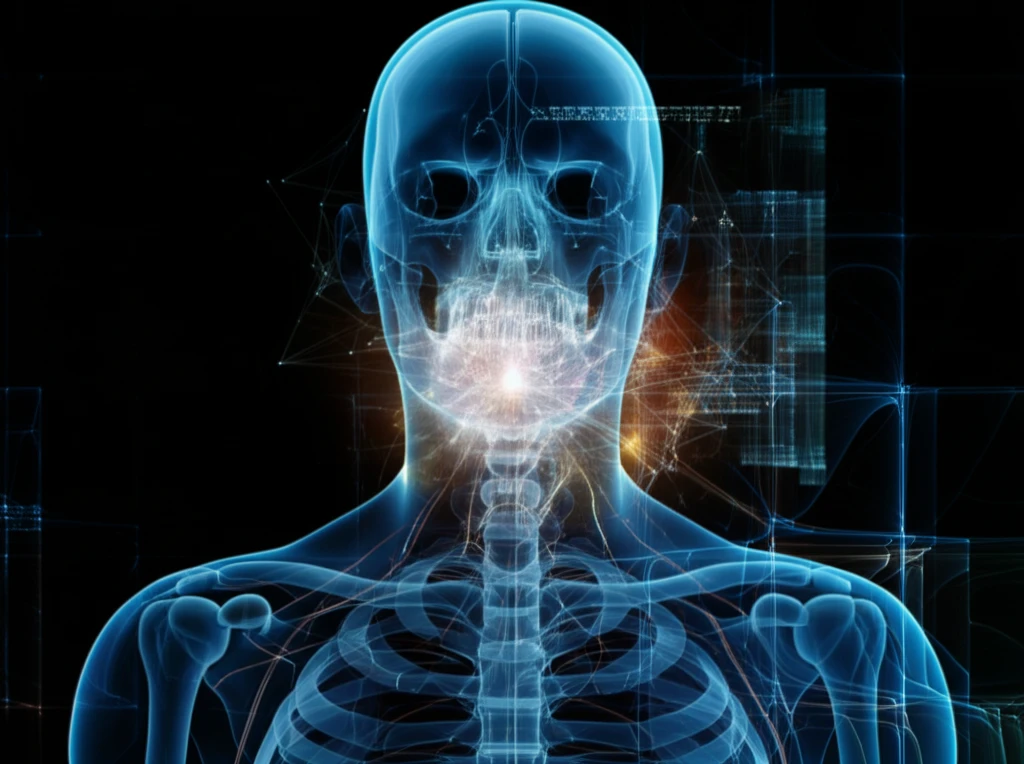
Futuristic digital illustration of a neck and spine integrated with a digital interface, representing predictive analytics in cervical deformity surgery.

Neck Surgery Complications: Are You at Risk?

"A new study identifies key factors that can predict complications following corrective cervical deformity surgery, helping patients and surgeons make informed decisions."


Cervical deformity (CD) surgery is becoming increasingly common as a solution for a range of debilitating conditions affecting the neck and spine. These conditions, which include inflammatory arthropathy, trauma, and spondylosis, can lead to severe pain, neurological symptoms, and reduced quality of life.

While CD surgery offers hope for many, it's not without risks. Complication rates vary, and predicting who will experience adverse outcomes has been a challenge. Factors such as advanced age and concurrent health conditions can increase the likelihood of complications, making it crucial to identify and mitigate these risks before surgery.

A new study published in the Journal of Clinical Neuroscience offers a breakthrough in predicting complications following corrective CD surgery. By analyzing data from a prospective multicenter database and using predictive analytics, researchers have developed a model that identifies key risk factors. This model promises to improve patient selection, pre-operative planning, and overall surgical outcomes.

What are the Key Predictors of Surgical Complications?

Futuristic digital illustration of a neck and spine integrated with a digital interface, representing predictive analytics in cervical deformity surgery.

The study, led by Peter G. Passias and colleagues, involved a detailed analysis of 123 patients undergoing CD surgery. The researchers collected extensive demographic and clinical data, including age, gender, body mass index (BMI), history of prior cervical surgery, and pre-existing conditions such as depression and osteoporosis. Surgical data, such as operative time, estimated blood loss, and surgical approach, were also analyzed.

Cervical deformity was defined by specific radiographic criteria, including:

  • C2-C7 Cobb angle >10° (cervical kyphosis)
  • C2-C7 coronal Cobb angle >10° (cervical scoliosis)
  • C2-C7 sagittal vertical axis (cSVA) >4 cm
  • Chin-brow vertical angle (CBVA) >25°
The study identified several significant predictors of complications. The most common complications observed were neurological issues (24.4%), dysphagia (difficulty swallowing, 13.0%), cardiopulmonary problems (11.4%), and infection (9.7%). Overall, 64.2% of patients experienced at least one complication, highlighting the need for better predictive tools.

Making Informed Decisions About Your Neck Surgery

This research underscores the importance of a comprehensive pre-operative assessment to identify patients at higher risk for complications following cervical deformity surgery. While the study's findings are specific to a cervical population with moderate to severe deformities, they provide valuable insights for pre-operative risk assessment and patient education. By understanding your individual risk factors, you and your surgeon can make informed decisions to optimize your surgical outcomes and improve your quality of life.

About this Article -

This article was crafted using a human-AI hybrid and collaborative approach. AI assisted our team with initial drafting, research insights, identifying key questions, and image generation. Our human editors guided topic selection, defined the angle, structured the content, ensured factual accuracy and relevance, refined the tone, and conducted thorough editing to deliver helpful, high-quality information.See our About page for more information.

Everything You Need To Know

1

What is cervical deformity surgery, and what conditions does it aim to correct?

Cervical deformity (CD) surgery addresses debilitating conditions affecting the neck and spine, like inflammatory arthropathy, trauma, and spondylosis. These conditions often lead to pain, neurological symptoms, and a reduced quality of life. The surgery aims to correct deformities and alleviate these symptoms, offering improved function and well-being to patients who have not found relief through other treatments. It is becoming increasingly common as a solution for these problems.

2

What are the key risk factors that can predict complications after cervical deformity surgery?

Several risk factors can predict complications following corrective cervical deformity surgery. These include factors such as advanced age, pre-existing conditions like depression and osteoporosis, a history of prior cervical surgery, as well as surgical factors like operative time and estimated blood loss. Identifying these predictors allows surgeons and patients to better prepare for surgery and mitigate potential adverse outcomes.

3

How does the predictive model work to assess the risk of complications in cervical deformity surgery?

A model using predictive analytics has been developed to identify key risk factors. This model uses radiographic criteria to assess cervical deformity, including measurements like the C2-C7 Cobb angle (for cervical kyphosis and scoliosis), C2-C7 sagittal vertical axis (cSVA), and chin-brow vertical angle (CBVA). By analyzing these factors, the model can estimate the likelihood of complications, aiding in patient selection and pre-operative planning.

4

What are the most common complications that can occur following cervical deformity surgery?

The most common complications include neurological issues, dysphagia (difficulty swallowing), cardiopulmonary problems, and infection. Neurological issues can arise from the surgery's impact on the spinal cord and nerves, while dysphagia may occur due to swelling or nerve damage affecting swallowing muscles. Cardiopulmonary problems and infections are risks associated with any major surgery, and their occurrence can be influenced by the patient's pre-existing health conditions.

5

Why is understanding your individual risk factors important before undergoing cervical deformity surgery?

Understanding individual risk factors is important because it enables patients and surgeons to make informed decisions about treatment. By knowing the potential complications and their likelihood, patients can have realistic expectations and work with their surgeons to optimize surgical outcomes. This shared understanding can lead to better preparation, improved post-operative care, and ultimately, a higher quality of life after cervical deformity surgery.

Newsletter Subscribe

Subscribe to get the latest articles and insights directly in your inbox.