
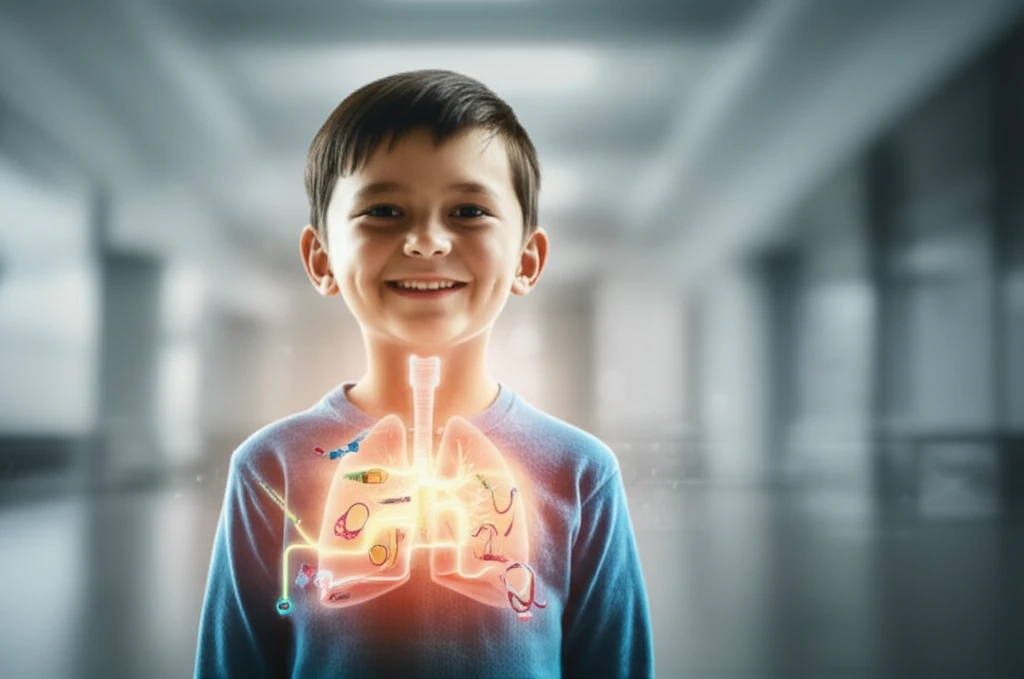
Digital illustration of a child with glowing chest cavity filled with medical tools and a roadmap.

Navigating the Unknown: Surgical Approaches to Pediatric Mediastinal Tumors

"Understanding the complexities of diagnosis, treatment, and outcomes in children with tumors affecting the chest area."


The diagnosis of a tumor in a child's chest, or mediastinum, is a moment filled with uncertainty and fear for families. These tumors, though rare, present unique challenges due to their varied nature and the delicate anatomy of children. Understanding the disease, the surgical approaches, and the expected outcomes is crucial for parents and caregivers navigating this difficult journey. This article offers a comprehensive overview of pediatric mediastinal tumors, emphasizing the importance of specialized care and the advancements in surgical techniques.

Pediatric superior mediastinal tumors are a heterogeneous group of conditions, meaning they encompass a wide variety of tumor types, each with its own characteristics. These tumors can originate within the mediastinum, the space in the chest that houses the heart, major blood vessels, trachea, and esophagus, or they can extend into it from nearby structures. The complexity of these tumors necessitates a multidisciplinary approach, involving surgeons, oncologists, radiologists, and anesthesiologists.

This article will explore the various surgical approaches used to treat these tumors, the anesthetic considerations involved, and the outcomes experienced by patients. It will also highlight the importance of early detection, accurate diagnosis, and specialized care in improving outcomes for children facing this diagnosis.

Unraveling the Complexity: Types, Diagnosis, and Treatment

Digital illustration of a child with glowing chest cavity filled with medical tools and a roadmap.

Mediastinal tumors in children can be broadly categorized into different types, with germ cell tumors, neuroblastomas, and sarcomas being among the most common. The diagnostic process typically begins with a detailed medical history and physical examination, followed by imaging studies such as chest X-rays, CT scans, and MRIs. These imaging techniques help to determine the size, location, and extent of the tumor, as well as its relationship to surrounding structures. In some cases, a biopsy may be necessary to obtain a tissue sample for pathological analysis, which is critical for accurate diagnosis and treatment planning.

Treatment strategies for pediatric mediastinal tumors are highly individualized and depend on the type, size, and location of the tumor, as well as the child's overall health. In many cases, a combination of treatments is employed. Chemotherapy may be used to shrink the tumor before surgery, while radiation therapy may be used after surgery to eliminate any remaining cancer cells. Surgical resection, or the removal of the tumor, is often a key component of treatment.

  • Germ Cell Tumors: These tumors, often found in the mediastinum, require a specific treatment approach.
  • Neuroblastomas: These tumors can encase major blood vessels in the chest.
  • Soft Tissue Sarcomas: Include a variety of cancers requiring a tailored approach.
  • Surgical Approaches: Extended lateral thoracotomy, trapdoor, clamshell, cervical approach, and double level lateral thoracotomy are examples.
The choice of surgical approach depends on the tumor's location, size, and relationship to surrounding structures. The goal of surgery is to completely remove the tumor while preserving vital organs and minimizing complications. Post-operative care is crucial and may involve monitoring for complications, managing pain, and providing supportive care. Long-term follow-up is also essential to monitor for any recurrence of the tumor or delayed effects of treatment. The medical team must be experienced and capable of addressing the unique challenges of pediatric mediastinal tumors.

A Path Forward: Hope and Progress in Pediatric Oncology

The treatment of pediatric mediastinal tumors requires a collaborative, multidisciplinary approach. The advancements in surgical techniques, anesthetic management, and supportive care have significantly improved the outcomes for children facing these challenges. While the journey can be daunting, the dedication of healthcare professionals, the support of families, and the ongoing research efforts offer hope for a brighter future. This article has provided valuable insights into this complex field, empowering both patients and caregivers.

About this Article -

This article was crafted using a human-AI hybrid and collaborative approach. AI assisted our team with initial drafting, research insights, identifying key questions, and image generation. Our human editors guided topic selection, defined the angle, structured the content, ensured factual accuracy and relevance, refined the tone, and conducted thorough editing to deliver helpful, high-quality information.See our About page for more information.

This article is based on research published under:

DOI-LINK: 10.1016/j.jnci.2017.08.001, Alternate LINK

Title: Surgical Approaches, Anaesthetic Management And Outcome In Pediatric Superior Mediastinal Tumors

Subject: Cancer Research

Journal: Journal of the Egyptian National Cancer Institute

Publisher: Springer Science and Business Media LLC

Authors: Gehad Ahmed, Mohammed M. Hegazy, Tarek Raafat, Hanafy Hafez, Sayed Fadel, Maged Elshafiey

Published: 2017-09-01

Everything You Need To Know

1

What are the primary types of pediatric mediastinal tumors that are commonly observed?

The most common types of pediatric mediastinal tumors include germ cell tumors, neuroblastomas, and soft tissue sarcomas. Germ cell tumors often necessitate a specific treatment strategy. Neuroblastomas can pose a significant challenge when they encase major blood vessels in the chest. Soft Tissue Sarcomas encompass a variety of cancers, each requiring an individualized treatment approach. These variations highlight the necessity for precise diagnostics and tailored treatment plans.

2

How do doctors determine the best way to surgically remove a mediastinal tumor in a child?

The selection of a surgical approach for removing a pediatric mediastinal tumor is based on several factors, including the tumor's location, its size, and its relationship to surrounding structures. Surgical approaches includes extended lateral thoracotomy, trapdoor, clamshell, cervical approach, and double level lateral thoracotomy. The ultimate goal is to completely remove the tumor while preserving vital organs and minimizing potential complications, emphasizing the need for a highly skilled and experienced surgical team.

3

What is the role of chemotherapy and radiation therapy in treating mediastinal tumors in children?

Chemotherapy and radiation therapy are critical components in the treatment of pediatric mediastinal tumors. Chemotherapy is often used to shrink the tumor before surgery, making it easier to remove. Radiation therapy may be administered after surgery to eliminate any remaining cancer cells and prevent recurrence. The decision to use either, or both, depends on the tumor type, its stage, and the child's overall health, underscoring the need for a multidisciplinary approach involving oncologists, surgeons, and radiation oncologists.

4

Why is a multidisciplinary approach so important when treating pediatric mediastinal tumors?

A multidisciplinary approach is crucial because pediatric mediastinal tumors are complex and varied. Effective treatment requires the expertise of various specialists, including surgeons, oncologists, radiologists, and anesthesiologists. Each specialist brings unique skills and knowledge to the table, ensuring that every aspect of the child's care is addressed comprehensively. This collaborative approach optimizes treatment strategies and improves outcomes, reflecting the necessity of integrated and coordinated care.

5

What long-term care is needed after a child has surgery for a mediastinal tumor?

Following surgical removal of a mediastinal tumor, comprehensive post-operative care and long-term follow-up are essential. This includes monitoring for potential complications, effective pain management, and supportive care to aid recovery. Long-term follow-up is crucial for detecting any recurrence of the tumor or delayed effects of treatment. Regular check-ups and imaging studies help ensure the child's ongoing health and well-being, highlighting the importance of continued vigilance and specialized care.

Newsletter Subscribe

Subscribe to get the latest articles and insights directly in your inbox.