
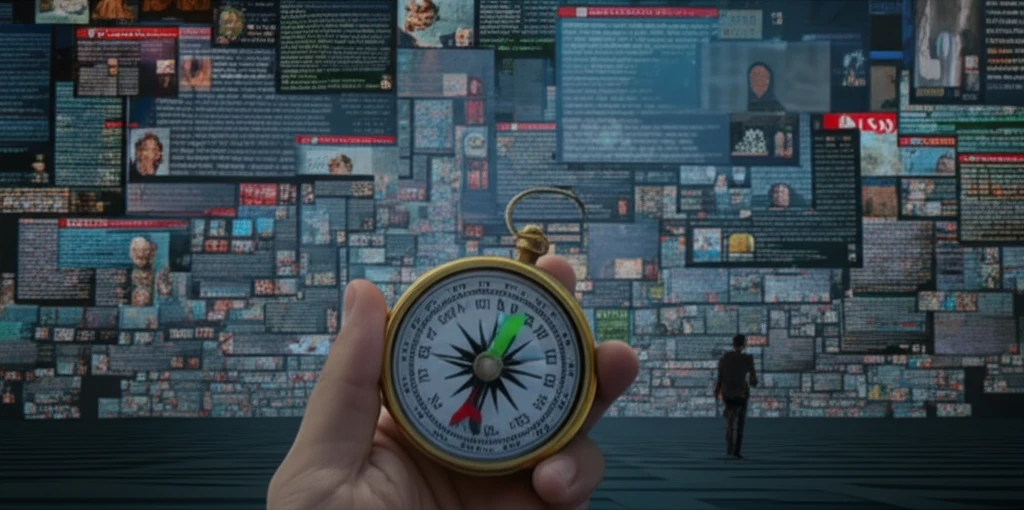
A person navigating a maze of screens with a compass labeled 'Media Literacy.'

Navigating the Media Maze: How to Stay Informed Without Losing Your Mind

"In an era of information overload, developing critical media literacy skills is essential for staying informed and maintaining your mental well-being."


In today's world, we're constantly bombarded with information from all directions. Social media, news outlets, blogs, and countless other sources compete for our attention, creating a relentless barrage of headlines, articles, and opinions. While access to information is undoubtedly a powerful tool, this constant influx can also be overwhelming, leading to stress, anxiety, and a distorted view of reality.

The challenge lies not in avoiding media altogether, but in developing the skills to navigate it effectively. This is where media literacy comes in. Media literacy is the ability to access, analyze, evaluate, and create media in a variety of forms. It empowers us to become critical thinkers who can discern credible information from misinformation, understand the biases that shape media narratives, and make informed decisions based on a balanced perspective.

This article will provide you with practical strategies for cultivating media literacy in your daily life. We'll explore how to identify reliable sources, manage your media consumption habits, recognize common misinformation tactics, and protect your mental well-being in the face of overwhelming news cycles. Whether you're a seasoned news consumer or just starting to engage with the media, these skills will help you stay informed, empowered, and in control.

Is That Source Legit? Identifying Credible News Outlets

A person navigating a maze of screens with a compass labeled 'Media Literacy.'

With so many sources vying for your attention, it's crucial to distinguish between credible news outlets and those that may be unreliable or biased. Here's how to evaluate a source's credibility:

Consider the following when determining credibility:

  • Check the source's reputation: Is the outlet known for its accuracy and journalistic integrity? Look for established news organizations with a history of responsible reporting.
  • Verify the author's credentials: Is the author an expert on the topic they're writing about? Do they have any potential biases or conflicts of interest?
  • Look for evidence-based reporting: Does the source cite its sources and provide evidence to support its claims? Be wary of outlets that rely on anonymous sources or unsubstantiated rumors.
  • Be aware of bias: All news outlets have a certain perspective, but credible sources strive for objectivity and present multiple sides of a story. Be wary of outlets that consistently present a one-sided view or use inflammatory language.
  • Cross-reference information: Compare the information you're reading with reports from other news outlets. If multiple sources are reporting the same information, it's more likely to be accurate.
By carefully evaluating the sources you're consuming, you can protect yourself from misinformation and develop a more accurate understanding of the world around you.

Staying Informed, Staying Sane

In the age of information overload, media literacy is not just a valuable skill – it's a necessity for maintaining your mental well-being and navigating the complexities of the modern world. By developing critical thinking skills, managing your media consumption, and staying informed about misinformation tactics, you can empower yourself to be a responsible and discerning news consumer.

About this Article -

This article was crafted using a human-AI hybrid and collaborative approach. AI assisted our team with initial drafting, research insights, identifying key questions, and image generation. Our human editors guided topic selection, defined the angle, structured the content, ensured factual accuracy and relevance, refined the tone, and conducted thorough editing to deliver helpful, high-quality information.See our About page for more information.

Everything You Need To Know

1

What is media literacy and why is it important?

Media literacy is the ability to access, analyze, evaluate, and create media in a variety of forms. It is crucial because it empowers individuals to become critical thinkers, enabling them to discern credible information from misinformation, understand biases in media, and make informed decisions. In the current environment, constant exposure to information from sources like social media, news outlets, and blogs can lead to stress and a distorted view, making media literacy essential for maintaining mental well-being.

2

How can I identify credible news outlets in the media landscape?

To identify credible news outlets, you should consider several factors. First, check the source's reputation for accuracy and journalistic integrity. Verify the author's credentials and look for any potential biases or conflicts of interest. Credible sources will provide evidence-based reporting, citing their sources and supporting claims. Be aware of bias; while all outlets have a perspective, credible ones strive for objectivity. Cross-reference information with other news outlets to confirm accuracy.

3

Why is it important to manage media consumption habits?

Managing media consumption is essential for maintaining mental well-being. The constant influx of information from numerous sources can be overwhelming, leading to stress, anxiety, and a skewed perception of reality. Developing media literacy skills allows individuals to navigate this overload, protecting them from the negative effects of excessive media exposure, and empowering them to stay informed without losing their mental balance.

4

What are some common misinformation tactics I should be aware of?

The text emphasizes the need to stay informed about misinformation tactics, though it doesn't explicitly list specific tactics. However, it does highlight the importance of identifying credible sources and being wary of outlets that rely on anonymous sources or unsubstantiated rumors. To protect yourself, always look for evidence-based reporting and cross-reference information with other reliable news sources. Developing critical thinking skills is key to recognizing and avoiding these tactics.

5

How does media literacy help protect my mental well-being?

Media literacy acts as a crucial shield for your mental well-being by helping you navigate the complexities of the modern media landscape. By developing critical thinking skills, you can discern credible information from misinformation, avoiding the stress and anxiety caused by constant exposure to potentially unreliable sources. Managing your media consumption habits further helps control the information flow, preventing overload and enabling a more balanced and informed perspective, which ultimately supports your mental health.

Newsletter Subscribe

Subscribe to get the latest articles and insights directly in your inbox.