
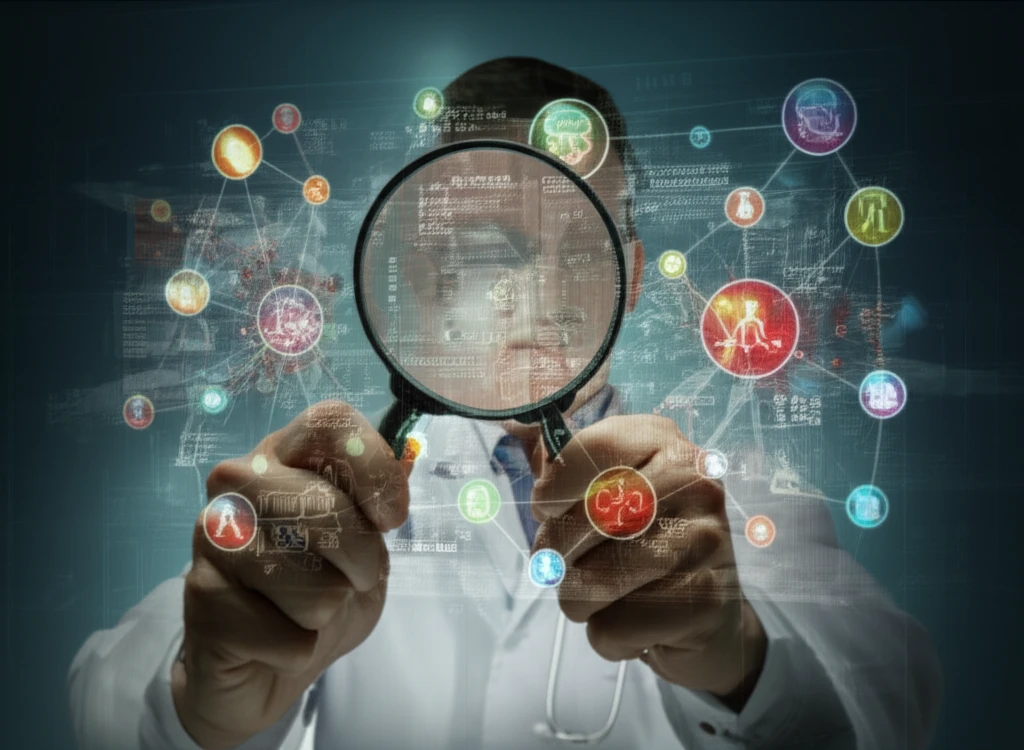
Doctor analyzing complex medical chart.

Navigating the Labyrinth: A Deep Dive into the World of Atypical Medical Cases

"From diagnostic dilemmas to rare diseases, this guide unveils the critical role of clinical acumen and meticulous evaluation in unveiling medical mysteries."


In the realm of medicine, where well-trodden paths of common ailments meet the uncharted territories of rare and atypical conditions, lies a labyrinth of diagnostic challenges. These cases, often defying textbook descriptions, test the very mettle of clinical acumen and the art of meticulous evaluation. From subtle initial signs that mask severe underlying pathologies to the mimicking of common diseases by rare conditions, navigating these diagnostic puzzles requires more than just knowledge; it demands a detective's eye, a scientist's curiosity, and a healer's heart.

The atypical medical case represents a deviation from the usual presentation of a disease or condition, challenging conventional diagnostic frameworks. These cases may involve rare diseases, unusual manifestations of common illnesses, or unique combinations of conditions, creating a diagnostic complexity that can perplex even the most seasoned medical professionals.

This guide aims to shed light on the critical role of a meticulous and thorough approach in untangling atypical medical cases. By delving into the importance of detailed history taking, comprehensive physical examinations, and thoughtful consideration of all diagnostic possibilities, it underscores the significance of heightened clinical awareness in the pursuit of accurate and timely diagnoses.

The Art of the Thorough Approach: Clues in the Details

Doctor analyzing complex medical chart.

A thorough approach to atypical medical cases begins with the art of history taking, not merely as a rote exercise, but as a patient-centered narrative. This involves a comprehensive exploration of the patient's medical history, including past illnesses, medications, allergies, family history, and psychosocial factors. It's about listening intently, asking the right questions, and piecing together the puzzle of the patient's experience to uncover potential clues that might be overlooked in a routine evaluation.

Physical examinations, too, must extend beyond the obvious. A comprehensive physical exam, including careful inspection, palpation, percussion, and auscultation, is essential for identifying subtle yet significant signs. This process includes being attentive to constitutional symptoms, assessing vital signs, and examining all relevant organ systems. Recognizing skin changes, ocular findings, and musculoskeletal abnormalities—all potentially subtle clues—can be pivotal in narrowing the diagnostic possibilities.

Recognizing the limitations of standard diagnostic tools. Understanding when to deviate from established protocols. Maintaining a high index of suspicion for unusual presentations. Collaborating with specialists across various medical disciplines.
When conventional diagnostic modalities fall short, clinicians must venture into the realm of specialized and advanced testing. This may involve genetic testing, advanced imaging techniques, such as MRI and PET scans, or invasive procedures, including biopsies and endoscopies. The selection of tests should be judicious, guided by the patient's unique presentation and a sound understanding of the sensitivity, specificity, and limitations of each test.

The Road Ahead: Towards a More Attentive Medicine

Atypical medical cases are not just diagnostic puzzles; they are opportunities to refine medical understanding and enhance patient care. Future directions involve integrating cutting-edge diagnostic technologies with personalized patient narratives, fostering a culture of shared learning among medical professionals, and advocating for healthcare systems that support thorough investigation and innovative thinking. In this way, the medical community can move towards a more attentive, adaptive, and effective approach to medicine, ensuring that no patient's unique story is left unheard or misunderstood.

About this Article -

This article was crafted using a human-AI hybrid and collaborative approach. AI assisted our team with initial drafting, research insights, identifying key questions, and image generation. Our human editors guided topic selection, defined the angle, structured the content, ensured factual accuracy and relevance, refined the tone, and conducted thorough editing to deliver helpful, high-quality information.See our About page for more information.

Everything You Need To Know

1

What exactly is considered an atypical medical case?

An atypical medical case is when a patient's condition doesn't fit the usual or expected pattern of a disease. This can involve rare diseases, unusual symptoms of common illnesses, or a mix of different conditions, making it hard to diagnose. These cases challenge standard diagnostic methods and require a broader, more detailed approach to figure out what's going on.

2

Why is it so important to take a thorough approach, including detailed history taking and comprehensive physical examinations?

Taking a thorough approach, including detailed history taking and comprehensive physical examinations, is crucial because atypical cases often present with subtle or misleading symptoms. A careful history can uncover past illnesses, family history, and other factors that might be relevant. A comprehensive physical exam helps identify subtle signs, such as skin changes or musculoskeletal abnormalities, that could provide clues to the underlying condition. Paying attention to these details helps narrow down the possible diagnoses and guide further testing.

3

What happens when standard diagnostic tests don't give a clear diagnosis in atypical cases?

When standard tests don't provide a clear answer, clinicians turn to specialized and advanced testing methods. These can include genetic testing to identify rare genetic disorders, advanced imaging techniques like MRI and PET scans to visualize internal structures and functions, and invasive procedures like biopsies and endoscopies to collect tissue samples for analysis. The choice of tests depends on the specific case and requires a careful consideration of each test's accuracy and limitations.

4

What is meant by 'clinical acumen,' and why is it so essential in dealing with atypical cases?

Clinical acumen is the ability of medical professionals to make sound judgments and decisions based on their knowledge, experience, and careful observation of patients. In atypical cases, where standard guidelines may not apply, clinical acumen is essential for recognizing unusual patterns, considering rare possibilities, and integrating various pieces of information to arrive at an accurate diagnosis. It involves critical thinking, intuition, and a willingness to challenge conventional wisdom.

5

Why is it so important to collaborate with different specialists in managing atypical medical cases?

Collaboration with specialists across different medical disciplines is vital because atypical cases often involve multiple organ systems or complex interactions between different conditions. Specialists can offer unique expertise and insights that may not be available from a general practitioner. By working together, clinicians can share knowledge, discuss different perspectives, and develop a more comprehensive understanding of the patient's condition, leading to better diagnostic and treatment decisions.

Newsletter Subscribe

Subscribe to get the latest articles and insights directly in your inbox.