
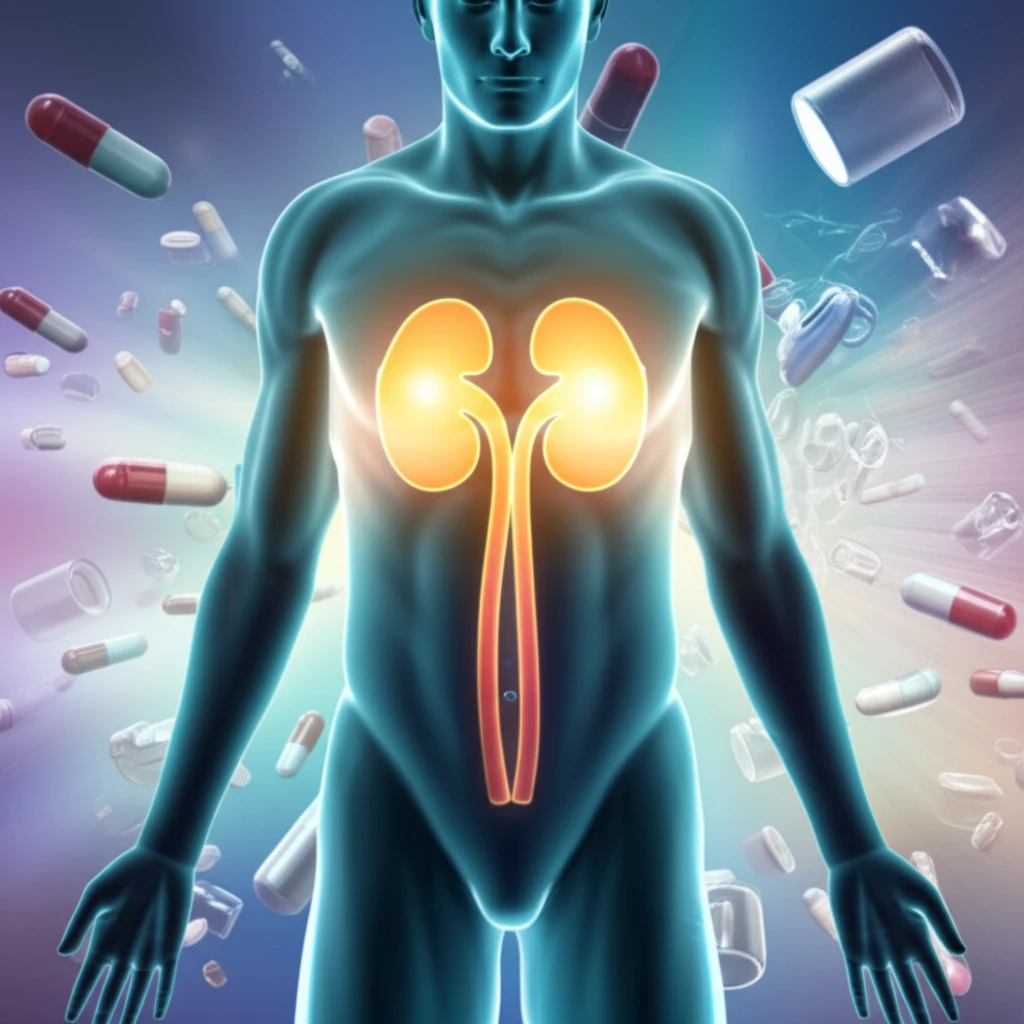
Illustration depicting kidneys protected during cancer treatment

Navigating the Kidney Maze: A Guide to Protecting Your Kidneys During Cancer Treatment

"Understanding Nephrotoxicity: How Cancer Chemotherapy Can Impact Your Kidneys and What You Can Do About It"


Cancer treatment, a beacon of hope for millions, often involves powerful chemotherapy drugs. While these drugs are designed to combat cancer cells, they can sometimes come with side effects. One such concern is nephrotoxicity, or kidney damage, which can complicate treatment and affect the quality of life for patients. Understanding this risk is crucial for anyone undergoing cancer treatment.

This article acts as your guide through the complexities of nephrotoxicity. We'll explore how chemotherapy drugs can affect kidney health, the specific risks associated with certain treatments, and the proactive measures you can take to protect your kidneys. This information is designed for both patients and their loved ones, empowering you with knowledge to navigate this critical aspect of cancer care.

By shedding light on the relationship between cancer treatment and kidney health, we aim to provide clear, actionable insights. This will enable you to have informed conversations with your healthcare team and make proactive choices that support both your cancer treatment and your overall well-being. Remember, knowledge is a powerful tool in the fight against cancer, and protecting your kidneys is an essential part of that fight.

The Nephrotoxicity Equation: Cancer Drugs and Kidney Risks

Illustration depicting kidneys protected during cancer treatment

Many chemotherapy drugs, while effective in targeting cancer cells, can also affect the kidneys. This damage, known as nephrotoxicity, can occur through various mechanisms. Some drugs directly damage the kidney cells, while others interfere with the kidneys' ability to filter waste and maintain fluid balance. The severity of nephrotoxicity varies depending on the specific drug, the dosage, and the individual patient's health.

Several common chemotherapy agents are known for their nephrotoxic potential. Cisplatin, a platinum-based drug, is frequently associated with kidney damage. Other drugs, such as methotrexate and certain types of angiogenesis inhibitors, can also pose risks. Understanding which drugs are involved is the first step in managing the risks.

  • Cisplatin: Known to cause kidney damage in a significant number of patients.
  • Methotrexate: High doses can stress the kidneys, especially if not managed properly.
  • Angiogenesis Inhibitors: Can affect kidney function, sometimes leading to proteinuria (protein in the urine).
These are just a few examples, and the impact of each drug can vary. It's important to note that the overall health of the kidneys prior to treatment, the patient's hydration levels, and other medications also play a role in determining the risk and severity of nephrotoxicity.

Your Kidney Care Toolkit: Staying Proactive

Navigating cancer treatment is a journey that requires vigilance, but it's one you don't have to face alone. By understanding the risks of nephrotoxicity, being aware of the potential side effects of your medications, and communicating openly with your healthcare team, you can take proactive steps to safeguard your kidneys. Remember, your healthcare providers are your partners in this process. Together, you can create a plan that supports your overall health and well-being during and after cancer treatment.

About this Article -

This article was crafted using a human-AI hybrid and collaborative approach. AI assisted our team with initial drafting, research insights, identifying key questions, and image generation. Our human editors guided topic selection, defined the angle, structured the content, ensured factual accuracy and relevance, refined the tone, and conducted thorough editing to deliver helpful, high-quality information.See our About page for more information.

This article is based on research published under:

DOI-LINK: 10.1007/s10157-017-1448-z, Alternate LINK

Title: Guidelines For Treatment Of Renal Injury During Cancer Chemotherapy 2016

Subject: Physiology (medical)

Journal: Clinical and Experimental Nephrology

Publisher: Springer Science and Business Media LLC

Authors: Shigeo Horie, Mototsugu Oya, Masaomi Nangaku, Yoshinari Yasuda, Yasuhiro Komatsu, Motoko Yanagita, Yuko Kitagawa, Hiroyuki Kuwano, Hiroyuki Nishiyama, Chikashi Ishioka, Hiromasa Takaishi, Hideki Shimodaira, Akira Mogi, Yuichi Ando, Koji Matsumoto, Daisuke Kadowaki, Satoru Muto

Published: 2017-08-30

Everything You Need To Know

1

What is nephrotoxicity, and why is it a concern during cancer treatment?

Nephrotoxicity refers to kidney damage that can occur as a side effect of cancer treatment, particularly from chemotherapy drugs. It's a significant concern because the kidneys play a vital role in filtering waste and maintaining fluid balance. When chemotherapy drugs impair these functions, it can lead to complications that affect treatment effectiveness and overall quality of life. Certain chemotherapy agents like Cisplatin, Methotrexate, and Angiogenesis Inhibitors are known to cause nephrotoxicity.

2

Which chemotherapy drugs are most commonly associated with causing kidney damage?

Several chemotherapy drugs have been identified as potentially harmful to the kidneys. Cisplatin, a platinum-based drug, is frequently linked to kidney damage. Methotrexate can cause issues, especially in high doses if not managed properly. Angiogenesis Inhibitors can also affect kidney function, potentially leading to proteinuria (protein in the urine). The risk and severity of nephrotoxicity from these drugs can vary depending on factors such as dosage, pre-existing kidney health, and hydration levels.

3

How can patients undergoing chemotherapy proactively protect their kidneys?

Patients can take several proactive steps to protect their kidneys during chemotherapy. Understanding the risks associated with specific chemotherapy drugs and their potential side effects is crucial. Maintaining open communication with the healthcare team is essential for early detection and management of any kidney-related issues. Working with healthcare providers to develop a personalized plan that supports kidney health can also be highly beneficial. Staying adequately hydrated and managing other medications that could affect the kidneys are important considerations.

4

What factors besides chemotherapy drugs can increase the risk of nephrotoxicity during cancer treatment?

Besides chemotherapy drugs, several other factors can influence the risk of nephrotoxicity. Pre-existing kidney conditions, dehydration, and the use of other medications that affect kidney function can all increase the risk. Individual patient factors, such as age, overall health, and genetics, can also play a role in determining how susceptible someone is to kidney damage from cancer treatments. The interaction of these factors with specific chemotherapy agents determines the likelihood and severity of nephrotoxicity.

5

How do Angiogenesis Inhibitors impact kidney function and what should patients know about this?

Angiogenesis Inhibitors, used in cancer treatment to prevent the growth of new blood vessels that tumors need to grow, can affect kidney function. They sometimes lead to proteinuria, the presence of protein in the urine, which is an indicator of kidney damage. Patients treated with Angiogenesis Inhibitors should be closely monitored for signs of kidney dysfunction through regular urine and blood tests. Communication with the healthcare team about any changes in urine output, swelling, or other symptoms is crucial for early intervention and management of potential kidney issues. Understanding the specific risks associated with these drugs and proactive monitoring can help mitigate their impact on kidney health.

Newsletter Subscribe

Subscribe to get the latest articles and insights directly in your inbox.