
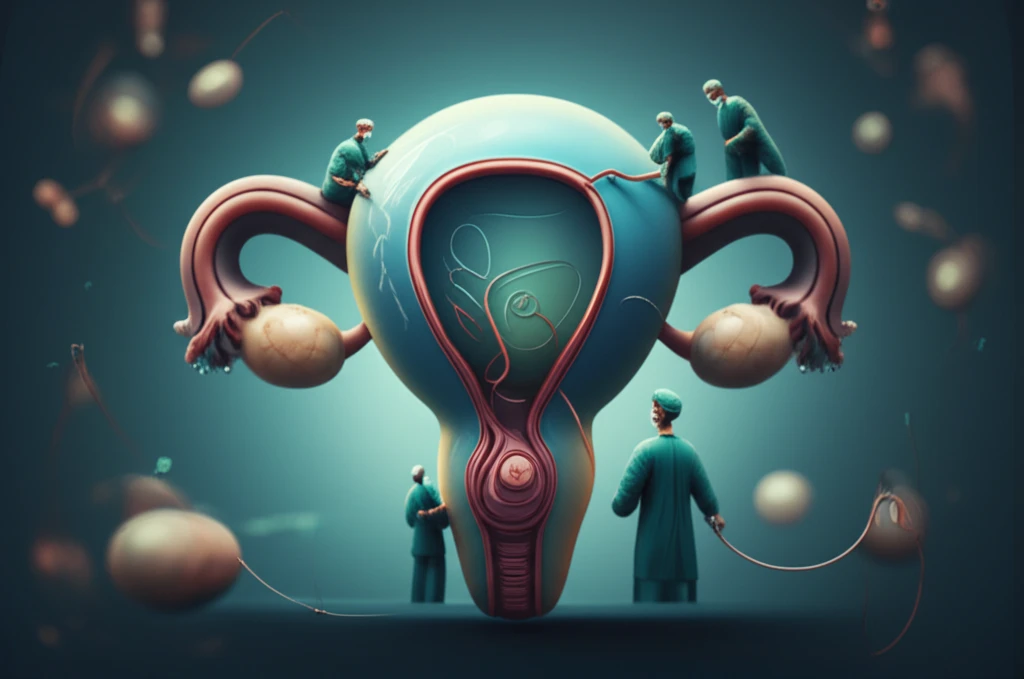
Navigating Postpartum Hemorrhage: A Comprehensive Guide to Surgical Management

"When medical interventions aren't enough: Understanding surgical options for managing postpartum hemorrhage to protect maternal health."
Childbirth is a beautiful, transformative experience, but it can also come with potential complications. One of the most serious is postpartum hemorrhage (PPH), defined as excessive bleeding after delivery. While medical management is usually the first line of defense, sometimes surgical intervention becomes necessary to stop the bleeding and protect the mother's life. This comprehensive guide will walk you through the surgical options available, helping you understand when they're needed and what they entail.
Preparation and awareness are key to managing PPH effectively. Identifying risk factors early, having a well-prepared medical team, and acting swiftly when PPH occurs can make all the difference. When prevention fails, prompt assessment, medication, and blood replacement are critical. But when these measures aren't enough, surgical options must be considered without delay.
Surgical management of PPH focuses on several key goals: controlling the bleeding, preserving fertility when possible, and ultimately, ensuring the mother's survival. This guide will explore various surgical techniques, from those that preserve the uterus to the definitive measure of hysterectomy.
Understanding the '4 Ts': The Root Causes of Postpartum Hemorrhage
To effectively manage PPH, it's essential to understand the underlying causes. The medical community often uses the '4 Ts' mnemonic to categorize these causes:
- Tone (Uterine Atony): This refers to the uterus's inability to contract effectively after childbirth. The most common cause of PPH, uterine atony, prevents the blood vessels in the uterus from clamping down, leading to excessive bleeding.
- Trauma (Lacerations): Tears in the birth canal, including the cervix, vagina, or perineum, can cause significant bleeding. These lacerations often occur during delivery, especially with instrumental deliveries.
- Tissue (Retained Placental Tissue): Sometimes, fragments of the placenta remain in the uterus after delivery. This retained tissue prevents the uterus from contracting properly, leading to ongoing bleeding.
- Thrombin (Coagulation Disorders): These are pre-existing or newly developed conditions that affect the blood's ability to clot. Examples include hemophilia or acquired clotting disorders.
A Final Word on Readiness and Response
While this guide provides an overview of surgical management for PPH, remember that every situation is unique. The best approach depends on the individual patient, the underlying cause of the bleeding, and the available resources. The key takeaway is that a prepared medical team, a clear understanding of the available options, and a willingness to act decisively can save lives when postpartum hemorrhage occurs.