
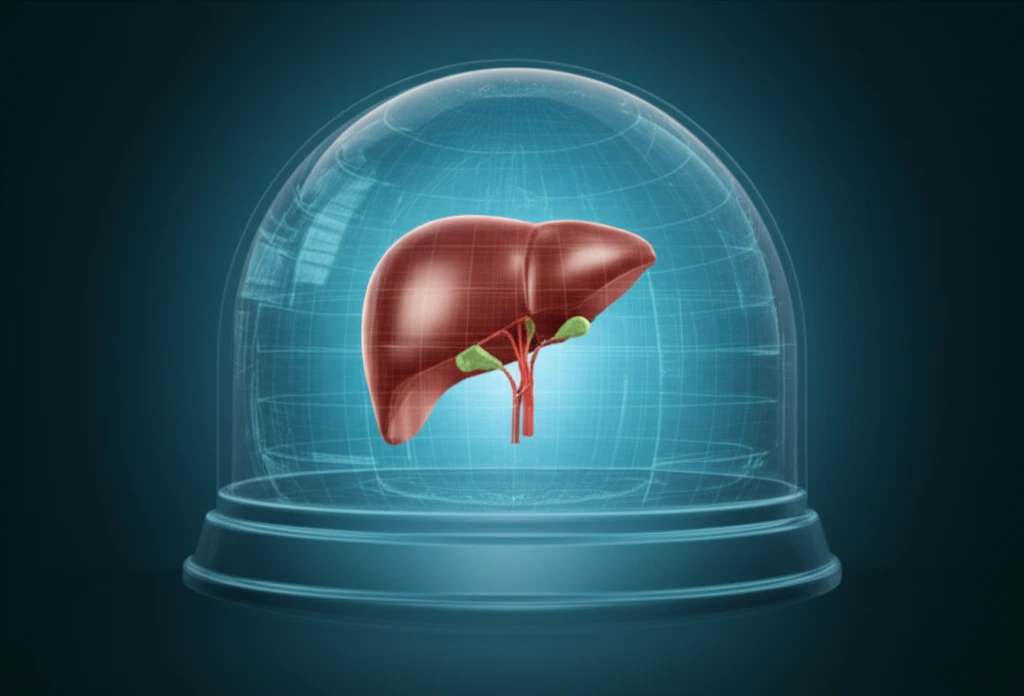
Navigating Non-Operative Management of Liver and Spleen Injuries: A Practical Guide

"Discover the latest strategies and radiological scoring systems for effectively managing blunt hepatic and splenic injuries without surgery."
Blunt abdominal trauma is a frequent occurrence in emergency departments, often resulting from sports activities and other accidents. Managing liver and spleen injuries, in particular, presents a complex challenge due to the potential involvement of other critical body areas such as the thorax, limbs, and head. This complexity necessitates a comprehensive and well-coordinated approach to treatment.
Traditionally, surgical intervention was the primary approach for these injuries. However, over the past decades, a significant shift has occurred towards non-operative management (NOM) for hemodynamically stable patients. NOM encompasses careful monitoring, radiological interventions like angiography, and other non-surgical techniques. This change is driven by observations during surgery that many minor liver and spleen injuries stop bleeding on their own, negating the need for invasive procedures.
This article will provide a detailed overview of NOM for blunt hepatic and splenic injuries, highlighting patient selection criteria, monitoring protocols, and the role of radiological scoring systems. It also addresses success rates, potential pitfalls, and the importance of post-discharge care, offering a practical guide for healthcare professionals managing these complex cases.
Understanding Non-Operative Management: A Shift in Strategy
Non-operative management (NOM) has emerged as the preferred approach for blunt liver and spleen injuries in patients who are hemodynamically stable. This strategy aims to reduce the risks associated with surgery, such as postoperative complications and prolonged recovery times. The success of NOM relies on several key factors:
- Absence of peritonitis (inflammation of the abdominal lining)
- Availability of experienced surgeons and interventional radiologists
- Access to modern imaging modalities (CT scans, MRI)
- Intensive care unit (ICU) support
Improving Outcomes Through Standardized Protocols
Managing blunt hepatic and splenic injuries requires a multifaceted approach, integrating clinical assessment, advanced imaging, and interventional techniques. While NOM has gained prominence, its success depends on careful patient selection, diligent monitoring, and readiness to adapt the treatment strategy when necessary. By developing and implementing standardized protocols, healthcare providers can optimize patient outcomes and minimize the need for unnecessary surgical interventions.