
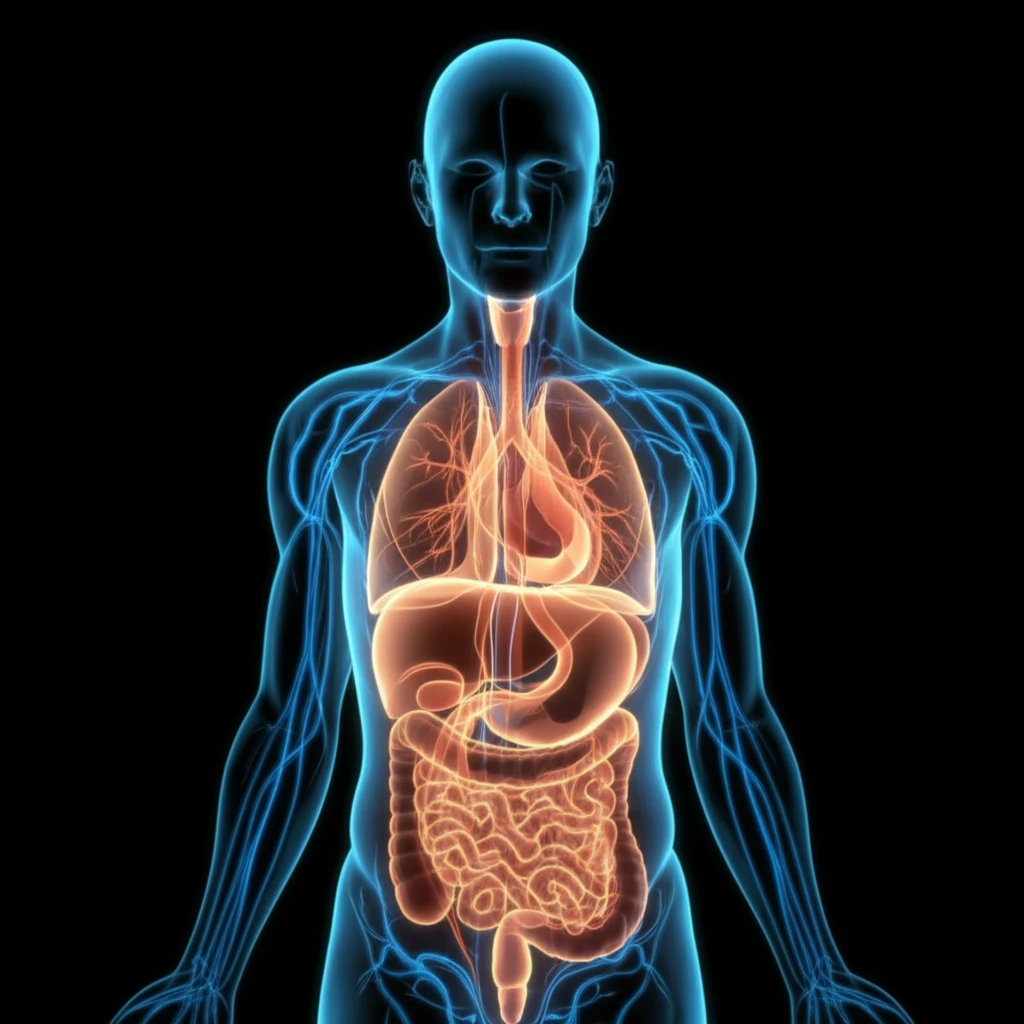
Interconnected respiratory and digestive systems with a glowing silhouette of an adult figure, representing the holistic care for adult cystic fibrosis.

Navigating Cystic Fibrosis as an Adult: A Comprehensive Guide to Acute Complications

"From respiratory distress to digestive dilemmas, learn how to manage acute health crises in adult cystic fibrosis patients for a better quality of life."


Cystic Fibrosis (CF) is a genetic disease primarily affecting the lungs and digestive system. It's caused by a defective gene that leads to a buildup of thick mucus in the body. This can lead to chronic respiratory infections, difficulty breathing, and problems with digestion. While often diagnosed in childhood, many individuals with CF are now living well into adulthood, thanks to advances in treatment and care.

However, adulthood brings its own set of challenges for people with CF. Acute complications—sudden and severe health issues—can arise, requiring prompt recognition and management. These complications can range from respiratory distress to digestive dilemmas, and may occur outside of specialized CF centers, making general medical knowledge crucial.

This guide focuses on providing comprehensive information about the acute complications adults with CF might face. We will explore key strategies for managing respiratory and non-respiratory emergencies, ensuring that patients and their caregivers are well-equipped to handle these challenges effectively.

Breathing Easy: Tackling Acute Respiratory Complications

Interconnected respiratory and digestive systems with a glowing silhouette of an adult figure, representing the holistic care for adult cystic fibrosis.

Respiratory issues remain the leading cause of health problems for individuals with CF. The buildup of thick mucus in the lungs creates an environment ripe for bacterial infections and chronic inflammation. Let's break down some of the most common acute respiratory complications:

Understanding these acute respiratory complications and their management is critical for maintaining lung function and overall quality of life.

  • Exacerbations: These are sudden flare-ups of respiratory symptoms, marked by increased coughing, mucus production, shortness of breath, and fatigue. They often result from bacterial infections. Treatment typically involves antibiotics (oral, inhaled, or intravenous), airway clearance techniques (like chest physiotherapy), and sometimes non-invasive ventilation.
  • Hemoptysis: This refers to coughing up blood. While it can be alarming, mild hemoptysis is relatively common in CF. However, significant bleeding requires immediate medical attention. Treatment options range from antibiotics to address underlying infections to bronchial artery embolization (BAE) to stop the bleeding.
  • Pneumothorax: This occurs when air leaks into the space between the lung and the chest wall, causing the lung to collapse. Symptoms include sudden chest pain and shortness of breath. Treatment may involve observation, needle aspiration, or chest tube insertion to remove the air.
  • Allergic Bronchopulmonary Aspergillosis (ABPA): This is an allergic reaction to the fungus Aspergillus fumigatus, which can colonize the airways of people with CF. Symptoms include wheezing, coughing, fever, and mucus plugs. Treatment typically involves corticosteroids and antifungal medications.
Early intervention and tailored treatment plans are essential for managing these complications effectively. Regular monitoring by a CF specialist can help identify and address potential problems before they escalate.

Empowering Adults with CF: Taking Charge of Your Health

Living with cystic fibrosis as an adult requires proactive management and a collaborative approach with your healthcare team. By understanding the potential acute complications and knowing how to respond, you can empower yourself to live a healthier, more fulfilling life. Stay informed, stay connected, and remember that you're not alone in this journey.

About this Article -

This article was crafted using a human-AI hybrid and collaborative approach. AI assisted our team with initial drafting, research insights, identifying key questions, and image generation. Our human editors guided topic selection, defined the angle, structured the content, ensured factual accuracy and relevance, refined the tone, and conducted thorough editing to deliver helpful, high-quality information.See our About page for more information.

This article is based on research published under:

DOI-LINK: 10.1016/j.pneumo.2018.09.004, Alternate LINK

Title: Complications Aiguës Respiratoires Et Non Respiratoires Chez L’Adulte Mucoviscidosique

Subject: Pulmonary and Respiratory Medicine

Journal: Revue de Pneumologie Clinique

Publisher: Elsevier BV

Authors: H. Lafoeste, L. Regard, C. Martin, G. Chassagnon, P.-R. Burgel

Published: 2018-10-01

Everything You Need To Know

1

What is Cystic Fibrosis, and why is it important to understand in the context of adult health?

Cystic Fibrosis (CF) is a genetic condition primarily affecting the lungs and digestive system. It arises from a defective gene, leading to the accumulation of thick mucus. This buildup can trigger chronic respiratory infections, breathing difficulties, and digestive issues. While often diagnosed in childhood, advancements in care now allow many individuals with CF to live well into adulthood. Understanding CF is critical for recognizing and managing potential acute complications that may arise.

2

Why are acute respiratory complications so common in people with Cystic Fibrosis?

Acute respiratory complications in Cystic Fibrosis are primarily due to the buildup of thick mucus in the lungs, creating an environment prone to bacterial infections and chronic inflammation. Common complications include exacerbations (sudden flare-ups of respiratory symptoms), hemoptysis (coughing up blood), pneumothorax (lung collapse due to air leakage), and Allergic Bronchopulmonary Aspergillosis (ABPA, an allergic reaction to a fungus). Managing these complications is crucial for maintaining lung function and overall quality of life.

3

What are exacerbations in Cystic Fibrosis, and how are they typically treated?

Exacerbations in Cystic Fibrosis are sudden flare-ups of respiratory symptoms, marked by increased coughing, mucus production, shortness of breath, and fatigue, often due to bacterial infections. Treatment typically involves antibiotics (oral, inhaled, or intravenous), airway clearance techniques (like chest physiotherapy), and sometimes non-invasive ventilation. Prompt treatment can prevent further lung damage and improve overall well-being. Regular monitoring is vital to catch these early.

4

What is hemoptysis in the context of Cystic Fibrosis, and when is it considered a medical emergency?

Hemoptysis, or coughing up blood, can be a concerning complication of Cystic Fibrosis. Mild hemoptysis is relatively common, but significant bleeding requires immediate medical attention. Treatment options range from antibiotics to address underlying infections to bronchial artery embolization (BAE) to stop the bleeding. Understanding the severity and seeking appropriate medical care is crucial. It's important to differentiate this from minor bleeding due to a cough.

5

What is Allergic Bronchopulmonary Aspergillosis (ABPA) in Cystic Fibrosis, and how is it managed?

Allergic Bronchopulmonary Aspergillosis (ABPA) is an allergic reaction to the fungus Aspergillus fumigatus, which can colonize the airways of people with Cystic Fibrosis. Symptoms include wheezing, coughing, fever, and mucus plugs. Treatment typically involves corticosteroids and antifungal medications. Early diagnosis and management are essential to prevent lung damage and improve quality of life. Monitoring for ABPA is a key part of comprehensive CF care.

Newsletter Subscribe

Subscribe to get the latest articles and insights directly in your inbox.