
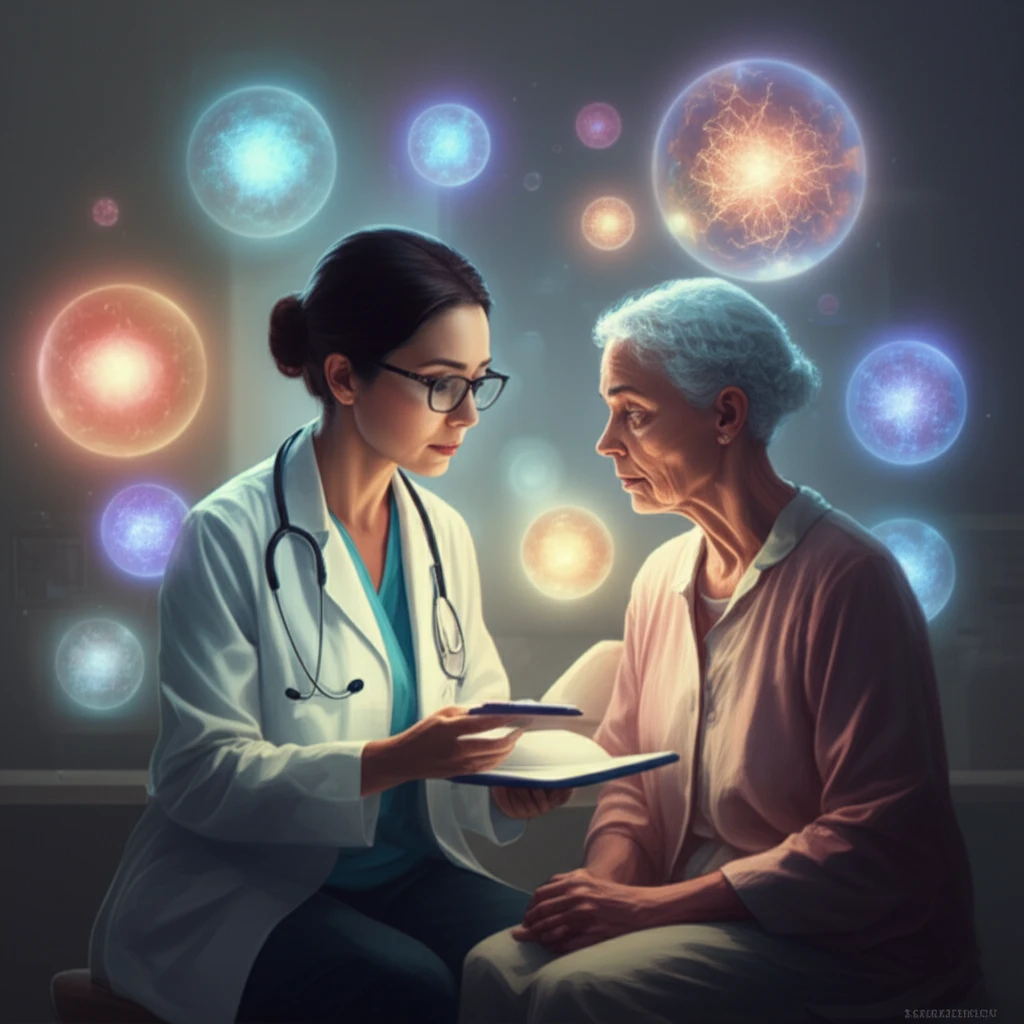
Doctor and patient discussing cancer treatment options.

Navigating Cancer Care: Answering Patient Questions About Unconventional Therapies

"Understanding complementary and alternative medicine (CAM) in oncology and how to guide patients towards safe, evidence-based choices."


In cancer care, many patients explore therapies outside of conventional medicine. Research indicates a significant number of cancer patients turn to unconventional therapies, with a considerable portion informing their healthcare providers. These therapies range from homeopathy to dietary supplements and massage.

This interest often stems from a patient's need to cope with the stress and uncertainty of a cancer diagnosis. However, the abundance of information, often of varying quality, can be overwhelming. Turning to unconventional therapies may interfere with cancer treatments, expose patients to unproven claims, or even lead to harmful practices.

This article addresses how healthcare professionals can navigate these discussions with patients. It emphasizes the importance of understanding the patient's perspective, assessing the potential benefits and risks of different therapies, and providing guidance based on available evidence.

Understanding Unconventional Therapies in Cancer Care

Doctor and patient discussing cancer treatment options.

Unconventional therapies encompass a wide range of practices often categorized under Complementary and Alternative Medicine (CAM). It's crucial to distinguish between:

Alternative therapies: These aim to directly combat the cancer itself. However, there's limited data to support their effectiveness, and relying solely on these therapies can be detrimental.

  • Complementary therapies: These are used alongside conventional medical treatments to help patients manage symptoms and improve their quality of life. The integration of both approaches is known as integrative medicine.
When patients inquire about unconventional therapies, healthcare providers need to understand the patient's goals, the specific therapies they're considering, and the potential risks and benefits involved.

Guiding Patients Towards Informed Choices

Unconventional therapies address a gap in cancer care, providing a sense of control and personalization that conventional medicine may sometimes lack. However, it's essential to approach these therapies with caution and a critical eye.

While alternative therapies haven't demonstrated direct anti-cancer benefits and can potentially harm patients relying on them exclusively, complementary therapies can offer valuable support when used alongside conventional treatment. Open communication and informed guidance are key to ensuring patient safety and well-being.

By understanding the nuances of unconventional therapies, healthcare professionals can empower patients to make informed decisions, navigate the complexities of cancer care, and access reliable resources for support and information.

About this Article -

This article was crafted using a human-AI hybrid and collaborative approach. AI assisted our team with initial drafting, research insights, identifying key questions, and image generation. Our human editors guided topic selection, defined the angle, structured the content, ensured factual accuracy and relevance, refined the tone, and conducted thorough editing to deliver helpful, high-quality information.See our About page for more information.

This article is based on research published under:

DOI-LINK: 10.1016/s1877-1203(18)30020-x, Alternate LINK

Title: Les Thérapies Non Conventionnelles Dans La Pratique De La Cancérologie : Quelles Réponses Apporter Aux Patients ?

Subject: Pulmonary and Respiratory Medicine

Journal: Revue des Maladies Respiratoires Actualités

Publisher: Elsevier BV

Authors: M.-A. Massiani

Published: 2018-10-01

Everything You Need To Know

1

What is the difference between complementary and alternative therapies in cancer care, and how does integrative medicine fit in?

Complementary therapies are utilized alongside standard medical treatments with the intention of alleviating symptoms and enhancing a cancer patient's overall well-being. This is distinct from alternative therapies, which are employed in place of conventional treatments and directly target the cancer. The combined use of complementary and conventional methods is referred to as integrative medicine, which aims to offer holistic support to patients.

2

When patients ask about unconventional therapies, what's the best way for healthcare providers to handle these discussions?

Navigating the domain of Complementary and Alternative Medicine, or CAM, involves understanding the patient's motivation for exploring these options. Healthcare providers should identify the specific therapies being considered, assess their potential benefits and risks based on available evidence, and discuss how these therapies might interact with ongoing conventional cancer treatments. The goal is to provide guidance that aligns with the patient's values while ensuring their safety and well-being.

3

Why are unconventional therapies becoming more popular among cancer patients, and what gap do they fill in cancer care?

The rise in popularity of unconventional therapies reflects a desire among patients to actively participate in their cancer care and find personalized approaches that address their emotional and psychological needs. Conventional medicine may not always fully address these aspects, leading patients to seek complementary therapies for a sense of control and empowerment. Open communication and informed guidance are essential to ensure these therapies are used safely and effectively.

4

What are the dangers of using alternative therapies instead of conventional cancer treatments?

Alternative therapies are often presented as direct substitutes for conventional cancer treatments, aiming to combat the disease itself. However, it's crucial to recognize that there is limited scientific evidence supporting the effectiveness of most alternative therapies. Relying solely on these unproven methods can be detrimental to a patient's health and well-being, potentially delaying or interfering with effective medical care. Patients should be educated about the risks associated with foregoing conventional treatment in favor of alternative approaches.

5

What are the potential risks of using unconventional therapies, and how can patients make sure they're making safe choices?

The potential risks of unconventional therapies encompass a wide range of concerns, including the use of unproven claims, interference with conventional cancer treatments, and exposure to harmful practices. It is imperative that healthcare providers equip patients with the knowledge and resources necessary to critically evaluate information and make informed choices. Reliable online resources and evidence-based recommendations can empower patients to distinguish between safe, beneficial therapies and those that may pose a threat to their health. Discussions about costs associated with unconventional therapies and opportunity costs are important.

Newsletter Subscribe

Subscribe to get the latest articles and insights directly in your inbox.