
Nature's Super Glue: Plant-Based Polymers Revolutionizing Adhesives

"Discover how scientists are creating high-performance, eco-friendly adhesives from plant-derived materials, offering a sustainable alternative to traditional superglues."
In an era increasingly focused on environmental responsibility, the quest for sustainable alternatives to conventional materials has intensified. Among the most promising developments are plant-derived ecoplastics, such as poly(lactic acid)s, which aim to replace petroleum-based plastics. However, these materials often fall short in terms of fracture strength and heat resistance, limiting their widespread application.
The limitations of traditional ecoplastics stem from the flexible backbones of their polymer chains. To combat this, researchers have explored incorporating aromatic components into the polymer structure, significantly improving mechanical and thermal performance. This approach has led to the development of wholly aromatic liquid crystalline polyarylates (LCPs) derived from cinnamoyl monomers like caffeic acid (DHCA) and p-coumaric acid (4HCA), boasting high heat resistance.
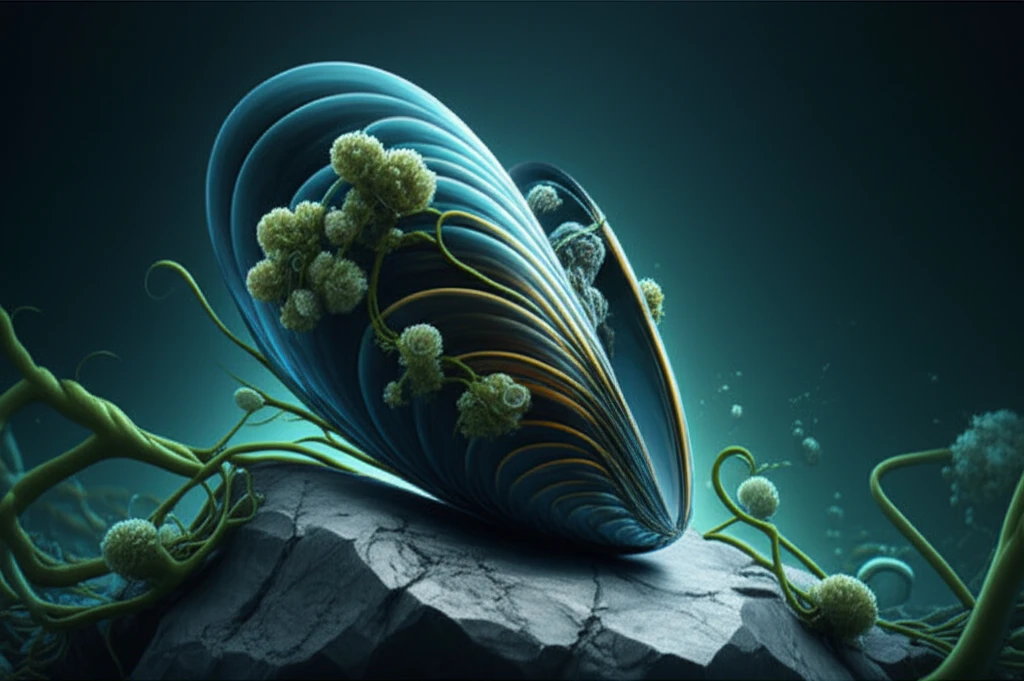
Adding to this innovation, these novel ecoplastics possess catechol groups at their chain ends, particularly abundant in the hyperbranched architecture of the copolymers. This unique feature holds immense potential for adhesive applications, drawing inspiration from the remarkable ability of mussels to adhere strongly to rocks using a catechol-containing amino acid known as "dopa."
Unlocking the Adhesive Power of Catechol: How Plant Polymers Mimic Mussel Strength
Inspired by nature's adhesive prowess, scientists have turned to bioavailable sources like DHCA and 4HCA to craft novel green adhesives. The magic lies in the catechol groups present at the ends of these polymer chains. These groups, reminiscent of the adhesive proteins found in mussels, facilitate strong interactions with metal surfaces, leading to exceptional adhesive properties.
- Strong Adhesion: The plant-derived copolymers exhibit adhesive characteristics comparable to conventional superglues.
- Catechol Interaction: The presence of catechol groups at the polymer ends is crucial for strong adhesion to metal surfaces.
- Cohesive Failure: Tests reveal that the adhesive typically fractures within its own body (cohesive failure), indicating a strong bond with the surfaces.
- Versatile Application: The adhesive properties are consistent across different metal surfaces, such as stainless steel and copper.
The Future of Adhesives: Sustainable, Strong, and Heat-Resistant
This research paves the way for a new generation of adhesives that are not only high-performing but also environmentally sustainable. By harnessing the power of plant-derived materials and mimicking nature’s ingenious designs, scientists are creating adhesives that reduce our reliance on petroleum-based products and offer a greener alternative for a wide range of applications. Further research into enhancing the bulk strength of these adhesives promises even greater adhesion forces, potentially surpassing the capabilities of current superglues. Given the growing demand for eco-conscious solutions, these plant-based adhesives are poised to revolutionize industries, offering a sustainable and effective way to bond materials while minimizing environmental impact.