
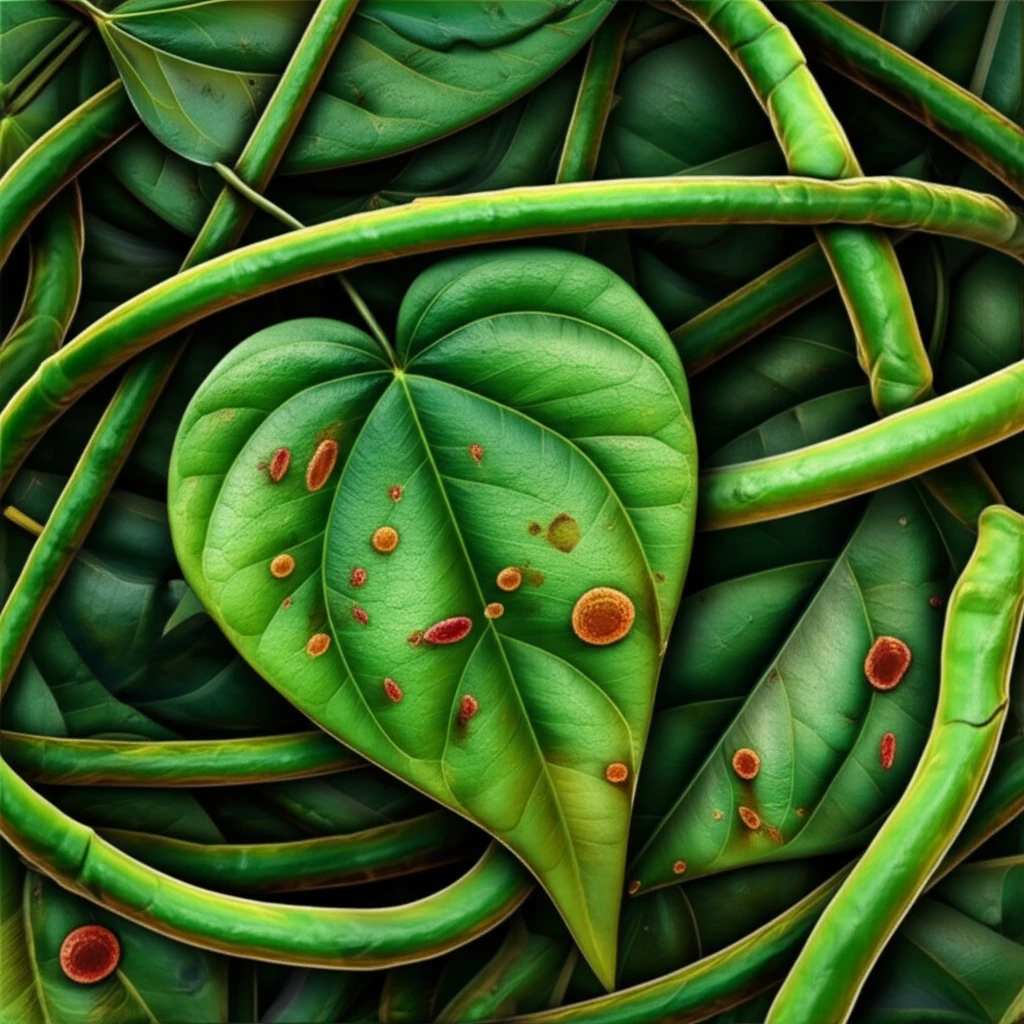
Nature's Pharmacy: Can Betel Leaf Conquer Candida?

"Unlocking the Anti-Fungal Potential of Traditional Remedies"
In a world increasingly concerned about the overuse of synthetic drugs and the rise of resistant microorganisms, the search for natural alternatives has intensified. Traditional medicinal plants are now at the forefront of this quest, offering a rich source of antimicrobial compounds with the potential to address various health challenges.
Candida infections, caused by yeasts like Candida albicans, are a common concern, affecting millions worldwide. While conventional antifungal medications exist, they often come with side effects and the risk of resistance. This has spurred researchers to explore natural remedies that can effectively combat Candida without these drawbacks.
One such remedy gaining attention is betel leaf (Piper betle), a plant widely used in traditional medicine for its various health benefits. Recent studies have begun to uncover the anti-candidal properties of betel leaf, suggesting its potential as a natural alternative in the fight against Candida infections. This article delves into the research surrounding betel leaf, examining its effectiveness, optimal usage, and how it compares to other natural and conventional treatments.
The Science Behind Betel Leaf's Anti-Candida Power
A recent study published in the African Journal of Microbiology Research investigated the anti-candidal activity of betel leaf (Piper betle), along with other plants like Vitex negundo and Jasminum grandiflorum. The researchers aimed to determine the effectiveness of these plants in combating Candida infections and identify the compounds responsible for their anti-fungal properties.
- Young vs. Mature Leaves: Young betel leaves exhibited significantly higher anti-candidal activity compared to mature leaves.
- Ethanolic Extracts: Ethanolic extracts of young leaves were more effective against all Candida species tested.
- MIC Values: The MICs of ethanolic extract of young leaves ranged from 0.64 to 3.2 mg/mL, indicating a potent anti-fungal effect.
- Regional Variation: No significant difference was observed in the activity of betel leaves collected from wet and dry zones.
Embracing Nature's Solutions
The research on betel leaf's anti-candidal properties offers a glimmer of hope in the ongoing battle against fungal infections. As we strive to reduce our reliance on synthetic drugs and combat the rise of resistance, exploring natural remedies like betel leaf becomes increasingly important. While further studies are needed to fully understand its mechanisms and optimal applications, betel leaf holds immense potential as a safe and effective alternative in the fight against Candida. As betel leaf is already used in masticatory mixtures, young leaves may serve as a promising, natural anti-candidal agent.