
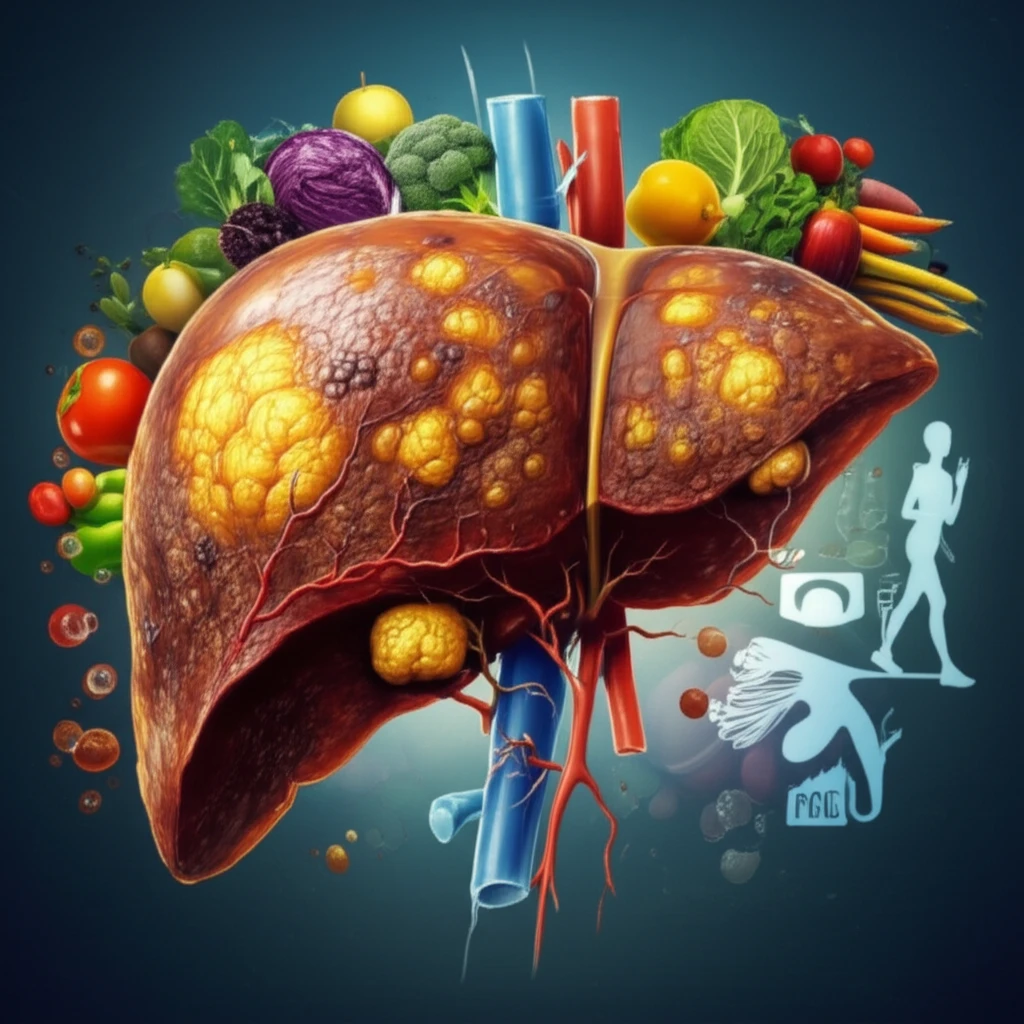
NAFLD and Liver Cancer: What You Need to Know About the Connection

"Understanding the Risks and Implications of Fatty Liver Disease and Liver Cancer"
Nonalcoholic fatty liver disease (NAFLD) is a growing health concern, affecting millions worldwide. It's a condition where excess fat accumulates in the liver, and while it often presents with no symptoms, it can lead to serious complications. One of the most concerning is the increased risk of liver cancer. Understanding the connection between NAFLD and liver cancer is essential for early detection and proactive health management.
This article dives into the relationship between NAFLD and liver cancer, exploring the latest research, risk factors, and what you can do to protect yourself. We'll break down the complexities in simple terms, providing actionable steps for those concerned about their liver health. Our goal is to empower you with knowledge, ensuring you can make informed decisions about your well-being.
The liver is a vital organ responsible for filtering toxins, producing bile, and metabolizing nutrients. When it becomes laden with fat due to NAFLD, its ability to function correctly is impaired. Over time, this can lead to inflammation, scarring (cirrhosis), and, in some cases, the development of liver cancer. Recognizing the warning signs and taking preventive measures can make a significant difference.
The Rising Prevalence of NAFLD and Its Impact on Liver Health
NAFLD is rapidly becoming one of the most common chronic liver diseases globally, paralleling the rise in obesity and metabolic disorders. It affects approximately 25% of the global population, with rates even higher in certain regions. This condition is characterized by the buildup of fat in the liver cells, a process called hepatic steatosis. While many individuals with NAFLD experience no noticeable symptoms, the disease can progress to more severe stages, including nonalcoholic steatohepatitis (NASH), fibrosis, and ultimately, liver cancer.
- Obesity and being overweight
- Type 2 diabetes and insulin resistance
- High cholesterol and triglycerides
- Metabolic syndrome
- Certain genetic predispositions
Taking Action: Protecting Your Liver Health
The link between NAFLD and liver cancer highlights the importance of proactive health management. Regular check-ups, especially if you have risk factors for NAFLD, are crucial for early detection. Lifestyle changes, such as adopting a healthy diet rich in fruits, vegetables, and whole grains, along with regular exercise, can significantly reduce your risk. Working with a healthcare professional can help you develop a personalized plan to manage NAFLD and reduce your risk of liver cancer.