
Mysteries of the Ovary: Unraveling the Rare Case of Intra-peritoneal Deposits

"From Surgery to Surprise: A Look into a Rare Complication and What it Means for Women's Health"
In the realm of women's health, the complexities of the female reproductive system often present intriguing medical cases. Among these, ovarian cysts are a common occurrence, but when they lead to unexpected complications, they offer a fascinating insight into the body's intricate workings. This article delves into a rare medical scenario: intra-peritoneal deposits resulting from a previously resected ovarian mature benign cystic teratoma, commonly known as a dermoid cyst. This exploration aims to shed light on the unusual progression of this condition, its diagnosis, and the surgical interventions required, emphasizing the importance of understanding such rare occurrences in medical practice.
Ovarian cysts, while typically benign, can sometimes lead to unforeseen complications. This case highlights a situation where surgical intervention, meant to resolve an ovarian cyst, inadvertently led to the seeding of cystic deposits within the peritoneal cavity. The term 'intra-peritoneal' refers to the space within the abdomen that houses the organs, and the presence of these deposits raises questions about the behavior of these cysts and the body's response to them. This article will investigate the diagnostic processes, surgical procedures, and the implications of such findings, providing an informative look into the less common aspects of women's health.
This article is designed to provide a clear, concise understanding of a complex medical situation. It will navigate through the symptoms, diagnostic methods, and surgical treatments involved in managing intra-peritoneal deposits from a mature benign cystic teratoma. The goal is to present this information in an accessible manner, offering insights for both medical professionals and individuals interested in learning more about women's health and the nuances of medical conditions. The focus is on simplifying complex medical concepts, making them understandable and relevant to a broader audience.
Unveiling the Intrigue: The Case of Intra-peritoneal Deposits
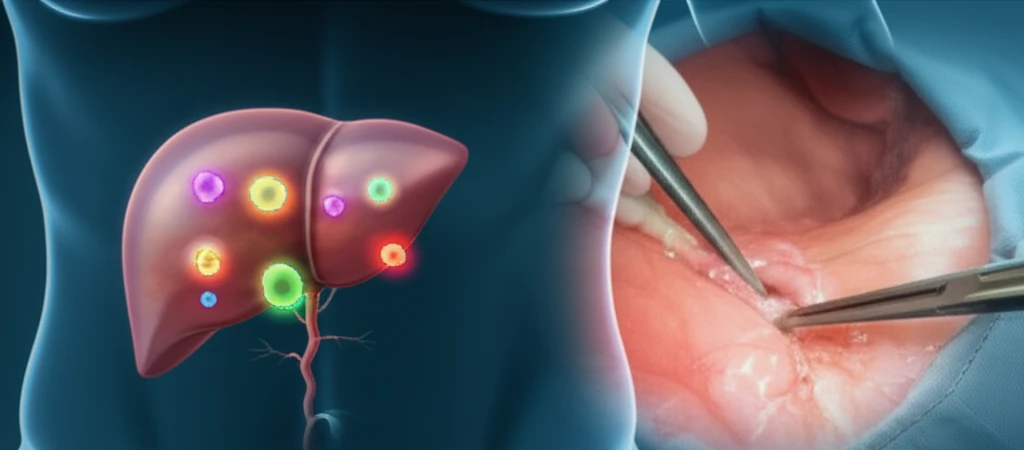
The medical case begins with a patient who presented with persistent upper abdominal pain, leading to a series of investigative steps. Initial findings from an ultrasound revealed three hypoechoic, septated masses in the right upper quadrant of the abdomen. Further investigation using a contrast-enhanced CT scan provided more detailed insights into the nature of these lesions. These scans revealed the presence of multiple mixed-density lesions along the liver surface, which contained fat, soft tissue, and calcification, suggesting a complex composition. The medical team carefully reviewed the patient's previous imaging history, including a CT scan from five years prior, which showed no such lesions but indicated the presence of a 10 cm ovarian mature cystic teratoma. This historical context was crucial in piecing together the puzzle.
- Initial Ultrasound Findings: Revealed multiple masses in the right upper quadrant.
- CT Scan Insights: Showed mixed-density lesions with fat, soft tissue, and calcification.
- Historical Context: Review of previous scans pointed to a history of an ovarian mature cystic teratoma.
- MR Liver Scan: Highlighted fat-containing lesions along the liver surface.
- Diagnostic Conclusions: Led to the possibility of intra-peritoneal deposits related to the ovarian teratoma.
Key Takeaways and Further Insights
This case underscores the significance of comprehensive medical evaluation, particularly in cases where a patient presents with unusual symptoms and a history of previous procedures. Understanding the potential for complications, like intra-peritoneal deposits, requires a collaborative approach involving multiple diagnostic methods and a keen understanding of the patient's medical history. This case provides essential insights into recognizing and managing a rare complication, thereby contributing to improved patient care and a deeper understanding of women's health. Continued research and documentation of such cases are vital to enhancing our medical knowledge and providing the best possible outcomes for patients.