
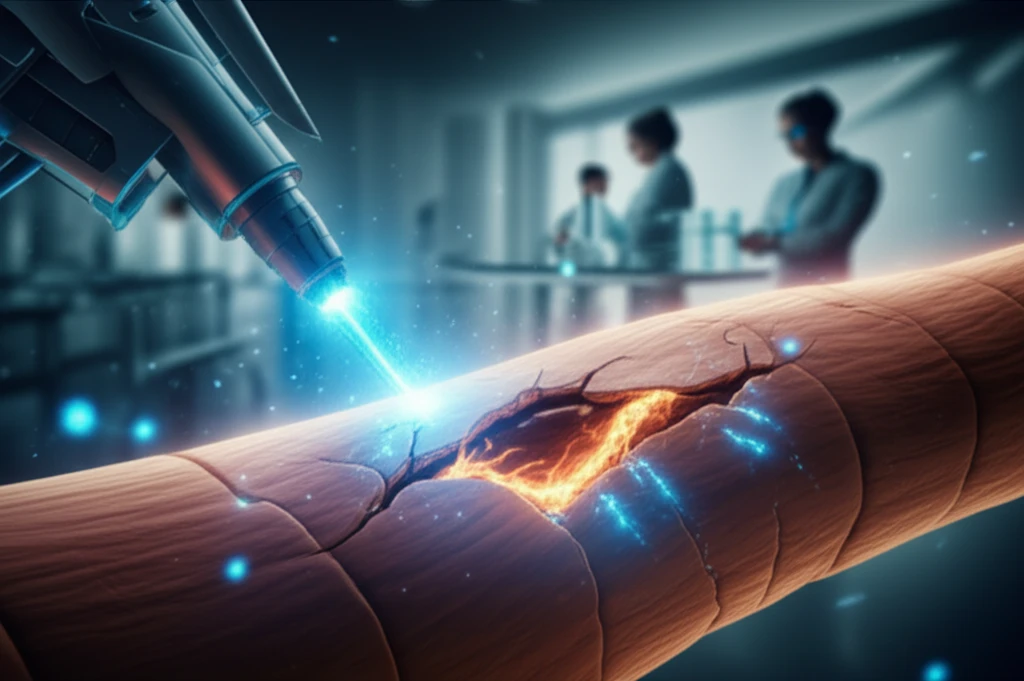
Muscle Matters: Can HIF-1α Inhibitors Revolutionize How We Treat Muscle Injuries?

"New research explores how targeting a specific protein could change the game for muscle health and recovery."
In the realm of health and wellness, the quest for innovative treatments to accelerate recovery and improve quality of life is ongoing. Among the most promising frontiers of medical research lies the study of muscle injuries and the intricate biological processes involved in muscle repair and regeneration. Recent findings have illuminated the potential of HIF-1α inhibitors, offering a new perspective on treating muscle injuries and fibrosis. This groundbreaking research could revolutionize how we approach muscle-related health issues.
The core issue addressed in the research centers around immobilization-induced muscle fibrosis, a condition that can significantly impair muscle function and mobility. This research delves into how targeting the hypoxia-inducible factor-1α (HIF-1α) might pave the way for new treatments. HIF-1α is a protein that plays a crucial role in the body's response to low oxygen levels and is often associated with conditions such as fibrosis, where excessive scar tissue forms within the muscle. This study has opened the doors to a new era of muscle health.
This article aims to unpack the core concepts of the study, translate complex scientific language into easy-to-understand terms, and discuss the potential implications of HIF-1α inhibitors. It will discuss the fundamental concepts, research methodology, and key findings while exploring the broader implications of the study within the context of health and wellness. By the end, you'll be better informed about how science is reshaping muscle health, which could have a transformative effect on a wide range of health-related topics.
Unpacking the Science: How HIF-1α Inhibitors Work and What the Research Reveals
The focal point of this study is HIF-1α, a protein that regulates how the body responds to low oxygen environments. HIF-1α is associated with an excess of scar tissue in muscles, as well as in other parts of the body. The research zeroes in on preventing the negative impact that HIF-1α has on muscle fibrosis. By inhibiting HIF-1α, researchers hope to mitigate the development of fibrotic conditions in the muscle tissue, which could lead to enhanced recovery.
- Experimental Setup: The study included a control group and an experimental group.
- HIF-1α Inhibitor: A specific inhibitor was administered to a part of the experimental group.
- Monitoring Parameters: Over a period of several weeks, scientists monitored the flexibility of the muscle through range-of-motion measurements. The researchers also gauged the quantity of collagen (a main component of fibrosis) and HIF-1α protein present in the tissue.
The Future of Muscle Health: What’s Next?
The research on HIF-1α inhibitors offers a glimpse into the future of muscle health and treatment. While the study primarily involved animal models, the findings represent a significant advance in the health space. The next steps involve replicating these findings in human trials. If the positive outcomes are confirmed in human studies, it can mean that an effective method for treating and preventing muscle fibrosis is coming to reality. This could provide new paths to treat and prevent muscle-related conditions in a way that goes beyond current treatment standards.