
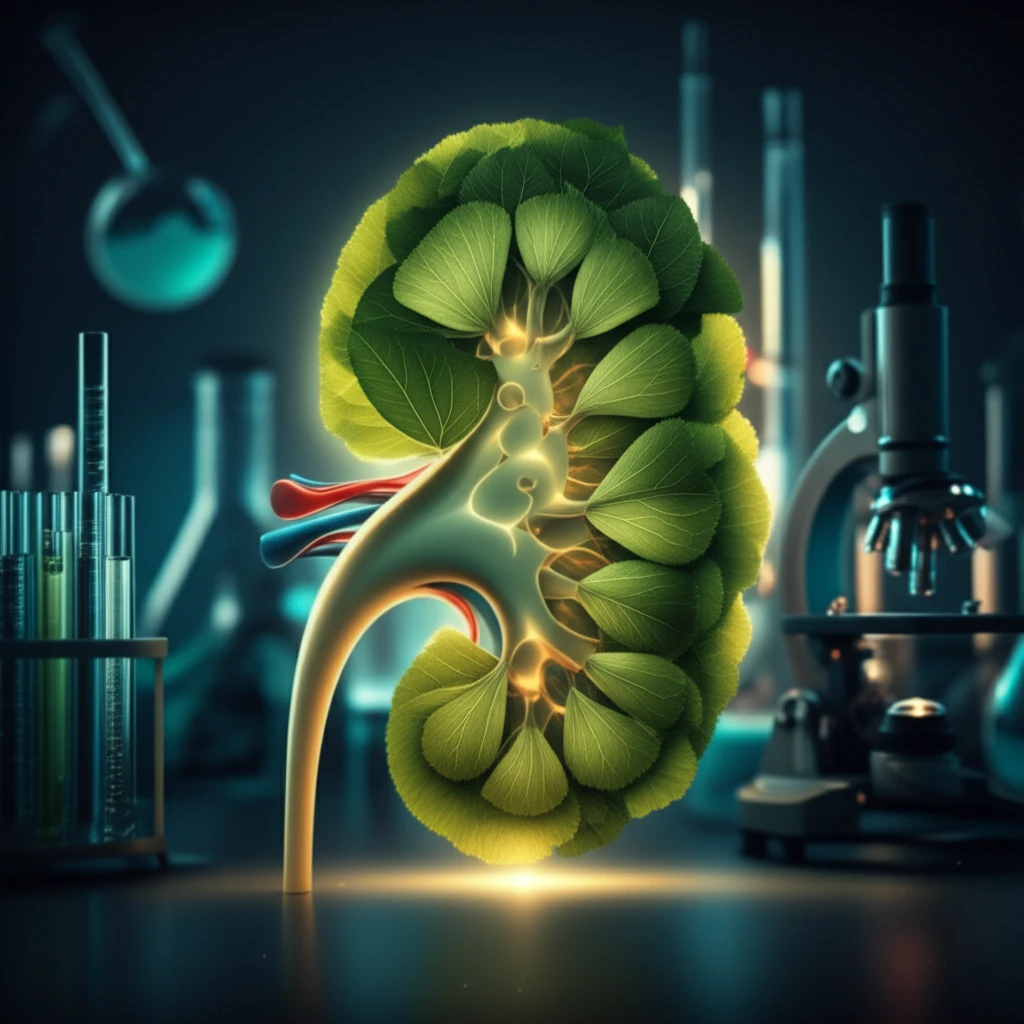
Mulberry Leaf Magic: A Natural Way to Fight Kidney Damage?

"Could the humble mulberry leaf hold the key to preventing diabetic nephropathy and supporting kidney health? New research suggests its polysaccharides offer a promising solution."
Diabetes mellitus (DM) is a major health concern worldwide, often leading to serious complications like diabetic nephropathy (DN), a type of kidney disease. DN is characterized by progressive kidney damage and is a leading cause of end-stage renal failure. Finding ways to prevent or treat DN is crucial, and new research is exploring natural solutions.
Mulberry (Morus alba L.) leaves, known for their low toxicity and therapeutic benefits, have been used in traditional medicine and as a food source. They're rich in polysaccharides, compounds known for their health-promoting properties, including antioxidant and anti-inflammatory effects. This has sparked interest in whether mulberry leaf polysaccharides (MLPs) could help protect against DN.
This article delves into a recent study that investigated the effects of a specific mulberry leaf polysaccharide (MLP-1) on renal fibrosis in rats with induced diabetic nephropathy. The research explores how MLP-1, extracted using an innovative enzymatic method, influences key markers of kidney health, offering insights into a potential natural treatment for DN.
MLP-1: A Sweet Solution for Kidney Protection?
The study focused on a particular polysaccharide, MLP-1, extracted from mulberry leaves using thermostable α-amylase. This method ensures efficient extraction of the beneficial compounds. The extracted MLP-1 was then administered to rats with streptozotocin (STZ)-induced diabetic nephropathy to observe its effects on their kidney health.
- Serum Insulin and Fasting Blood Glucose: These measure blood sugar control, a critical factor in diabetes management.
- 24-hour Urinary Albumin and Urine Protein: Elevated levels indicate kidney damage and impaired filtration.
- Connective Tissue Growth Factor (CTGF): This protein plays a significant role in the development of renal fibrosis.
The Promising Future of Mulberry Leaf Polysaccharides
This study provides compelling evidence that MLP-1, a polysaccharide extracted from mulberry leaves, can positively impact kidney health in diabetic conditions. By reducing key markers of renal fibrosis, MLP-1 shows promise as a natural agent for managing and potentially treating diabetic nephropathy.
While these findings are encouraging, further research is needed to fully understand the mechanisms of action and to determine the optimal dosage and long-term effects of MLP-1. Clinical trials in humans are necessary to confirm its efficacy and safety.
The discovery of MLP-1's beneficial effects opens new avenues for exploring natural compounds in the fight against kidney disease. As we continue to seek innovative solutions for managing diabetes and its complications, mulberry leaf polysaccharides may play an increasingly important role in promoting kidney health and overall well-being.