
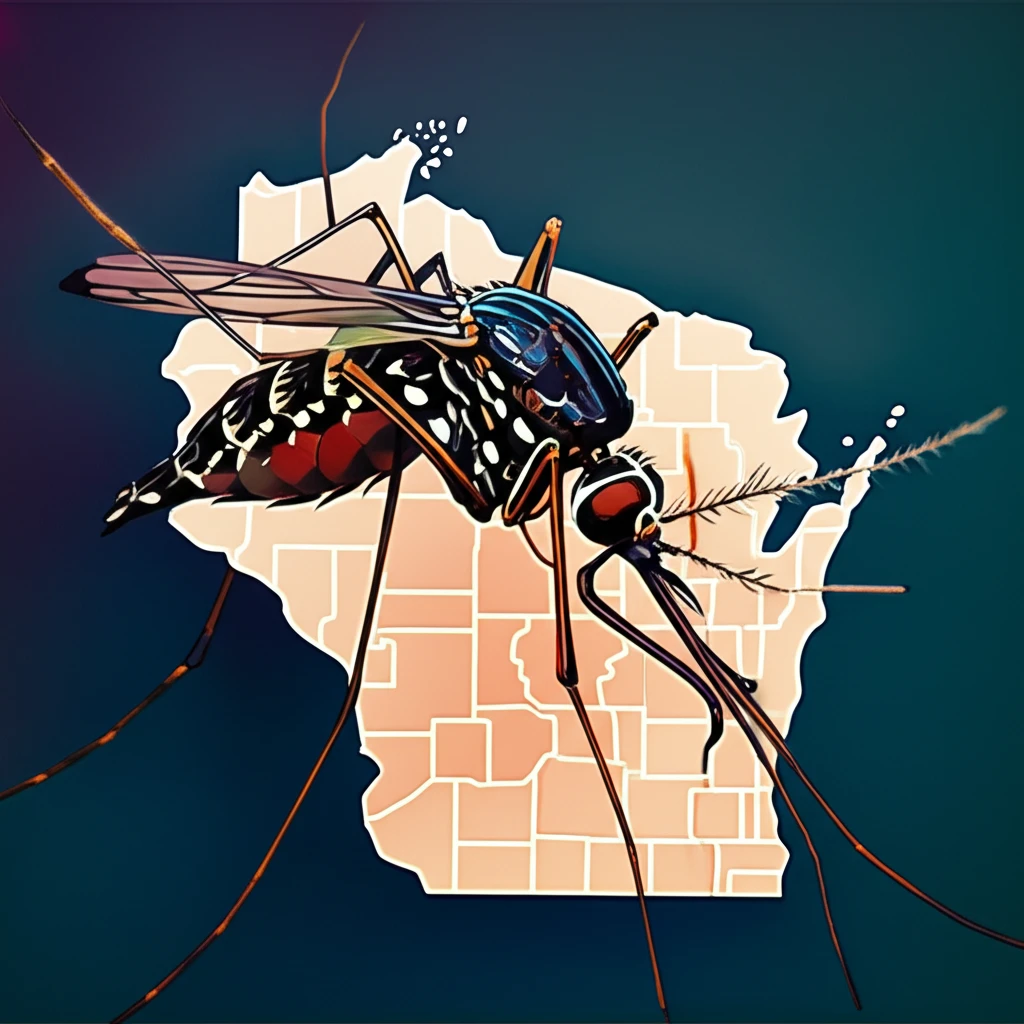
Mosquito Alert: The Asian Tiger Mosquito Has Arrived in Wisconsin – What You Need to Know

"The invasive Aedes albopictus has been detected in Wisconsin, raising concerns about potential disease transmission. Learn about the risks, prevention, and what this means for public health."
The emergence and spread of mosquito-borne diseases are a growing concern across the globe. The 2015-2016 Zika virus epidemic in the Americas put many regions on high alert, prompting increased surveillance and preventative measures. Among the mosquitoes of greatest concern is Aedes albopictus, commonly known as the Asian tiger mosquito, due to its ability to transmit diseases and adapt to various environments.
Until recently, Wisconsin was not considered a primary habitat for Aedes albopictus. However, a recent study conducted by the University of Wisconsin Medical Entomology Laboratory in collaboration with the Wisconsin Department of Health Services has confirmed the presence of this mosquito in the state. This discovery marks a significant shift in the region's public health landscape and necessitates greater awareness and proactive strategies.
This article breaks down the key findings of the study and explores the implications of Aedes albopictus in Wisconsin. We'll cover identification, risks, prevention, and what you can do to protect yourself and your community.
What Makes Aedes Albopictus a Concern?
Aedes albopictus is not just another mosquito. Originally from Southeast Asia, this species has rapidly spread across the world, largely due to international trade and transportation. They're highly adaptable and can thrive in urban, suburban, and rural environments, making containment a challenge.
- Disease Transmission: Aedes albopictus is a known vector for several viruses, including Zika, dengue fever, and chikungunya. While these diseases are not currently widespread in Wisconsin, the presence of a competent vector increases the risk of potential outbreaks.
- Aggressive Biting Behavior: Unlike some mosquitoes that primarily feed at dawn or dusk, Aedes albopictus is a daytime biter, increasing the likelihood of human contact. Their bites can be painful and irritating, impacting outdoor activities and quality of life.
- Adaptability: These mosquitoes lay their eggs in small containers of water, such as discarded tires, flower pots, and even bottle caps. This adaptability allows them to thrive in close proximity to human populations and makes control efforts more difficult.
Protecting Wisconsin from the Asian Tiger Mosquito
The arrival of Aedes albopictus in Wisconsin is a call to action. By understanding the risks and implementing effective prevention strategies, we can work together to minimize the impact of this invasive species and protect public health. Stay informed, take precautions, and participate in community efforts to keep Wisconsin mosquito-safe.