
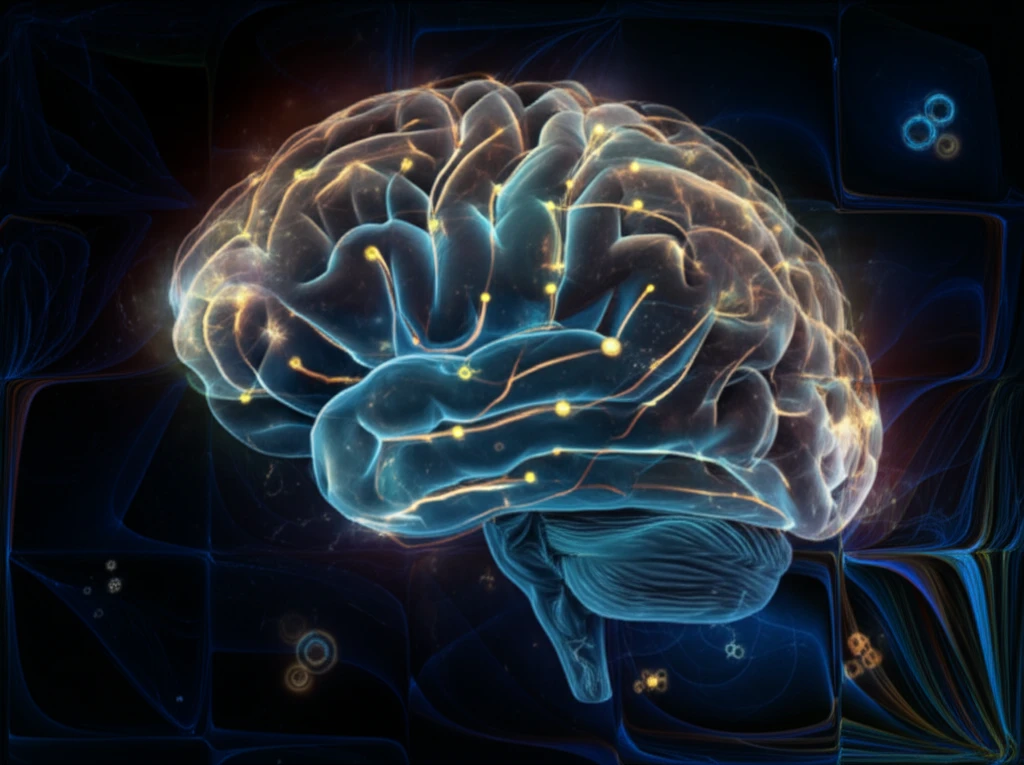
Morphine Tolerance: Is There a Way Out? How Research Reveals New Pathways to Pain Relief

"Scientists uncover how disrupting specific brain signals could prevent morphine from losing its effectiveness, offering hope for chronic pain sufferers."
Morphine has long been a cornerstone in the management of severe pain. However, its effectiveness often diminishes with continued use, leading to a frustrating condition known as morphine tolerance. This means patients require increasingly higher doses to achieve the same level of pain relief, which can lead to a host of unwanted side effects and ultimately reduce the drug's long-term viability.
For years, researchers have been dedicated to unraveling the complex mechanisms behind opioid tolerance, seeking ways to preserve the analgesic power of morphine without the shadow of tolerance looming. Recent studies have begun to focus on the intricate interplay between different receptors in the central nervous system, particularly the metabotropic glutamate receptor 5 (mGluR5) and the N-methyl-D-aspartate (NMDA) receptor.
A groundbreaking study has shed light on how these receptors interact and influence morphine tolerance. By understanding these interactions, scientists hope to develop targeted strategies to prevent or reverse tolerance, offering new hope for individuals grappling with persistent pain.
Unlocking the Role of mGluR5 and NMDA Receptors: What Does This Mean for Pain Management?
The recent study delved into the relationship between mGluR5 and NMDA receptors, examining how disrupting this connection affects the development of morphine tolerance. Researchers used genetically modified mice, including mGluR5 knockout mice and Shank3 AC mutant mice, to investigate these interactions. Morphine tolerance was induced by administering repeated doses of morphine, and the researchers then assessed the changes in pain sensitivity and receptor expression in the cortex.
- mGluR5's Critical Role: The study indicates that mGluR5-mediated PKC signaling, rather than the physical connection between mGluR5 and NMDAR, is crucial in morphine-induced antinociceptive tolerance.
- PKC Signaling: Activation of protein kinase C (PKC) appears to be a key step. This activation leads to phosphorylation of NR2B, which is thought to increase NMDA receptor-dependent excitability.
- Receptor Dynamics: The study also found that chronic morphine treatment upregulates mGluR5 and NR2A expression but doesn't affect NR1 and NR2B levels in the cortex.
The Future of Pain Relief: What's Next?
This research opens exciting new avenues for developing strategies to combat morphine tolerance. By focusing on the mGluR5-PKC-NMDAR pathway, scientists can explore targeted therapies that preserve the benefits of morphine while minimizing the risk of tolerance and hyperalgesia. As research progresses, there is increasing hope for more effective and sustainable pain management solutions that can significantly improve the quality of life for millions of people suffering from chronic pain.