
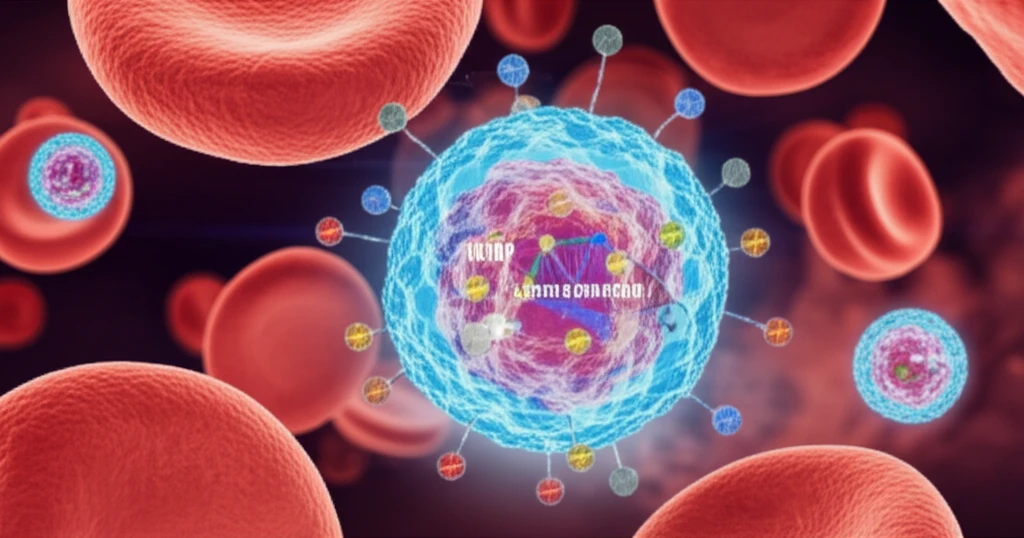
MMP-9 and BRAF Inhibitors: How a Protein Could Revolutionize Melanoma Treatment

"Discovering how a specific protein marker is changing the fight against melanoma and improving patient outcomes."
Melanoma, the deadliest form of skin cancer, has seen significant advancements in treatment over the past decade. Targeted therapies, like BRAF inhibitors, have shown promise in extending the lives of patients. However, not all patients respond to these treatments, and the search for reliable indicators of treatment success has intensified.
Recent research has shed light on a specific protein, MMP-9, and its potential as a biomarker. This article explores the latest findings, offering insights into how MMP-9 levels, along with the presence of a particular gene mutation, are shaping the future of melanoma treatment.
This innovative approach could lead to more personalized and effective strategies, offering new hope for those battling this challenging disease.
Unlocking the Secrets of MMP-9: A New Era in Melanoma Treatment
The study focuses on Matrix Metalloproteinase-9 (MMP-9), a protein known for its role in the spread of cancer. Researchers have been exploring whether MMP-9 can serve as a reliable indicator of how melanoma patients respond to BRAF inhibitors. By measuring MMP-9 levels in patients' blood and analyzing the presence of BRAFV600E mutation, they aimed to find a way to predict treatment outcomes.
- Improved Prognosis: Patients with lower MMP-9 levels and without the BRAFV600E mutation generally experience better outcomes.
- Personalized Treatment: Understanding MMP-9 levels helps tailor treatments, potentially avoiding ineffective therapies and improving outcomes.
- Predicting Response: Monitoring MMP-9 levels during treatment can indicate how well the patient is responding.
The Future of Melanoma Treatment: A Brighter Outlook
The research findings emphasize the importance of MMP-9 in tailoring treatment approaches and improving patient outcomes. While this research is ongoing, the potential of MMP-9 as a key biomarker in melanoma treatment is promising, offering a glimmer of hope for patients and clinicians alike.