
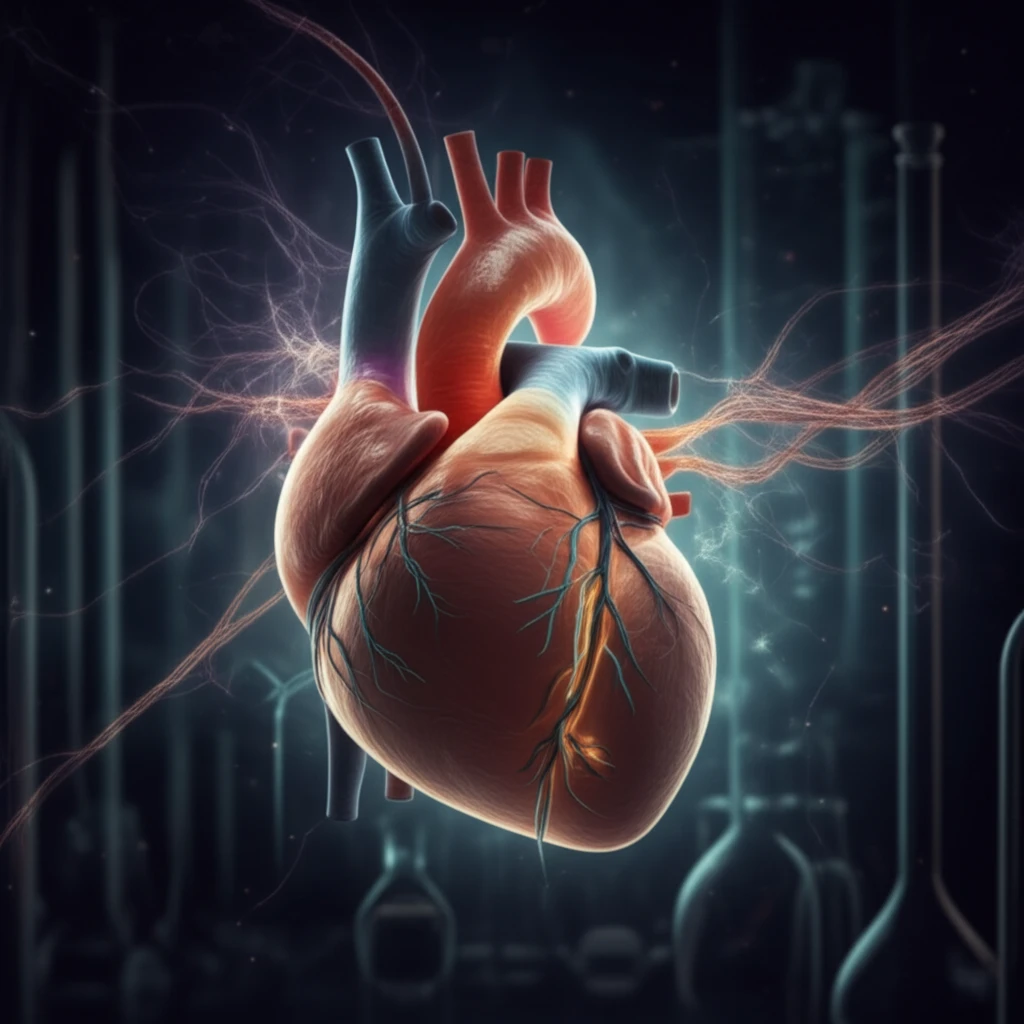
Mindin's Role in Heart Health: What You Need to Know

"Discover how a tiny protein called mindin affects cardiac hypertrophy and fibrosis, and what this means for future treatments."
Heart disease remains a leading cause of mortality worldwide, driving continuous research into the underlying mechanisms and potential therapeutic targets. Among the many factors influencing cardiac health, a protein called mindin has emerged as a significant player. Recent studies have begun to unravel mindin's role in cardiac hypertrophy (the enlargement of the heart) and fibrosis (the thickening or scarring of heart tissue), conditions that often lead to heart failure.
Initially identified for its involvement in immune responses and tissue repair, mindin is now recognized for its complex interactions within the cardiovascular system. Understanding these interactions is crucial for developing effective strategies to prevent and treat heart disease. This article delves into the latest findings regarding mindin's impact on cardiac health, offering insights into how its disruption can exacerbate heart conditions.
We will explore the implications of mindin's role in cardiac hypertrophy and fibrosis, translating complex research into accessible information for those seeking to understand and maintain their heart health. Whether you're a healthcare professional, a patient, or simply interested in the science of well-being, this article aims to provide a comprehensive overview of mindin's significance in the landscape of cardiac research.
What is Mindin and Why Does It Matter for Your Heart?
Mindin, also known as spondin-2, is a protein that plays a crucial role in various biological processes, including immune response, tissue repair, and now, increasingly, cardiovascular function. It is secreted by cells and interacts with the extracellular matrix, influencing cellular behavior and tissue structure. In the context of heart health, mindin's presence and proper function are essential for maintaining the structural integrity and functional efficiency of the cardiac tissue.
- Structural Support: Mindin helps maintain the structural integrity of the heart tissue.
- Cellular Communication: It facilitates communication between cells and the extracellular matrix.
- Inflammation Modulation: Mindin plays a role in modulating inflammation within the heart.
- Fibrosis Regulation: It helps regulate the balance of tissue repair and scar formation.
Future Directions: Targeting Mindin for Heart Disease Treatment
The insights gained from studying mindin's role in cardiac health open new avenues for therapeutic interventions. Researchers are now exploring strategies to modulate mindin's activity to prevent or reverse cardiac hypertrophy and fibrosis. These strategies may include developing drugs that enhance mindin's function, gene therapies that increase mindin expression, or interventions that target the molecular pathways through which mindin exerts its effects. Clinical trials will be essential to validate these approaches and determine their safety and efficacy in humans. By focusing on mindin, scientists hope to develop more effective and targeted treatments for heart disease, ultimately improving patient outcomes and quality of life.