
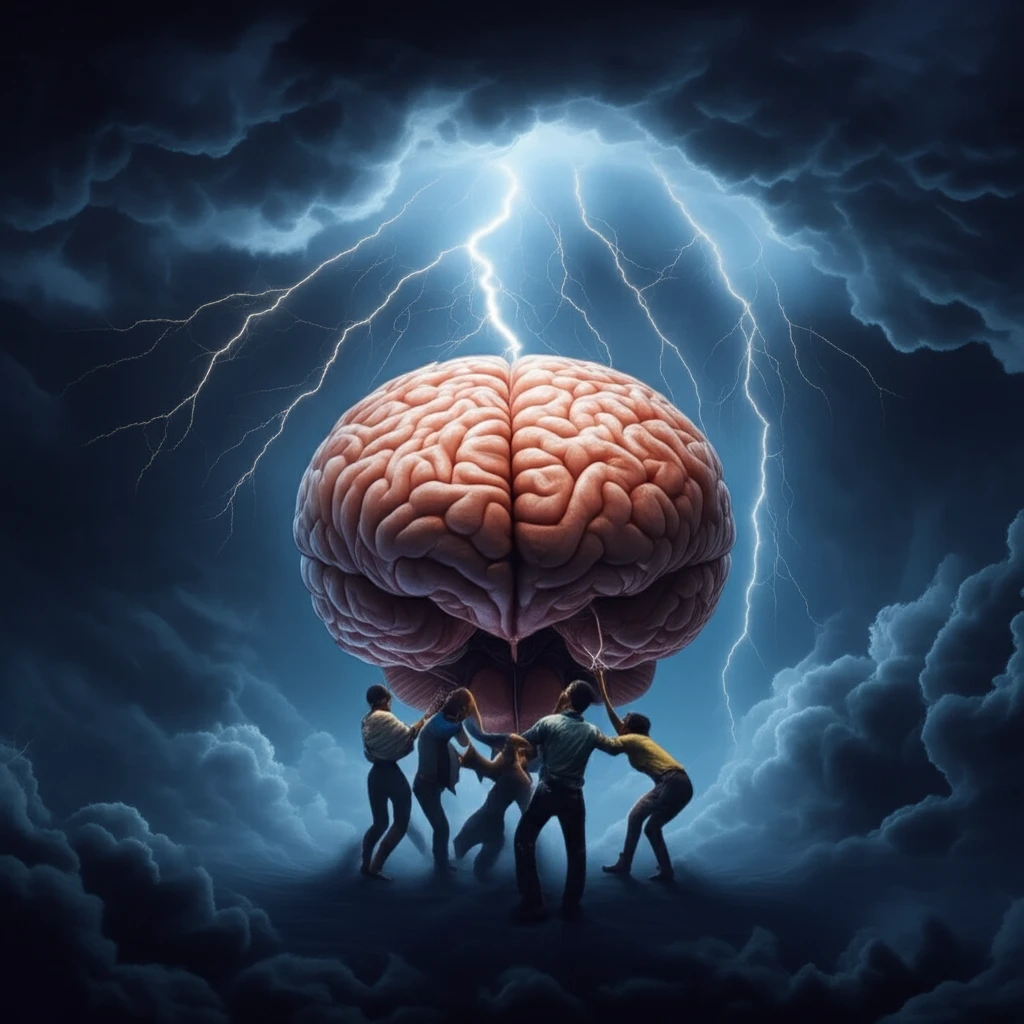
Mind Under Siege: Unveiling the Link Between Neurological Disorders and Suicidal Thoughts

"Explore the surprising connection between brain illnesses like epilepsy, multiple sclerosis, and ALS, and their impact on mental well-being."
It's widely known that mental health conditions and life stressors significantly increase the risk of suicide. However, less discussed is the impact of neurological illnesses on suicidal ideation and attempts. This connection is vital, as individuals battling brain disorders face unique challenges that can profoundly affect their mental well-being.
Neurological conditions like epilepsy, multiple sclerosis (MS), and amyotrophic lateral sclerosis (ALS) can disrupt brain function, leading to a range of physical and emotional difficulties. These challenges, combined with the psychological burden of living with a chronic illness, can increase the risk of suicidal thoughts and behaviors.
This article explores the complex relationship between neurological illnesses and suicidality. By examining recent research, we'll uncover the specific connections between these conditions and mental health, and discuss strategies for improving support and prevention efforts.
Why Neurological Disorders Can Increase Suicide Risk
Suicidal thoughts and behaviors exist on a continuum, starting with ideation and potentially progressing to plans and attempts. It's important to understand that non-fatal suicide attempts are far more common than completed suicides, with many more people being treated in ambulatory settings or not at all. Any form of self-harm, suicidal or non-suicidal, is a major warning sign.
- The Psychological Impact of Chronic Illness: Dealing with a long-term neurological condition can lead to feelings of hopelessness, isolation, and decreased quality of life.
- Changes in Brain Function: Neurological disorders can directly affect brain regions responsible for mood regulation, impulse control, and decision-making.
- Medication Side Effects: Some medications used to manage neurological conditions can have side effects that contribute to depression and suicidal thoughts.
- Social and Economic Challenges: Neurological conditions can impact a person's ability to work, maintain relationships, and participate in social activities, leading to financial strain and social isolation.
Promoting Mental Well-being for People with Neurological Conditions
Increased awareness of the link between neurological disorders and suicide is critical. Healthcare providers, family members, and individuals themselves should be vigilant in recognizing the signs of depression and suicidal ideation.
Several strategies can help mitigate the risk of suicide in this population:
<ul><li><b>Regular Mental Health Screening:</b> People with neurological conditions should be routinely screened for depression and anxiety.</li><li><b>Integrated Care:</b> Mental health services should be integrated into the overall care plan for neurological disorders.</li><li><b>Social Support:</b> Encourage participation in support groups and activities to combat isolation and loneliness.</li><li><b>Therapeutic Interventions:</b> Cognitive-behavioral therapy (CBT) and other therapies can help individuals develop coping mechanisms and manage negative thoughts.</li><li><b>Responsible Medication Management:</b> Carefully monitor medications for potential mood-related side effects.</li><li><b>Crisis Resources:</b> Ensure access to suicide prevention hotlines and crisis services.</li></ul>