
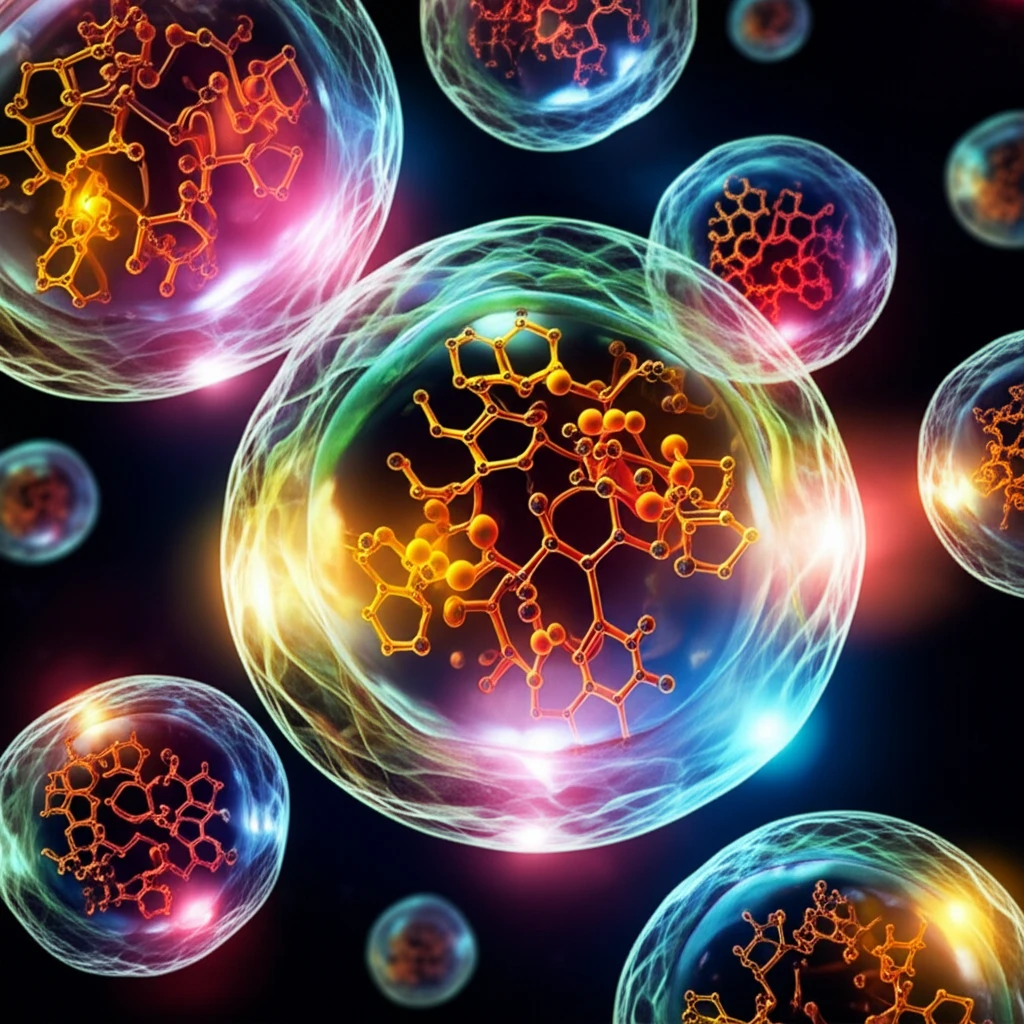
Microscopic view of microalgae cells with active compounds

Microalgae: The Tiny Titans Revolutionizing Cancer Therapy

"From the Ocean's Depths to the Fight Against Cancer: Exploring the Powerful Potential of Microalgae"


Cancer, a formidable adversary, continues to impact millions worldwide. Traditional treatments like chemotherapy and radiation, while crucial, often come with harsh side effects, underscoring the need for innovative approaches. As researchers seek more effective and less toxic therapies, they are turning to the natural world for inspiration. The microscopic world, specifically microalgae, is showing incredible promise in the fight against cancer.

Microalgae, tiny organisms thriving in aquatic environments, are far more than just the base of the food chain. These microscopic powerhouses are packed with bioactive compounds, including potent antioxidants, proteins, and polysaccharides, with the potential to combat cancer cells. Studies have shown that microalgae can induce cancer cell death, inhibit tumor growth, and boost the immune system.

This article explores the fascinating world of microalgae and its potential to transform cancer treatment. We'll dive into the different types of microalgae, the specific compounds that make them so effective, and the ongoing research that highlights their role in the future of cancer therapy. Prepare to be amazed by the tiny titans with a big impact.

Unveiling the Power of Microalgae: Nature's Arsenal Against Cancer

Microscopic view of microalgae cells with active compounds

Microalgae, also known as phytoplankton, are a diverse group of single-celled organisms that live in aquatic environments. They come in various forms, from freshwater algae to marine species, each boasting a unique set of properties. These tiny organisms are incredibly efficient at photosynthesis, converting sunlight into energy and producing a wealth of bioactive compounds. These compounds are the key to their potential in cancer therapy.

The anti-cancer properties of microalgae are linked to several mechanisms. They can induce programmed cell death (apoptosis) in cancer cells, inhibit the growth and spread of tumors, and modulate the immune system to better fight cancer. Furthermore, microalgae are rich in antioxidants, which protect cells from damage and reduce inflammation, a critical factor in cancer development and progression.

  • Carotenoids: These pigments, such as astaxanthin and fucoxanthin, act as potent antioxidants and have been shown to inhibit the growth of cancer cells.
  • Polysaccharides: Compounds like fucoidan have demonstrated anti-tumor effects by modulating the immune system and inhibiting angiogenesis (the formation of new blood vessels that feed tumors).
  • Peptides: Certain peptides derived from microalgae exhibit anti-cancer properties by disrupting cancer cell growth and promoting cell death.
  • PUFAs (Polyunsaturated Fatty Acids): DHA (docosahexaenoic acid) and other PUFAs can induce apoptosis in cancer cells and reduce tumor growth.
The specific compounds and their mechanisms vary depending on the type of microalgae. Researchers are actively studying different species to identify the most effective ones and understand how they work. The research is focusing on the development of new therapies that can be used alone or in combination with existing treatments to improve patient outcomes.

A Promising Horizon: The Future of Microalgae in Cancer Care

Microalgae hold significant promise as a novel and effective approach to cancer therapy. As research continues to unlock their potential, we can expect to see new treatments and therapies emerge that harness the power of these tiny titans. While more research is needed, the existing evidence strongly suggests that microalgae could revolutionize cancer treatment, offering hope for improved outcomes and a better quality of life for those battling this devastating disease. The journey has just begun, and the future looks bright for microalgae in the fight against cancer.

About this Article -

This article was crafted using a human-AI hybrid and collaborative approach. AI assisted our team with initial drafting, research insights, identifying key questions, and image generation. Our human editors guided topic selection, defined the angle, structured the content, ensured factual accuracy and relevance, refined the tone, and conducted thorough editing to deliver helpful, high-quality information.See our About page for more information.

Everything You Need To Know

1

What makes microalgae a potential game-changer in cancer treatment?

Microalgae's potential stems from their rich concentration of bioactive compounds like antioxidants, proteins, and polysaccharides. These compounds have demonstrated the ability to induce cancer cell death, inhibit tumor growth, and stimulate the immune system. This multi-faceted approach offers a promising avenue for cancer therapy, especially when considering the harsh side effects associated with traditional treatments like chemotherapy and radiation. Further studies aim to refine our understanding and application of these microscopic powerhouses.

2

How do microalgae specifically target and combat cancer cells?

Microalgae combat cancer cells through multiple mechanisms. They can induce apoptosis (programmed cell death) in cancer cells, prevent the growth and spread of tumors, and modulate the immune system to enhance its cancer-fighting capabilities. Additionally, the antioxidants in microalgae protect cells from damage and reduce inflammation, which is a crucial factor in the development and progression of cancer. The specific action depends on the species of microalgae and the compounds they contain.

3

What are some key compounds found in microalgae that contribute to their anti-cancer properties?

Several key compounds in microalgae contribute to their anti-cancer properties: Carotenoids such as astaxanthin and fucoxanthin, act as potent antioxidants and inhibit cancer cell growth. Polysaccharides like fucoidan, exhibit anti-tumor effects by modulating the immune system and inhibiting angiogenesis. Certain peptides disrupt cancer cell growth and promote cell death. PUFAs (Polyunsaturated Fatty Acids) like DHA (docosahexaenoic acid) induce apoptosis in cancer cells and reduce tumor growth. These compounds offer various pathways to combat cancer.

4

What is the current focus of research regarding microalgae and cancer, and what are the future implications for cancer care?

Current research focuses on identifying the most effective microalgae species and understanding their mechanisms of action. This research aims to develop new therapies, either alone or in combination with existing treatments, to improve patient outcomes. The future implications for cancer care involve potentially revolutionary treatments that harness microalgae's power. These treatments could lead to improved outcomes, a better quality of life for cancer patients, and a more natural and less toxic approach to fighting this disease. However, further research is crucial to fully unlock microalgae's therapeutic potential.

5

Given that microalgae offer several potential anti-cancer mechanisms, how might they be integrated with existing cancer treatments like chemotherapy or radiation?

Microalgae could be integrated with existing cancer treatments in several ways. Their antioxidant properties might mitigate some of the harsh side effects of chemotherapy and radiation, potentially allowing for higher doses or longer treatment durations. The immune-modulating effects of polysaccharides like fucoidan could enhance the body's natural defenses against cancer, making traditional treatments more effective. Furthermore, microalgae-derived compounds could be used to target cancer cells directly, complementing the mechanisms of action of chemotherapy or radiation. The synergistic effects of combining microalgae-based therapies with conventional treatments hold significant promise but require careful investigation to optimize dosages and minimize potential interactions.

Newsletter Subscribe

Subscribe to get the latest articles and insights directly in your inbox.