
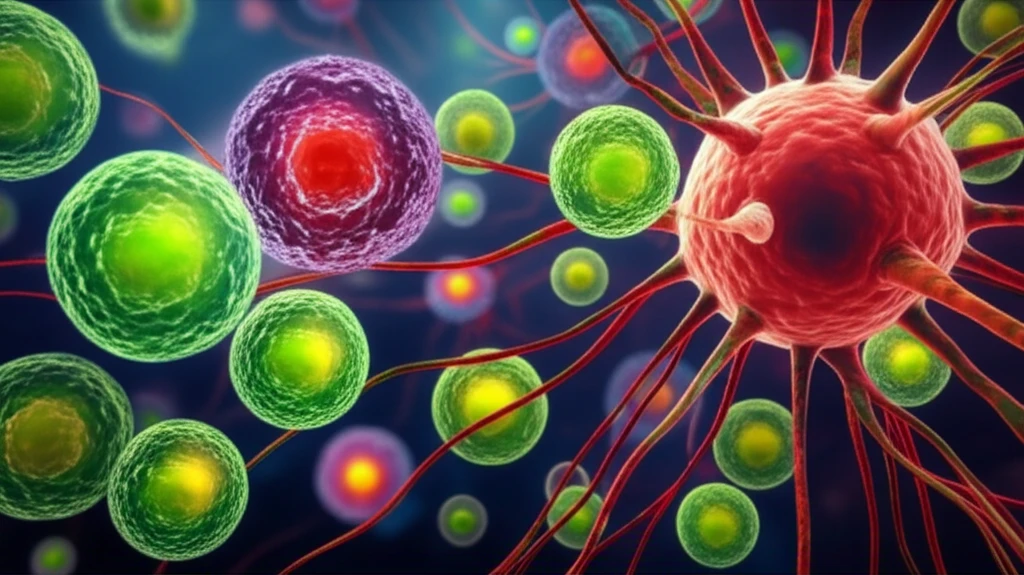
Microalgae: The Tiny Plants That Could Be a Huge Win for Cancer Therapy

"Exploring the promising world of microalgae and their potential to revolutionize cancer treatment."
In the ongoing battle against cancer, scientists are constantly seeking innovative approaches to improve treatment and patient outcomes. Chemotherapy and radiation, while standard, often come with harsh side effects, underscoring the need for new strategies. Enter microalgae—tiny, often overlooked organisms that are making a big splash in the fight against cancer.
Microalgae, the microscopic powerhouses of the aquatic world, are emerging as a promising area of research. These organisms, found in both freshwater and marine environments, possess a rich diversity of bioactive compounds. This has led to a surge in interest among scientists exploring their potential in medicine, particularly in cancer therapy.
This article dives into the exciting world of microalgae, examining their properties, the compounds they produce, and the research supporting their potential to combat cancer. We'll explore how these tiny organisms could offer new hope and possibilities for cancer patients and their families.
Unlocking the Power of Microalgae: What Makes Them Special?
Microalgae are single-celled organisms, similar to plants, that use photosynthesis to convert sunlight into energy. They thrive in various aquatic environments and, remarkably, can adapt to extreme conditions. This adaptability is key to their richness in unique compounds. These include proteins, lipids, carbohydrates, vitamins, and, notably, a range of compounds that show promise in fighting cancer. These organisms produce a diverse array of bioactive molecules that could significantly impact cancer treatment.
- Carotenoids: These natural pigments, such as astaxanthin, have shown powerful antioxidant and anticancer effects.
- Polysaccharides: Complex carbohydrates like fucoidan are known for their anti-inflammatory and antitumor properties.
- Proteins and Peptides: Certain microalgae-derived proteins and peptides are being studied for their ability to disrupt cancer cell growth.
- Fatty Acids: Specific fatty acids, like DHA (docosahexaenoic acid), have demonstrated the ability to hinder cancer cell development.
Looking Ahead: The Future of Microalgae in Cancer Care
Microalgae represent a promising avenue in the ongoing search for effective cancer treatments. The diverse compounds they produce show significant potential to combat cancer cells, while being a sustainable resource. As research continues, microalgae could play a vital role in the future of cancer therapy. The exploration of microalgae and their compounds could lead to breakthroughs that significantly improve the lives of those affected by cancer, offering hope and new possibilities.