
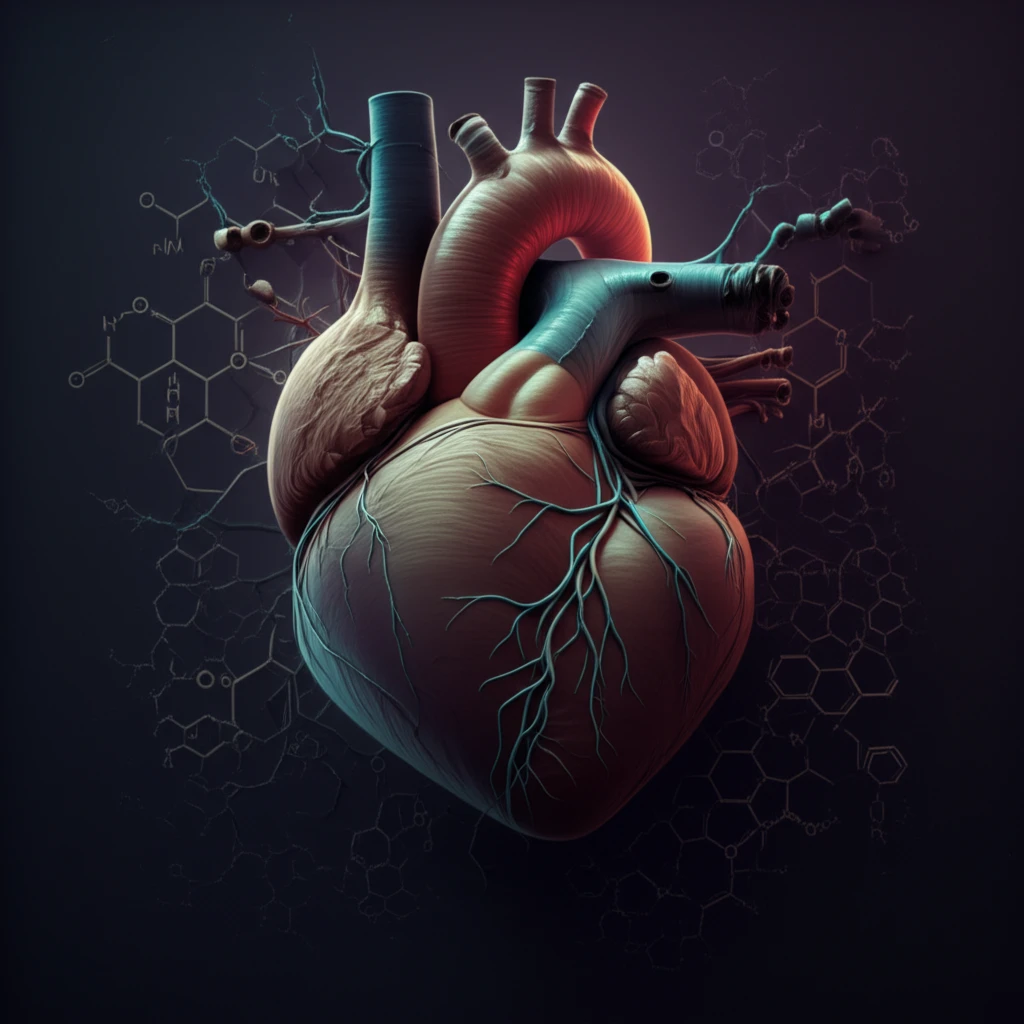
Methoxetamine: Unmasking the Silent Threat to Your Heart

"Explore the dangers of this recreational drug and its impact on cardiovascular health, focusing on new research and preventative measures."
The rise of new psychoactive substances (NPS) has become a pressing global concern, with methoxetamine emerging as a particularly insidious player. Initially designed as an alternative to ketamine, methoxetamine has quickly gained notoriety for its high addictive potential and the severe health risks it poses. While its neuro-psychiatric effects have been relatively well-documented, the cardiotoxic impact of this phencyclidine analogue remains less understood, creating a dangerous gap in our awareness.
Recent research has begun to shed light on the specific ways in which methoxetamine can damage the heart. One key area of focus is the role of p21 protein (Cdc42/Rac)-activated kinase 1 (PAK-1), an enzyme associated with drug-induced cardiotoxicity and the development of cardiac hypertrophy (the enlargement of the heart). By understanding how methoxetamine interacts with PAK-1, scientists hope to unlock new strategies for preventing and treating its harmful cardiovascular effects.
This article aims to delve into the latest findings on methoxetamine's cardiotoxic properties, explore the mechanisms by which it damages heart cells, and highlight potential protective measures. With a focus on accessibility and actionable information, we seek to empower readers with the knowledge they need to make informed decisions about their health and well-being.
How Methoxetamine Hurts Your Heart: The Science Unveiled
A recent study published in Cardiovascular Toxicology investigated the effects of methoxetamine on rat cardiomyocytes (heart muscle cells) and PAK-1. The findings revealed a concerning pattern: Methoxetamine, even at a concentration of 10 µM, significantly reduced cell viability and decreased PAK-1 mRNA levels in H9c2 cells, a commonly used model for studying heart cell function. This indicates that methoxetamine directly interferes with the normal functioning and survival of heart cells.
- Methoxetamine reduces cell viability in heart muscle cells.
- It decreases the levels of PAK-1, a protein crucial for heart health.
- It slows down the beating rate of heart cells, potentially leading to arrhythmias.
Protecting Your Heart: What You Need to Know
The research on methoxetamine and its effects on the heart is still in its early stages, but the findings so far are cause for concern. The evidence suggests that this recreational drug can have serious and potentially long-lasting consequences for cardiovascular health. While further studies are needed to fully elucidate the mechanisms involved and to develop targeted treatments, the most important step you can take is to avoid methoxetamine altogether. Prioritize your health, stay informed, and seek help if you or someone you know is struggling with substance abuse.