
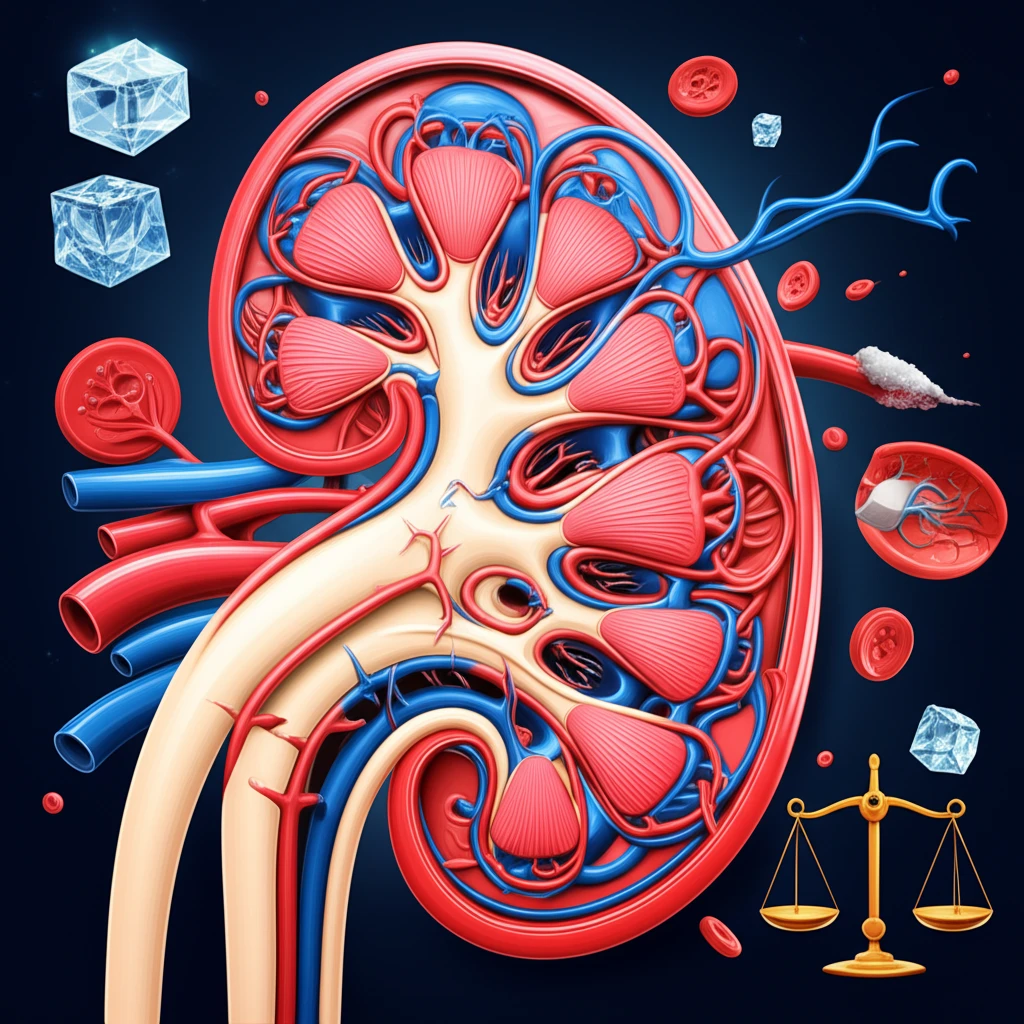
Metabolic Syndrome and Kidney Health: What You Need to Know

"Does metabolic syndrome's impact on blood flow affect kidney collateral circulation? A new study explores the connection."
Metabolic syndrome, a cluster of conditions including increased blood pressure, high blood sugar, excess body fat around the waist, and abnormal cholesterol levels, is a growing concern worldwide. While its effects on cardiovascular health are well-documented, its impact on kidney health, particularly in the presence of renal artery stenosis (RAS), is an area of ongoing research.
Renal artery stenosis, a narrowing of the arteries carrying blood to the kidneys, can lead to decreased blood supply and subsequent kidney damage. To compensate, the body may develop collateral circulation, creating new pathways for blood to reach the affected kidney. However, the effectiveness of this process can be influenced by factors like obesity and metabolic syndrome.
This article delves into a recent study investigating whether metabolic syndrome affects the development of collateral circulation in kidneys experiencing RAS. By understanding this complex interaction, we can gain insights into how to protect kidney function in individuals with metabolic syndrome and RAS.
Metabolic Syndrome's Impact on Kidney Blood Flow: The Study's Findings
A study published in the American Journal of Hypertension explored the link between metabolic syndrome and renal collateral circulation using a swine model of unilateral RAS. The researchers aimed to determine if metabolic syndrome enhances collateral vessel growth, thereby preserving renal function. Here's a breakdown of their approach and key findings:
- MetS-RAS: Fed a high-fat/high-fructose diet to induce metabolic syndrome, along with unilateral RAS.
- RAS: Fed a standard diet with unilateral RAS.
- Control: Fed a standard diet with no RAS.
- Renal blood flow (RBF) and glomerular filtration rate (GFR)
- Collateral circulation around the renal artery
- Intrarenal microcirculation
- Expression of vascular endothelial growth factor (VEGF)
- Renal fibrosis and stiffness
Protecting Your Kidneys: Key Takeaways
While the study suggests that metabolic syndrome doesn't necessarily hinder collateral vessel formation in the stenotic kidney, it's important to recognize the broader implications for kidney health. The researchers found that even with preserved renal blood flow, metabolic syndrome aggravated renal injury distal to the stenosis.
This highlights the need for a comprehensive approach to managing metabolic syndrome, including lifestyle modifications and medical interventions to address the underlying risk factors. Focusing on healthy eating habits, regular exercise, and weight management can significantly impact overall kidney health.
Ultimately, further research is needed to fully understand the intricate relationship between metabolic syndrome and kidney function. However, this study underscores the importance of proactive kidney care in individuals with metabolic syndrome, emphasizing early detection, intervention, and ongoing management to preserve long-term renal health.