
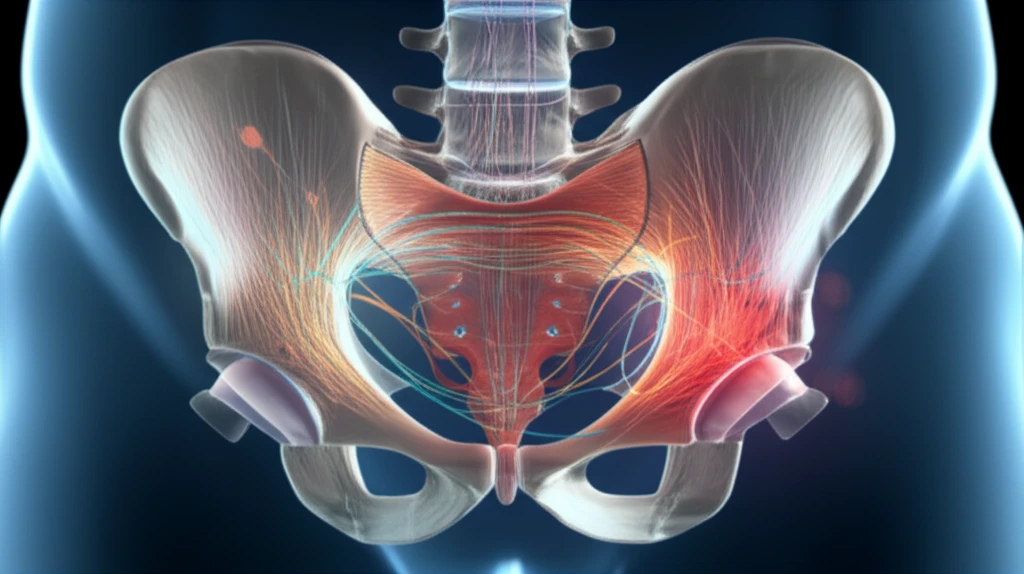
Comparison of mesh materials in pelvic floor reconstruction for prolapse repair.

Mesh Materials for Genital Prolapse Repair: Which Type is Best?

"A comparison of synthetic and biosynthetic meshes reveals key differences in outcomes and complications after surgical treatment for severe genital prolapse."


Genital prolapse significantly impacts women's quality of life, leading to discomfort, pain, and functional limitations. While synthetic meshes have revolutionized surgical repair, offering excellent anatomical restoration, the risk of erosion remains a concern. This has led to the exploration and development of biosynthetic meshes as alternatives.

Both synthetic and biosynthetic meshes aim to provide structural support to weakened pelvic tissues. However, they differ significantly in their composition and properties. Synthetic meshes are typically made of polypropylene, a durable but non-absorbable material. Biosynthetic meshes, on the other hand, incorporate biological components like collagen, which are designed to promote tissue integration and potentially reduce erosion risk.

This article explores a study comparing the effectiveness and safety of two surgical procedures using different mesh types: the Prolift™ system (synthetic) and the Avaulta™/Avaulta Plus™ system (biosynthetic). We'll delve into the findings, highlighting the benefits and drawbacks of each approach to help you understand the factors influencing surgical outcomes and potential complications.

Synthetic vs. Biosynthetic Mesh: Understanding the Key Differences

Comparison of mesh materials in pelvic floor reconstruction for prolapse repair.

The study retrospectively analyzed data from 158 women with severe genital prolapse (stages III-IV POP-Q). Eighty-six patients received the Prolift™ system with a synthetic polypropylene mesh (Group A), while seventy-two underwent surgery with the Avaulta™/Avaulta Plus™ system, utilizing a biosynthetic polypropylene mesh coated with porcine collagen (Group B).

Before surgery, all participants underwent a comprehensive urogynecological evaluation, including POP-Q scoring, urine culture, and urodynamic testing. Validated questionnaires like the Urogenital Distress Inventory (UDI-6), Incontinence Impact Questionnaire (IIQ-7), and Pelvic Organ Prolapse/Urinary Incontinence Sexual Questionnaire (PISQ-12) were used to assess subjective outcomes and quality of life.

  • Anatomical Outcomes: Both groups showed significant improvement in anatomical support. The objective cure rate was 89.5% in the synthetic mesh group (A) and 86.1% in the biosynthetic mesh group (B).
  • Erosion Rates: Mesh exposure occurred in 8.1% of patients in group A (synthetic) and 5.6% in group B (biosynthetic).
  • Functional Outcomes: Both groups reported improvements in dyspareunia (painful intercourse) and overactive bladder symptoms.
  • Quality of Life: Significant improvements were observed in both groups based on VAS questionnaires for prolapse, UDI-6 s.f., the IIQ7 s.f. and the PISQ-12 scores.
The study highlights that while both mesh types can effectively treat severe genital prolapse, the choice of material may influence the risk of specific complications. The lower density of the "coated" biosynthetic mesh appears to contribute to faster post-implant healing and potentially reduce mesh erosion.

Making Informed Decisions About Prolapse Repair

The decision of whether to use synthetic or biosynthetic mesh for genital prolapse repair should be made in consultation with a qualified surgeon. Factors to consider include the severity of the prolapse, patient-specific risk factors, and individual preferences.

While biosynthetic meshes show promise in reducing erosion risk, long-term data is still needed to fully evaluate their durability and effectiveness compared to synthetic meshes. Ongoing research continues to refine surgical techniques and improve mesh materials, aiming to optimize outcomes and minimize complications for women undergoing prolapse repair.

Ultimately, a thorough discussion with your healthcare provider is crucial to determine the most appropriate surgical approach and mesh type for your individual needs, ensuring the best possible outcome and improved quality of life.

About this Article -

This article was crafted using a human-AI hybrid and collaborative approach. AI assisted our team with initial drafting, research insights, identifying key questions, and image generation. Our human editors guided topic selection, defined the angle, structured the content, ensured factual accuracy and relevance, refined the tone, and conducted thorough editing to deliver helpful, high-quality information.See our About page for more information.

This article is based on research published under:

DOI-LINK: 10.4081/uij.2009.3.21, Alternate LINK

Title: A Comparison Between Synthetic And Biosynthetic Meshes In The Surgical Treatment Of Severe Genital Prolapse: Results And Complications

Subject: Urology

Journal: Urogynaecologia

Publisher: PAGEPress Publications

Authors: S. Dati, V. De Lellis, P. Palermo, G. Carta

Published: 2010-09-27

Everything You Need To Know

1

What are synthetic meshes, such as the Prolift™ system, made of, and what are their advantages and disadvantages?

Synthetic meshes, such as the Prolift™ system, are typically made from polypropylene. This material is strong and non-absorbable, offering excellent long-term support for pelvic tissues. However, a potential drawback is the risk of mesh erosion, where the mesh can protrude into surrounding tissues.

2

How do biosynthetic meshes, like those used in the Avaulta™/Avaulta Plus™ system, differ from synthetic meshes in terms of composition and function?

Biosynthetic meshes, like those used in the Avaulta™/Avaulta Plus™ system, incorporate biological components like collagen. These meshes are designed to promote tissue integration, potentially reducing the risk of erosion and improving healing. The Avaulta™/Avaulta Plus™ system uses a biosynthetic polypropylene mesh coated with porcine collagen.

3

What were the main findings of the study comparing the Prolift™ system and the Avaulta™/Avaulta Plus™ system in treating severe genital prolapse?

The study compared the Prolift™ system, a synthetic mesh, to the Avaulta™/Avaulta Plus™ system, a biosynthetic mesh, in women with severe genital prolapse. Both systems showed significant improvement in anatomical support. The objective cure rate was 89.5% in the Prolift™ system group and 86.1% in the Avaulta™/Avaulta Plus™ system group. Both groups reported improvements in painful intercourse and overactive bladder symptoms.

4

What factors should be considered when choosing between a synthetic mesh like the Prolift™ system and a biosynthetic mesh like the Avaulta™/Avaulta Plus™ system for genital prolapse repair?

The choice between synthetic and biosynthetic mesh, like choosing between the Prolift™ system and the Avaulta™/Avaulta Plus™ system, depends on individual factors. Synthetic meshes offer robust support but carry a higher risk of erosion. Biosynthetic meshes may offer better tissue integration and lower erosion risk. Considerations should include the severity of the prolapse, patient-specific risk factors, and individual preferences.

5

Considering the study comparing the Prolift™ system and the Avaulta™/Avaulta Plus™ system, what are the long-term implications and potential complications associated with each type of mesh in genital prolapse repair?

While both the Prolift™ system and the Avaulta™/Avaulta Plus™ system have shown effectiveness in treating genital prolapse, understanding the long-term implications and potential complications is crucial. Erosion rates, although relatively low in both groups, are a significant concern. The choice between synthetic and biosynthetic meshes should be made after a thorough discussion with a qualified surgeon, considering the individual's specific needs and risk factors. Factors like the severity of the prolapse (stages III-IV POP-Q), prior urogynecological evaluations (including POP-Q scoring, urine culture, and urodynamic testing) and subjective outcomes (UDI-6, IIQ-7, and PISQ-12 scores) play vital role.

Newsletter Subscribe

Subscribe to get the latest articles and insights directly in your inbox.