
Medication Errors: A Shocking Case and How to Prevent Them

"Learn how a concentration mix-up in sodium supplementation nearly cost a child his life, and discover key strategies for safer medication practices."
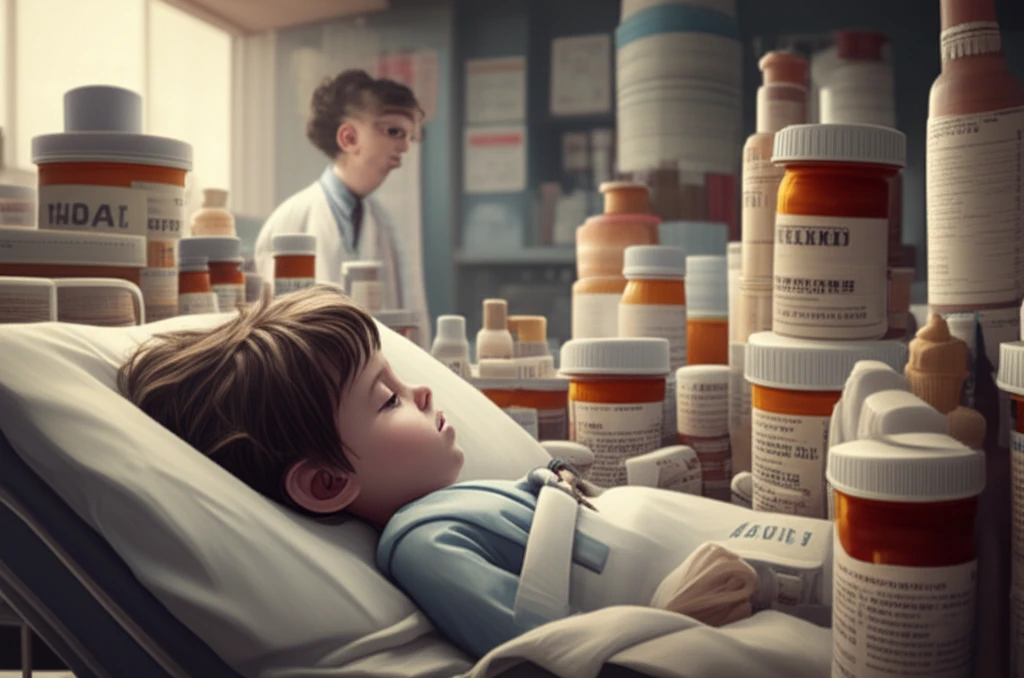
Medication errors represent a significant threat to patient safety, with potentially devastating consequences. While healthcare systems implement various safeguards, mistakes still occur, underscoring the need for continuous improvement and vigilance at all levels. A recent case highlights how a seemingly minor error in medication concentration nearly resulted in tragedy for an 11-year-old boy, emphasizing the multi-factorial nature of drug errors.
This article delves into a case study published in the Archives of Disease in Childhood, detailing a severe incident of hypernatremia (dangerously high sodium levels) caused by a mix-up in sodium supplementation. We will explore the sequence of events, the factors that contributed to the error, and the critical lessons learned. By understanding the vulnerabilities exposed in this case, healthcare professionals and caregivers can implement strategies to minimize the risk of similar incidents.
The goal is to equip you with actionable insights to improve medication safety practices, protect vulnerable patients, and promote a culture of continuous learning within healthcare settings. Special focus will be given to labeling and pharmacy dispensing levels. The case underscores that medication errors are almost always multifactorial.
The Case: A Near-Fatal Sodium Supplementation Error
An 11-year-old boy with lissencephaly, severe global developmental delay, and a seizure disorder was admitted to the hospital in critical condition. He presented with a four-day history of diarrhea, reduced responsiveness, and abnormal breathing. His medical history included sodium supplementation via a percutaneous endoscopic gastrostomy (PEG) tube.
- Initial Blood Tests: His initial blood tests revealed dangerously high sodium levels (hypernatremia) at >200mmol/l, elevated chloride levels (hyperchloraemia), thrombocytopenia (low platelet count), and coagulopathy (impaired blood clotting). A chest X-ray confirmed pneumonia.
- The Mistake: Further investigation revealed that the boy had been receiving a sodium supplement five times more concentrated than prescribed for six days (5mmol/ml instead of 1mmol/ml). Both concentrations were available in identical packaging.
Key Takeaways and Prevention Strategies
This case underscores the critical importance of a multi-faceted approach to medication safety. No single intervention can completely eliminate the risk of errors, but a combination of strategies can significantly reduce the likelihood of harm. These strategies include:
<ul><li><b>Clear Product Labeling:</b> Standardized labeling practices are crucial to differentiate between medications and concentrations. Clear, prominent labeling that highlights the strength and dosage of a medication can help prevent mix-ups.</li><li><b>Pharmacist Vigilance:</b> Pharmacists play a vital role in verifying prescriptions and identifying potential errors before medications reach patients. Independent double checks and careful review of medication orders can catch mistakes that might otherwise slip through the cracks.</li><li><b>Standardized Concentrations:</b> Whenever possible, using standardized concentrations of medications can reduce the risk of errors. When different concentrations are necessary, clear differentiation in packaging and labeling is essential.</li></ul>
By implementing these strategies and fostering a culture of open communication and continuous improvement, healthcare organizations can create a safer environment for patients and minimize the risk of medication-related harm. The lessons learned from this near-tragedy serve as a reminder of the importance of vigilance, collaboration, and a commitment to patient safety at all levels of healthcare.