
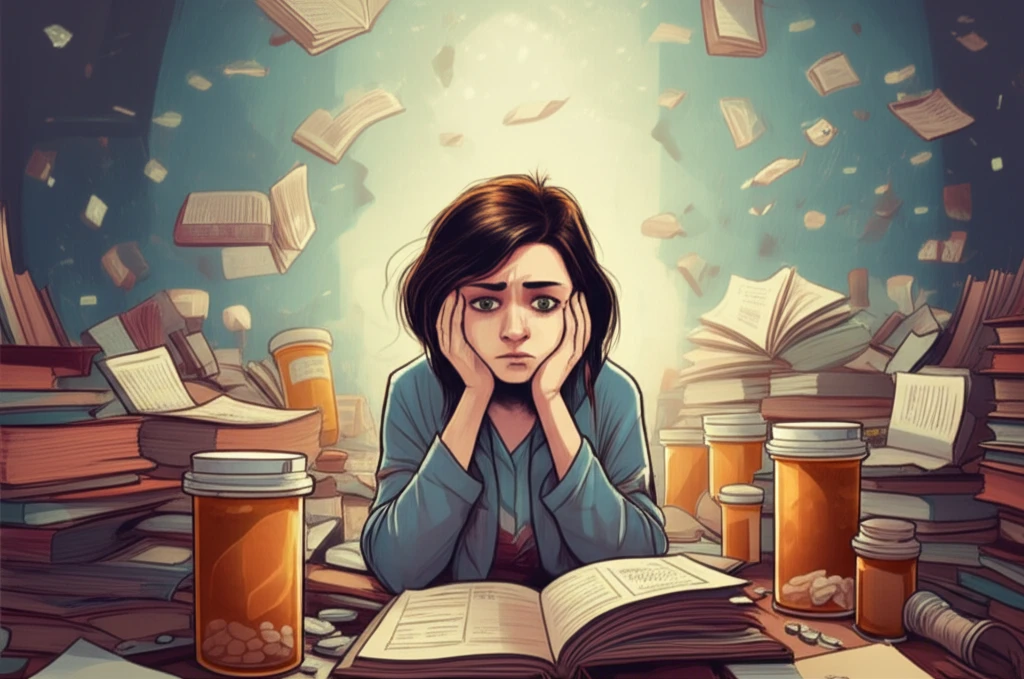
Stressed medical student surrounded by textbooks and prescription bottles.

Med School Stress: Are Drugs the Answer?

"Unpacking the prevalence and risks of substance use among medical students. Learn why it's a growing concern and what can be done."


The journey through medical school is notoriously demanding, marked by intense academic pressure, long hours, and significant emotional challenges. Students face a constant barrage of new information, high expectations, and the weight of future responsibilities, creating a pressure cooker environment that can take a toll on their well-being.

In this high-stress setting, some students turn to substance use as a coping mechanism. While occasional stress relief might seem harmless, the reliance on drugs and alcohol can quickly spiral into a dangerous pattern of abuse, impacting their health, academic performance, and future careers. The use of licit and illicit substances among medical students is a growing concern that demands a closer look.

It’s crucial to understand the scope of this issue, identify the underlying factors that contribute to substance use, and explore healthier strategies for managing stress and promoting well-being. Let’s delve into the reality of drug use in medical school and what resources are available for those who need help.

Why Are Medical Students at Higher Risk?

Stressed medical student surrounded by textbooks and prescription bottles.

Medical students face a unique set of stressors that can increase their vulnerability to substance use. Understanding these pressures is the first step in addressing the problem. Here are some common challenges:

Academic pressure is immense. The sheer volume of information, constant exams, and the need to excel can lead to chronic stress and anxiety.

  • Long hours and sleep deprivation: Medical students often work long hours, sacrificing sleep and personal time. This can lead to burnout and a weakened ability to cope with stress.
  • Emotional toll: Dealing with patient suffering, death, and difficult ethical dilemmas can take a significant emotional toll. Many students struggle to process these experiences in a healthy way.
  • Accessibility: Some students have easy access to prescription drugs through their medical training, increasing the risk of misuse.
  • Social factors: Peer pressure and a desire to fit in can also contribute to substance use. Some students may feel pressured to use drugs or alcohol to socialize or cope with the demands of medical school.
The combination of these factors creates a perfect storm that can lead to substance use. Recognizing these risks is essential for developing effective prevention and intervention strategies.

Finding Healthier Ways to Cope

While the pressures of medical school are undeniable, turning to drugs or alcohol is not the answer. There are many healthier ways to manage stress and promote well-being. If you're struggling with substance use or considering it as a way to cope, remember that you're not alone. Reach out to friends, family, or a mental health professional. Your well-being is paramount, and there are people who care and want to help.

About this Article -

This article was crafted using a human-AI hybrid and collaborative approach. AI assisted our team with initial drafting, research insights, identifying key questions, and image generation. Our human editors guided topic selection, defined the angle, structured the content, ensured factual accuracy and relevance, refined the tone, and conducted thorough editing to deliver helpful, high-quality information.See our About page for more information.

This article is based on research published under:

DOI-LINK: 10.1590/1806-9282.64.05.462, Alternate LINK

Title: The Use Of Drugs And Medical Students: A Literature Review

Subject: General Medicine

Journal: Revista da Associação Médica Brasileira

Publisher: FapUNIFESP (SciELO)

Authors: Fernando José Candido, Rodrigo Souza, Matheo Augusto Stumpf, Luiz Gustavo Fernandes, Rafael Veiga, Matheus Santin, Ana Kluthcovsky

Published: 2018-05-01

Everything You Need To Know

1

What specific stressors make medical students particularly vulnerable to substance use?

Medical students face immense academic pressure due to the volume of information and constant exams. They endure long hours and sleep deprivation, leading to burnout. The emotional toll of dealing with patient suffering and ethical dilemmas, coupled with accessibility to prescription drugs and social factors like peer pressure, further increases their vulnerability.

2

Beyond academic challenges, how does the emotional aspect of medical training contribute to substance use among students?

Dealing with patient suffering, death, and difficult ethical dilemmas takes a significant emotional toll on medical students. Many students struggle to process these experiences healthily, leading them to seek coping mechanisms like substance use to manage the emotional burden.

3

What role do long hours and sleep deprivation play in the increased risk of substance use among medical students?

The long hours and sleep deprivation common in medical school lead to burnout and a weakened ability to cope with stress. This chronic fatigue and reduced resilience can make students more susceptible to turning to substances as a quick fix or escape from the demands of their training.

4

In what ways can the easy accessibility of prescription drugs during medical training contribute to potential misuse and substance use disorders?

Easy access to prescription drugs during medical training can lead to misuse as students may self-medicate to cope with stress, anxiety, or sleep deprivation. This accessibility normalizes drug use and increases the risk of developing a substance use disorder. Prevention strategies should focus on responsible prescribing practices and education about the risks of self-medication.

5

What are some healthier strategies that medical students can use to manage stress and promote well-being, instead of turning to drugs or alcohol?

Instead of using drugs or alcohol, medical students can manage stress by reaching out to friends, family, or mental health professionals. These support systems can provide emotional support and guidance. Developing healthy coping mechanisms, such as exercise, mindfulness, and hobbies, can also reduce stress and promote overall well-being. Additionally, time management skills and setting realistic expectations can help alleviate academic pressure and prevent burnout.

Newsletter Subscribe

Subscribe to get the latest articles and insights directly in your inbox.