
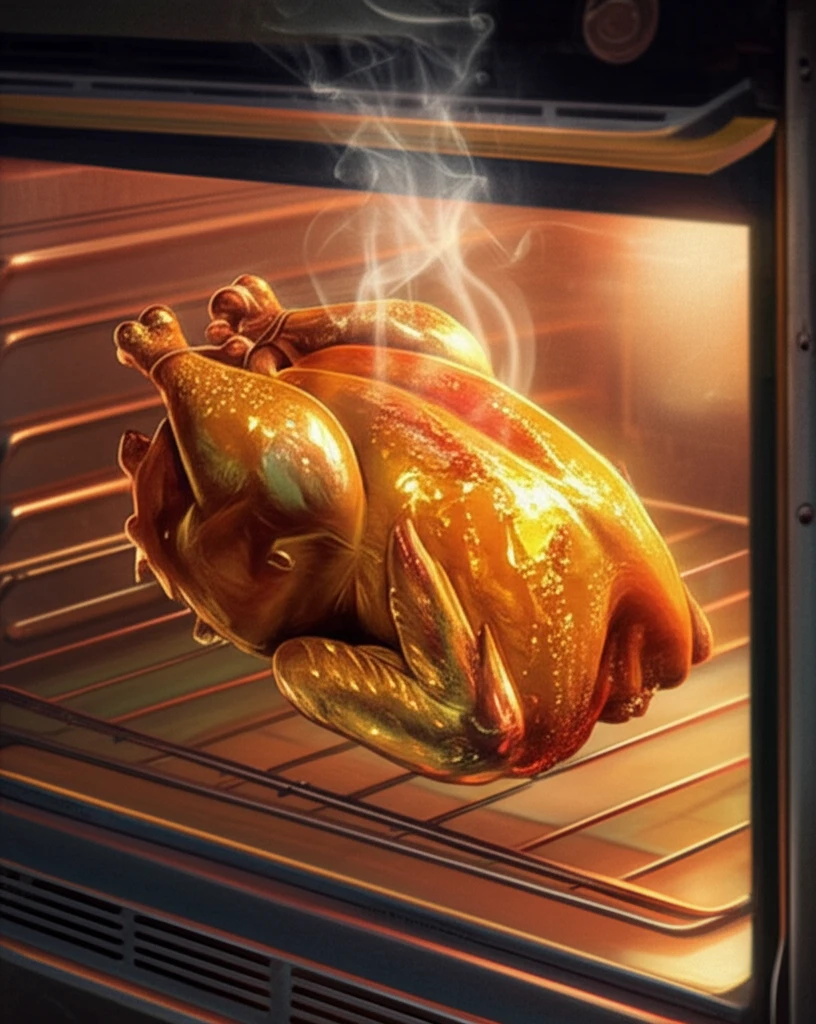
Mastering the Art of Baking and Roasting: Techniques, Science, and Culinary Secrets

"Unlock the secrets to perfect baking and roasting with our comprehensive guide, exploring everything from the science of heat transfer to essential preservation techniques."
Baking and roasting, ancient techniques integral to global cuisine, involve using heated air to transform the eating quality of foods. While these terms are often used interchangeably, they apply to different food categories: baking for flour-based goods and fruits, and roasting for meats, cocoa, coffee beans, nuts, and vegetables. This article will use 'baking' to encompass both processes, highlighting how it preserves food and enhances flavor.
The shelf life of baked products hinges on several key factors: moisture content, acidity (ranging from pH 4.2 to 7.0 depending on the product), the use of chemical preservatives, and the application of heat to eliminate microorganisms and enzymes. Effective packaging, such as modified atmosphere packaging, and proper storage temperatures (chilled or frozen) also play crucial roles. These elements collectively ensure the quality and longevity of baked goods.
This comprehensive guide covers baking with convective or conductive heat transfer from hot air, delving into the theories and practical applications essential for both novice and experienced bakers. We'll also touch on microwave and radio-frequency heating, and infrared toasting, offering a complete overview of modern baking techniques.
The Popularity of Baking Techniques
Baking techniques continue to capture significant public interest, with platforms like Pinterest documenting widespread searches for baking methods—372 people searched baking techniques on a single ideas page. Claire Saffitz, a renowned pastry expert, has codified nine essential baking techniques that she argues put all home bakers on the road to success, including caramel-making and other foundational skills. High-altitude baking presents specific challenges that require adapted techniques, as elevation affects how standard sourdough recipes perform. Understanding the differences between flour types is also considered a foundational skill for any baker, as noted by sources like Real Simple.
The Muffin Mixing Method and Its Scope
The muffin mixing method is one of the most basic mixing methods utilized in baking. Despite its name, the muffin mixing method is not used only for making muffins—it applies to a broader range of baked goods. This method represents a standard approach that novice and experienced bakers alike rely upon. It serves as a foundational technique in many baking curricula and is widely taught as a starting point.
Ancient Origins of Baking
The roots of baking in masonry ovens can be traced back to ancient civilizations. The Egyptians used ovens made of hot rocks and clay pots to harness the power of fire for cooking. These early techniques laid the groundwork for the masonry ovens that remain influential in baking today. Joe Pastry, a dedicated baking history resource, continues to document the science and history behind these foundational baking methods.
The Science Behind Baking: Heat Transfer and Moisture Control
As with dehydration, baking involves simultaneous heat transfer into food and moisture removal through evaporation. The primary difference lies in the heated air temperature, which, in baking, ranges from 110°C to 300°C, much higher than in typical dehydration. Unlike dehydration, which aims to remove as much water as possible, baking seeks to retain some moisture to enhance the sensory qualities of the final product. Think of the difference between a cracker and a cake.
- Temperature Difference: The contrast between the heat source and the food influences the speed of heat absorption.
- Air Velocity: The speed of air moving in the oven impacts moisture removal and heat distribution.
- Food Characteristics: The size and type of food determine how uniformly it cooks.
Technical Baking Skills for Modern Bakers
Scoring bread is an art that affects both the appearance and quality of the final product. The pattern of the cuts, the angles at which dough is scored, and the depth of each cut all influence how bread expands and how the 'ear'—the raised edge of crust beside a cut—forms. These technical baking skills can be learned at home by dedicated practitioners. Mastering such techniques requires both knowledge and hands-on practice to achieve consistent results.
Limitations in Practice
Baking, like many fields, faces limitations that can challenge even experienced practitioners. Game theory, for example, has documented limitations in its predictive models, illustrating how complex systems resist simple frameworks. Similarly, taxation approaches to public health—such as sugar taxes—face criticism for being regressive, disproportionately affecting poorer households. These systemic limitations parallel the challenges bakers face when applying standardized methods across diverse conditions and ingredients.
Baking Surfaces and Starter Maintenance Compared
Compared to parchment paper, silicone baking mats offer superior consistency and reusability but require a longer bake time. Among silicone mats, premium brands like Silpat provide unmatched durability and non-stick performance for tasks such as macaron baking. Maintaining a sourdough starter also demands specific techniques, as demonstrated by James Beard Award-winning baker Greg Wade, who shares methods for keeping starters active and healthy. These comparisons help bakers make informed choices about tools and methods.
Elevate Your Baking and Roasting Game
Whether you're a home baker or a culinary professional, understanding the science and techniques behind baking and roasting is essential. By mastering heat transfer, moisture control, and preservation methods, you can consistently create delicious, safe, and high-quality baked goods. Embrace these principles, experiment with new approaches, and transform your cooking!
Expert-Endorsed Baking Fundamentals
Mastering baking begins with understanding the role of key ingredients: chemical leaveners, sugars, eggs, butter, flour, and dairy. Expert instructors emphasize the importance of proper measurement techniques and pre-baking preparation as essential skills. Creaming butter and sugar together is a foundational technique used across many baked goods. Endorsed baking books from authors like Molly Yeh and Ina Garten offer proven recipes and expert techniques that have helped millions refine their craft.
Evolving Trends in Baking Techniques
Identifying proper proofing levels in bread remains a critical skill that bakers continue to refine. Mastering the art of baking involves mastering techniques, understanding ingredients, and refining skills through continuous practice. Each baked good serves as a testament to the baker's knowledge and creativity, suggesting that innovation in baking is an ongoing journey. Future developments will likely build on these foundational principles while incorporating new insights.
Contextual Challenges in the Baking Landscape
While specific data on systemic challenges in the baking industry was limited in available sources, the broader context of food production and culinary arts continues to evolve. Environmental factors such as climate and altitude directly impact baking outcomes, as elevation affects how standard recipes perform. Access to quality ingredients and specialized tools remains a barrier for many aspiring bakers. Addressing these systemic challenges requires both industry investment and individual adaptation of techniques.
Baking Education and Industry Connection
Scholarships are helping baking students overcome financial barriers to higher-level study while providing valuable industry experience. Champion Flour's technical baking team partners with educational institutions like the School of Hospitality to connect students directly to industry. These scholarships build on long-standing partnerships that bridge education and professional practice. Such initiatives ensure the next generation of bakers receives both technical training and real-world industry exposure.