
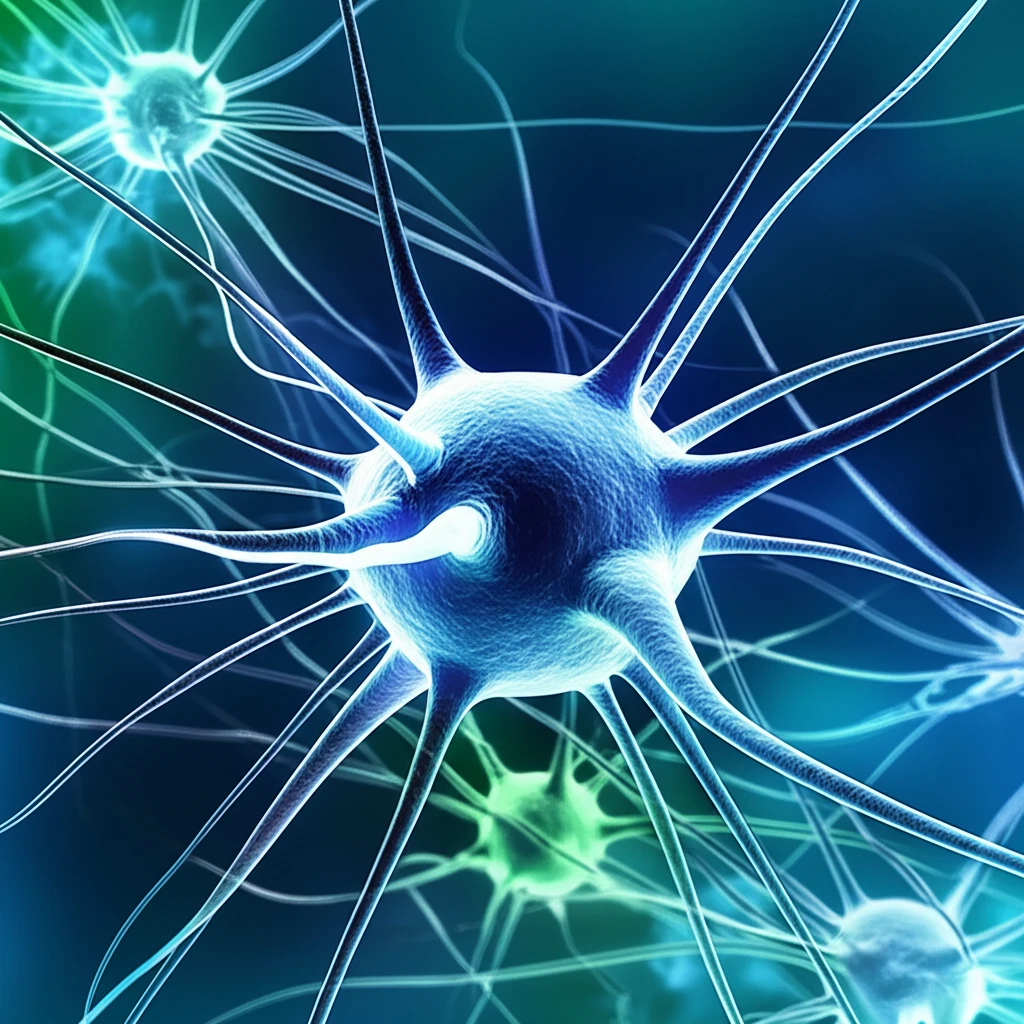
Neural networks and cellular structures symbolizing ALS research and the legacy of Maria Teresa Carrì.

Maria Teresa Carrì: A Pioneer in ALS Research and Her Lasting Legacy

"Remembering the life and work of Maria Teresa Carrì, a distinguished biochemist whose research significantly advanced our understanding of ALS and neurodegeneration."


On July 26th, the scientific community mourned the untimely passing of Maria Teresa Carrì, a Full Professor of Biochemistry at the University of Rome Tor Vergata. Her departure followed a courageous battle with an incurable disease, leaving behind a legacy of groundbreaking research and unwavering dedication to her field.

Carrì's journey into biochemistry was not her initial path. She originally trained in biology, earning her degree in 1981. However, her career took a pivotal turn when she joined a laboratory at the Second University of Rome (now University of Rome Tor Vergata), marking the beginning of her impactful contributions to the world of biochemistry.

At the time, Rome was emerging as a vibrant center for biochemistry research. An internationally recognized group of experts at the University of Rome La Sapienza were leading investigations into enzymology and protein structure-function relationships. Carrì's decision to join this dynamic environment set the stage for her future discoveries.

Unraveling the Mysteries of Superoxide Dismutase (SOD1) and ALS

Neural networks and cellular structures symbolizing ALS research and the legacy of Maria Teresa Carrì.

Carrì's research initially focused on Cu, Zn-Superoxide dismutase (SOD1), a protein extensively studied for its structure and catalytic action. She established a new laboratory dedicated to exploring the potential of molecular biology. This led to a specific project aligned with the biochemical interests of the Tor Vergata Department of Biology, where researchers aimed to understand the central role of oxygen and energy metabolism in cell biology.

Maria Teresa's initial task was not simple. She started gene manipulation in SOD1, cloning and expressing SOD enzymes with mutated activities and structures, enhancing her group's understanding of its extraordinary catalytic efficiency, and also the transfection of such variants and subsequent detection of altered molecular functions. It involved manipulating the SOD1 gene to create enzymes with altered activities and structures. This allowed her to investigate the protein's catalytic efficiency and explore its diverse molecular functions.

  • Gene Manipulation: Modifying the genetic code of SOD1 to produce enzymes with specific alterations.
  • Cloning and Expression: Creating copies of the modified genes and producing the corresponding enzymes in the lab.
  • Functional Analysis: Studying how the altered enzymes behaved and interacted within cells.
The biological role of SOD1 remains a complex puzzle. While it was known that SOD1 dismutates superoxide radicals, this process seemed redundant or even potentially toxic due to the production of hydrogen peroxide. However, a breakthrough came in 1993 when it was discovered that mutations in SOD1 were linked to familial amyotrophic lateral sclerosis (ALS), a devastating motor neuron disease.

A Lasting Impact on ALS Research

Maria Teresa Carrì's contributions extended beyond her laboratory. She actively promoted ALS research nationally and internationally, serving on funding committees, expert panels, and editorial boards. Her dedication, determination, and collaborative spirit made her a respected figure in the scientific community. Her work continues to inspire researchers striving to unravel the complexities of ALS and find effective treatments.

About this Article -

This article was crafted using a human-AI hybrid and collaborative approach. AI assisted our team with initial drafting, research insights, identifying key questions, and image generation. Our human editors guided topic selection, defined the angle, structured the content, ensured factual accuracy and relevance, refined the tone, and conducted thorough editing to deliver helpful, high-quality information.See our About page for more information.

This article is based on research published under:

DOI-LINK: 10.1038/s41419-018-1193-6, Alternate LINK

Title: Maria Teresa Carrì Obituary

Subject: Cancer Research

Journal: Cell Death & Disease

Publisher: Springer Science and Business Media LLC

Authors: Giuseppe Rotilio

Published: 2018-11-19

Everything You Need To Know

1

What was Maria Teresa Carrì's primary area of research, and what significant disease did her work focus on?

Maria Teresa Carrì's primary research area was biochemistry, with a significant focus on understanding the complexities of Amyotrophic Lateral Sclerosis (ALS). Her work involved unraveling the mysteries of Superoxide Dismutase (SOD1) and its connection to ALS, contributing substantially to the scientific community's knowledge of this devastating motor neuron disease. She focused on gene manipulation of SOD1 to understand the impact it had on ALS. She also worked on cloning and expressing SOD enzymes to further understand the connection.

2

How did Maria Teresa Carrì contribute to the understanding of Superoxide Dismutase (SOD1) and its role in ALS?

Maria Teresa Carrì significantly contributed to understanding Superoxide Dismutase (SOD1) by exploring its structure, catalytic action, and its connection to Amyotrophic Lateral Sclerosis (ALS). She established a laboratory to investigate the potential of molecular biology in understanding the role of oxygen and energy metabolism in cell biology, focusing on gene manipulation, cloning, and expression of SOD1 variants. Her research aimed to understand how mutations in SOD1 are linked to familial ALS.

3

Can you explain the importance of gene manipulation in SOD1 research, as conducted by Maria Teresa Carrì, and how it advanced the understanding of ALS?

Gene manipulation in Superoxide Dismutase (SOD1) research, conducted by Maria Teresa Carrì, was crucial for creating enzymes with altered activities and structures. This allowed researchers to investigate the protein's catalytic efficiency and explore its diverse molecular functions. By manipulating the SOD1 gene through cloning, expression, and functional analysis, scientists were able to understand how mutations in SOD1 are linked to familial Amyotrophic Lateral Sclerosis (ALS), providing insights into the molecular basis of the disease. This work extended to the transfection of such variants and subsequent detection of altered molecular functions.

4

Why was the discovery of the link between SOD1 mutations and familial ALS considered a breakthrough, and how did Maria Teresa Carrì's research build upon this discovery?

The discovery of the link between Superoxide Dismutase (SOD1) mutations and familial Amyotrophic Lateral Sclerosis (ALS) was a breakthrough because it provided a genetic basis for understanding the disease. Before this discovery, the biological role of SOD1 was a complex puzzle, and its connection to ALS was not clear. Maria Teresa Carrì's research built upon this discovery by focusing on gene manipulation of SOD1, cloning and expressing mutated SOD1 enzymes, and studying their functional analysis to understand the structural and catalytic function. This allowed her to delve into the specific mechanisms by which mutated SOD1 contributes to the development and progression of ALS, leading to a deeper understanding of the disease at the molecular level.

5

Beyond her laboratory work, how did Maria Teresa Carrì contribute to promoting ALS research nationally and internationally?

Beyond her laboratory work, Maria Teresa Carrì actively promoted Amyotrophic Lateral Sclerosis (ALS) research by serving on funding committees, expert panels, and editorial boards at both national and international levels. Her dedication, determination, and collaborative spirit made her a respected figure in the scientific community. Her contributions extended to fostering collaboration and knowledge sharing among researchers, advocating for increased funding and resources for ALS research, and influencing the direction of scientific inquiry in the field.

Newsletter Subscribe

Subscribe to get the latest articles and insights directly in your inbox.