
Malaria Treatment Breakthrough: How Diagnosis-Dependent Subsidies Are Revolutionizing Healthcare in Kenya

"A groundbreaking study reveals how targeted subsidies and community-based interventions are changing the fight against malaria, improving diagnostics, and ensuring rational drug use."
In the relentless battle against infectious diseases, malaria continues to cast a long shadow, particularly in resource-constrained environments. With millions affected each year, the need for effective, accessible, and sustainable solutions is paramount. Recent advancements in healthcare, specifically in the realm of diagnosis and treatment, offer a beacon of hope.
A groundbreaking study conducted in western Kenya has illuminated a path toward improving malaria treatment through a novel approach: diagnosis-dependent subsidies. This innovative strategy links free malaria diagnostic testing with subsidized access to life-saving artemisinin combination therapies (ACTs), aiming to ensure these vital medications are used rationally and efficiently.
This article delves into the core findings of the cluster-randomized controlled trial, offering an in-depth look at the methodology, outcomes, and implications of this pivotal research. By exploring the positive impact of targeted subsidies and community-based interventions, we aim to inspire and inform healthcare professionals, policymakers, and anyone invested in global health improvement.
The Game-Changing Strategy: Diagnosis-Dependent Subsidies and Community-Based Interventions
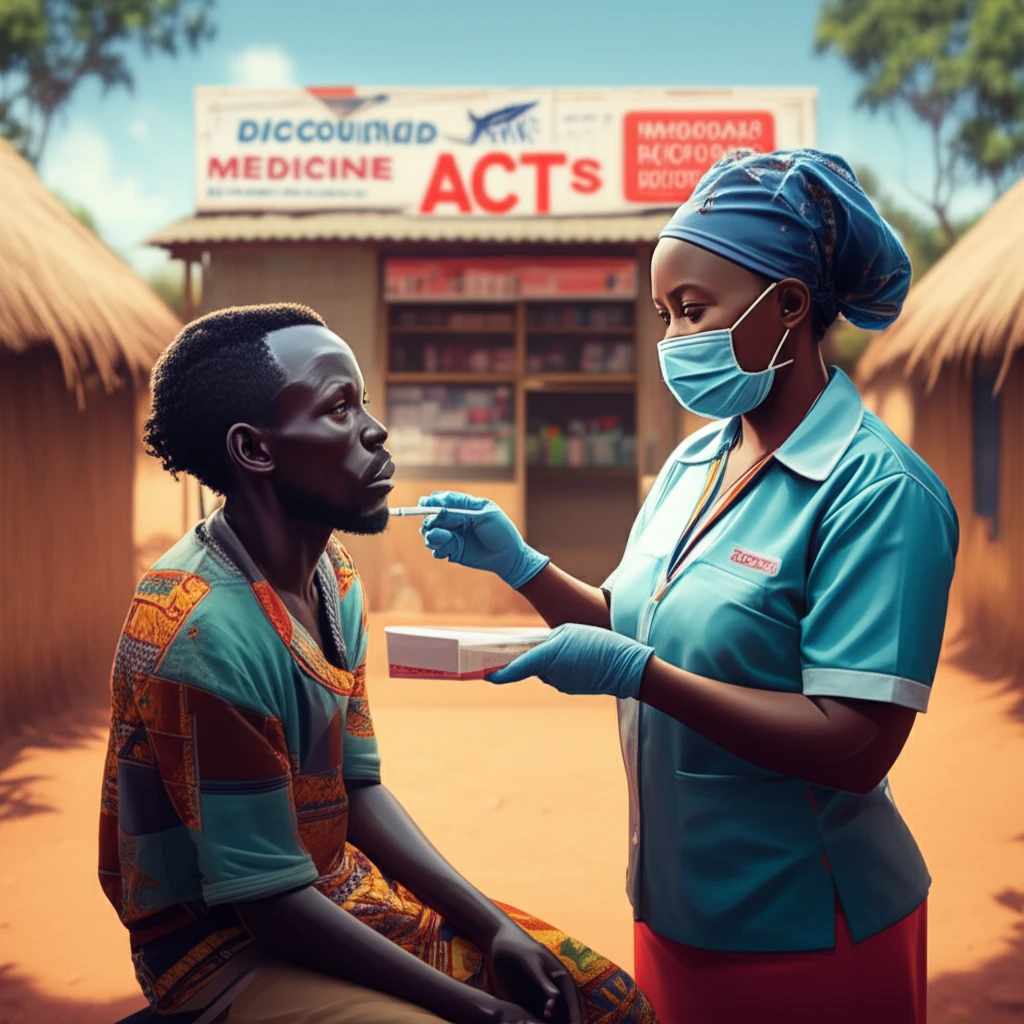
The cornerstone of this initiative is a community-based approach that merges the capabilities of community health workers (CHWs) with the infrastructure of the retail sector. This synergistic model facilitates the delivery of malaria rapid diagnostic tests (RDTs) directly to individuals experiencing malaria-like symptoms.
- Increased Diagnostic Testing: The study's intervention led to a notable rise in malaria testing rates, with more people seeking and receiving timely diagnoses.
- Rational ACT Use: The proportion of ACTs used by individuals with confirmed malaria cases saw significant improvements, demonstrating the intervention's efficacy in promoting appropriate drug use.
- Community Health Workers: The study emphasized the importance of CHWs in providing accessible testing and essential healthcare services to local communities.
A New Era for Malaria Treatment
The results of the study provide a strong foundation for improving the management of malaria, a disease that continues to plague millions worldwide. Through innovative approaches, such as diagnosis-dependent subsidies, we can not only improve treatment outcomes, but also make the most of limited resources, creating a future where effective healthcare is within reach for all.