
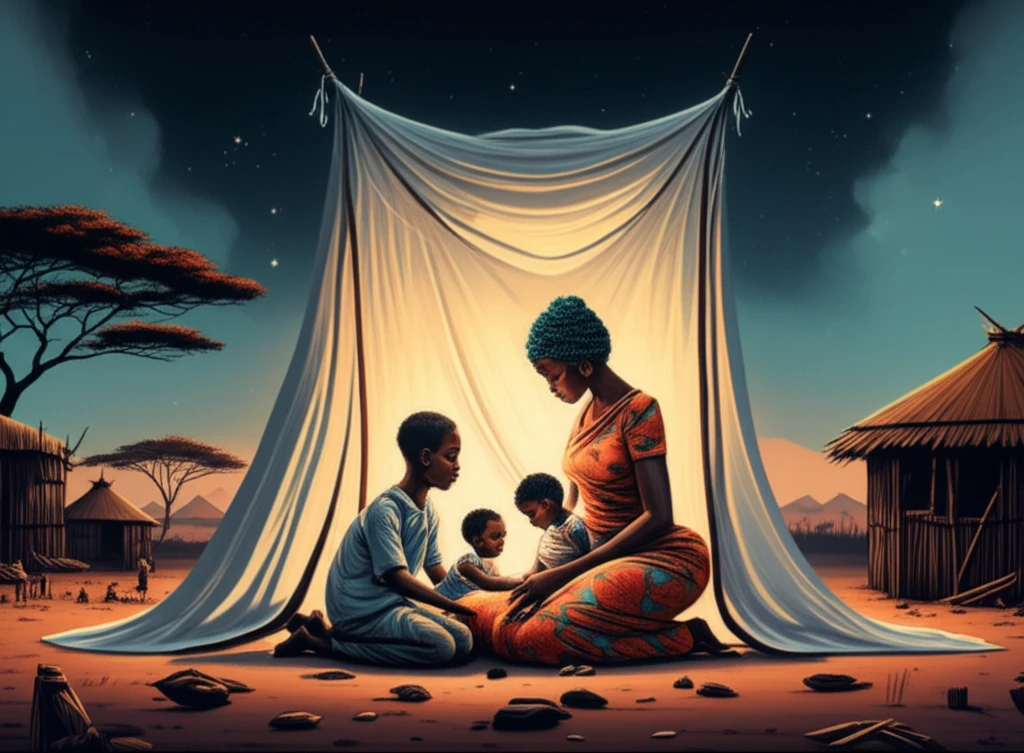
Malaria Prevention 101: Simple Steps to Protect Your Family

"Is malaria knowledge enough? Discover easy, actionable steps to protect your loved ones from malaria, especially in coastal communities."
Malaria remains a significant public health challenge, especially in regions with warm and humid climates. In Nigeria, like many West African countries, malaria is a major cause of illness and death. The economic costs, including healthcare and lost productivity, are staggering. Yet, many people lack the essential knowledge needed to protect themselves and their families effectively.
While significant efforts target young children, adolescents often get overlooked in malaria prevention strategies. This gap is alarming because adolescents can be powerful agents of change within their families and communities. Equipping them with the right knowledge and practices is crucial for sustainable malaria control.
This article addresses that gap by providing accessible, actionable steps to help families, especially those in coastal communities like Calabar, Nigeria, protect themselves from malaria. We'll explore knowledge gaps and practical solutions that can be easily integrated into everyday life.
Understanding Malaria: Beyond the Basics
Before diving into prevention, it's essential to clarify what malaria is and how it spreads. Malaria is not caused by bad air or curses but by a parasite transmitted through the bite of infected Anopheles mosquitoes. Knowing this simple fact is the first step in combating misinformation.
- Accurate Knowledge: Only a small percentage of individuals correctly identify that malaria is an infectious disease caused by parasites transmitted via mosquito bites.
- Vector Identification: A minority of people know that the female Anopheles mosquito transmits the malaria parasite.
- Common Misconceptions: Incorrect modes of transmission are often cited.
Empowering Communities for a Malaria-Free Future
Malaria prevention requires more than just individual action; it demands community-wide effort. By addressing knowledge gaps, promoting effective strategies, and empowering adolescents as agents of change, we can significantly reduce the burden of malaria. Through collaborative action, we can create healthier, malaria-free communities for everyone.