
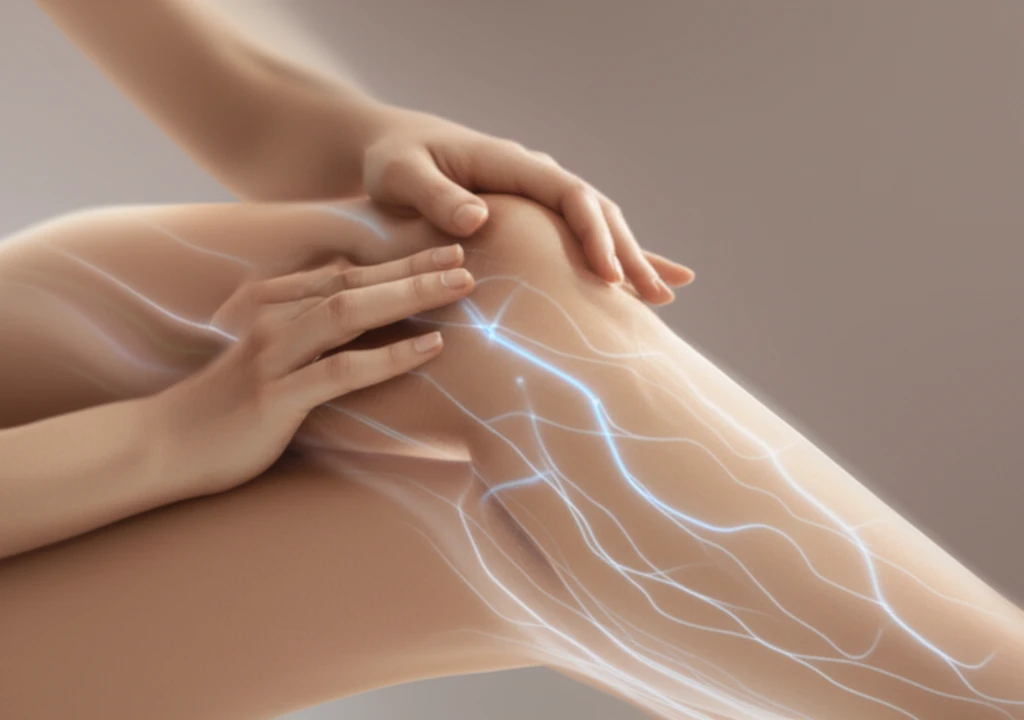
Lymphedema Relief: Comparing Endermologie and Decongestive Therapy

"A head-to-head study reveals which technique offers better results for post-mastectomy lymphedema."
Lymphedema, or arm swelling, is a common and challenging issue for many women after mastectomy. It occurs when the lymphatic system is disrupted, leading to fluid accumulation in the arm. Finding effective treatments to reduce swelling and improve arm function is crucial for these women's quality of life.
Decongestive Lymphatic Therapy (DLT) is a well-established approach that combines skin care, manual lymphatic drainage, exercise, and compression therapy. It's considered a standard treatment, but researchers are always exploring new options to improve outcomes.
Endermologie, a machine-assisted massage technique, has emerged as a potential alternative. This method uses rollers and controlled suction to mobilize tissue. A recent study investigated whether Endermologie could offer comparable or even superior results to DLT in managing post-mastectomy lymphedema.
Endermologie vs. DLT: Which Treatment Reduces Lymphedema More Effectively?
The study involved forty women who had developed lymphedema after breast cancer treatment. They were divided into two groups: one receiving Endermologie and the other receiving DLT. The Endermologie group had treatments four days a week for four weeks. Both groups also received skin care, pneumatic compression therapy, short-stretch bandaging, and exercise.
- Limb Volume Reduction: The Endermologie group showed a significantly greater reduction in limb volume compared to the DLT group (p < 0.001).
- Pain Reduction: Endermologie also led to a more significant decrease in pain levels compared to DLT (p < 0.001).
- Improved Range of Motion: Women in the Endermologie group experienced greater improvements in shoulder flexion and abduction compared to those in the DLT group (p < 0.001).
The Future of Lymphedema Management: Is Endermologie the Answer?
This study offers promising evidence for the use of Endermologie as a safe and effective treatment for post-mastectomy lymphedema. It suggests that Endermologie may provide superior outcomes compared to DLT, the current standard of care.
While Endermologie shows promise, it's important to remember that lymphedema treatment should be tailored to the individual. A combination of therapies might be the best approach for some women.
Further research is needed to explore the long-term effects of Endermologie and to identify which patients are most likely to benefit from this technique. However, these findings offer hope for women seeking relief from the challenges of post-mastectomy lymphedema.