
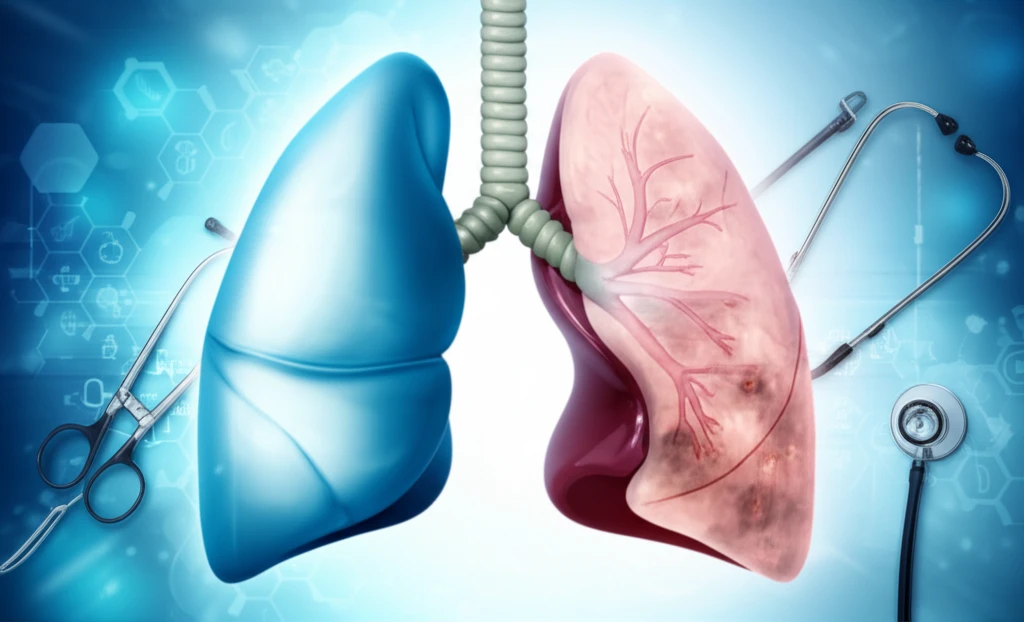
Lung Transplant Breakthrough: New Insights into Post-Surgery Complications and Survival

"Revolutionizing Lung Transplant Care: A Deep Dive into Infection Risks, Patient Outcomes, and Survival Rates."
Lung transplantation, a life-saving procedure for individuals with severe lung diseases, has seen significant advancements in recent years. However, the journey doesn't end with the surgery. Post-transplant complications, such as infections and other lung-related issues, can significantly impact a patient's recovery and long-term survival. Understanding these risks is crucial for improving patient care and outcomes.
This article delves into recent research that sheds light on the challenges faced by lung transplant recipients. We explore the impact of airway colonization, antibiotic resistance, and other post-operative complications on patient health. Our focus is on providing clear, accessible information to both patients and healthcare professionals.
We'll examine specific studies that offer critical insights into factors affecting lung transplant success, including infection risks and strategies to improve patient survival. We will unpack complex medical findings into understandable, actionable information. This will help inform patients and medical professionals and will lead to better decision-making and improved patient care.
Decoding the Challenges: Key Complications After Lung Transplantation
Several factors can complicate the recovery process after a lung transplant. One of the most significant is the risk of infection. Patients are vulnerable to various infections due to immunosuppressant medications that prevent organ rejection. Additionally, issues like primary graft dysfunction (PGD), which affects the newly transplanted lung's ability to function, can arise.
- Infections: Bacterial, viral, and fungal infections are common post-transplant.
- Primary Graft Dysfunction (PGD): Immediate lung dysfunction post-surgery.
- Airway Complications: Issues affecting the airways of the new lung.
- Bronchiolitis Obliterans Syndrome (BOS): Chronic rejection leading to airway narrowing.
Looking Ahead: Improving Outcomes in Lung Transplantation
The ongoing research in lung transplantation is providing valuable insights into improving patient outcomes. By understanding the risks associated with pre-existing conditions, post-operative complications, and the impact of various interventions, healthcare professionals can develop more effective strategies for managing patients. This includes refining screening processes, optimizing immunosuppressive therapies, and developing targeted treatments for infections and other complications. With continued advancements in research and clinical practice, the future of lung transplantation looks promising, offering hope for improved quality of life and increased survival rates for countless individuals.