
Lung Bugs Unite! How Microbial Social Networks Impact Cystic Fibrosis

"Unmasking the surprising ways bacteria, fungi, and viruses cooperate (and compete!) in the CF lung and how it could change treatment."
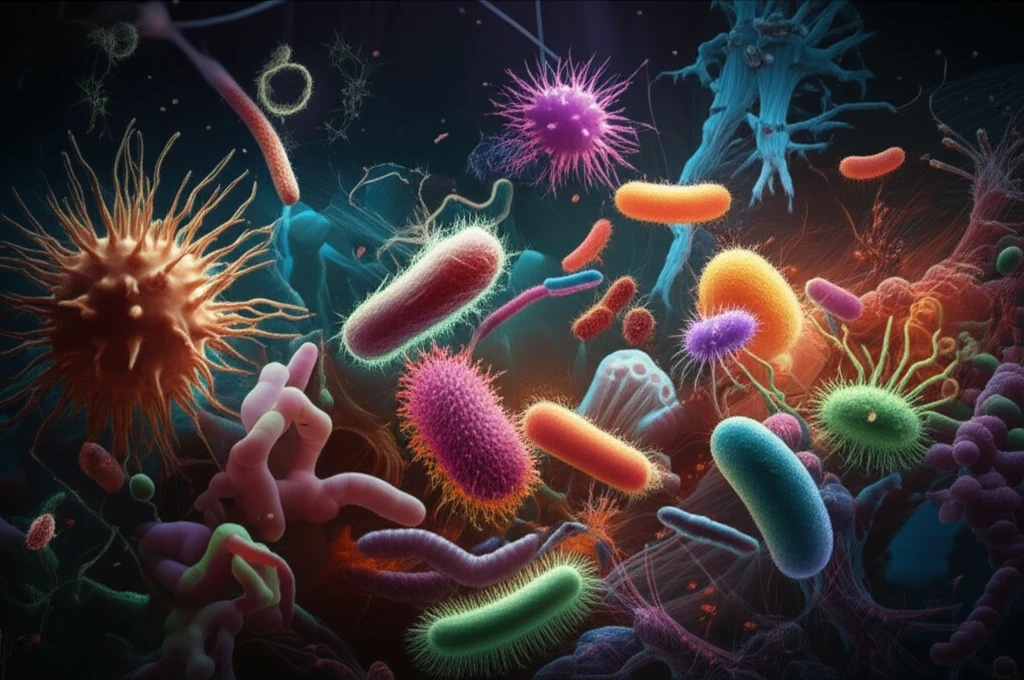
Cystic fibrosis (CF) is more than just a genetic disease; it's an ongoing struggle against persistent lung infections. Pseudomonas aeruginosa, a major pathogen in CF lungs, doesn't act alone. Instead, it exists within a complex community of bacteria, fungi, and viruses, creating a dynamic 'social network' of microbes.
This microscopic metropolis is far from peaceful. Microbes interact, compete, and even cooperate, significantly influencing the course of CF lung disease. Understanding these interactions is crucial because they can either worsen the infection, increase antibiotic resistance, or even offer new targets for treatment.
We'll dive into how these interactions, particularly those involving P. aeruginosa, shape the CF lung environment. We'll focus on key traits like phenazine production, biofilm formation, and iron acquisition, exploring how these 'social' behaviors impact the health of CF patients and the potential for innovative therapies.
Decoding Microbial Interactions: Why "Social" Traits Matter
Chronic P. aeruginosa infections in CF often lead to bacteria adapting and changing their behavior such as turning into mucoid form and losing motility. While it appears the bacteria is weakening, this loss of some abilities does not mean loss of virulence. The germs that survive are diverse, which is why it is important to understand the cause and affect of these changes.
- Phenazine Production: These compounds have broad-spectrum antibiotic properties and play roles in virulence. P. aeruginosa secretes several types of phenazines, including pyocyanin, which can trigger inflammation and oxidative stress in the lung. It can also help the organism thrive.
- Biofilm Formation: The growth and persistence of P. aeruginosa in CF lungs is largely due to biofilms. Biofilms increase antibiotic resistance and protect against the host immune system. Interactions with other microbes can either promote or inhibit biofilm formation.
- Iron Acquisition: Iron is an essential nutrient, but it's scarce in the CF lung. P. aeruginosa produces siderophores, molecules that scavenge iron. This creates an environment where other germs have to compete, indirectly shaping iron-uptake strategies in P. aeruginosa.
The Future of CF Treatment: Harnessing the Power of Community
The evidence is clear: interactions within the CF lung can change the properties of P. aeruginosa in the short term, and shape the trajectory of this pathogen in the long term. As we improve on the individual microbe we will gain on the whole community and what the impact will be for the health and safety in people.
By manipulating the microbiome, it may be possible to prevent initial colonization of recognized pathogens, or replace pathogens with commensal communities. This approach has already proven successful in treating gut infections, and could be revolutionary for CF.
The challenge now is to find out what a 'normal' or 'healthy' lung community looks like for individuals with CF, which will allow us to target our therapeutics. This will help tailor the treatment to the right microbes and their interaction.