
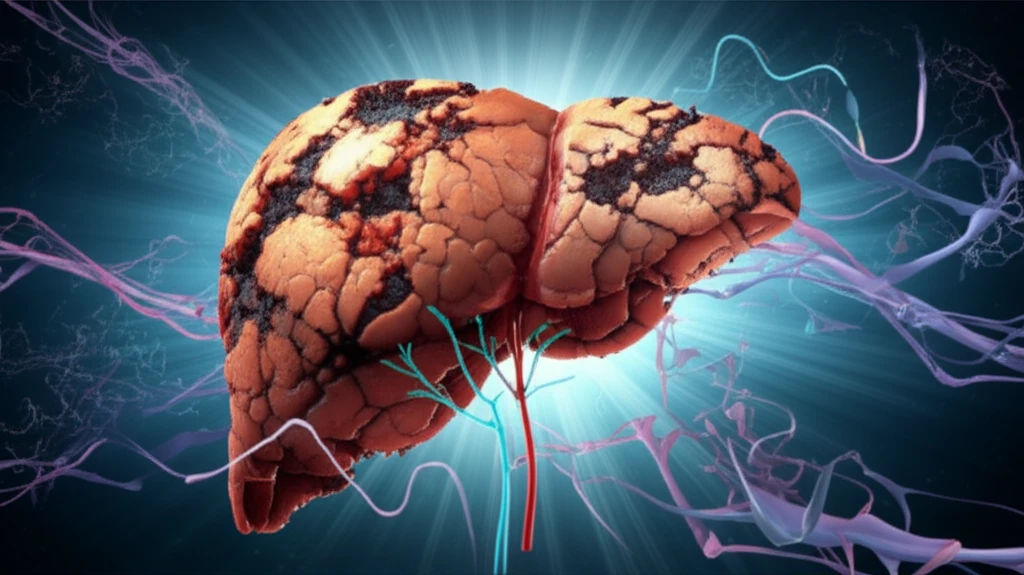
Liver Reperfusion Injury: Understanding the Damage and Exploring Protective Strategies

"Uncover the mechanisms behind hepatic ischemia-reperfusion injury and how targeted protein modulation may hold the key to safeguarding liver health."
Liver ischemia-reperfusion (I/R) injury is an unavoidable complication during liver surgery, significantly impacting liver function and patient survival. This injury occurs when blood supply to the liver is interrupted and then restored, leading to a cascade of cellular damage.
Researchers are actively investigating ways to minimize I/R injury, focusing on identifying protective substances and understanding the underlying mechanisms. By examining protein expression patterns in damaged liver cells, scientists hope to find new therapeutic targets.
This article delves into a study analyzing proteomic changes during the acute phase of hepatic I/R injury in mice, providing valuable insights into the molecular events driving liver damage.
Decoding Proteomic Changes in Hepatic Ischemia-Reperfusion Injury
A study was conducted to identify proteins that are differentially expressed in mice livers subjected to ischemia-reperfusion (I/R) injury, comparing them to healthy control livers. The experiment involved inducing hepatic ischemia for one hour, followed by a three-hour reperfusion period before tissue analysis. Significant increases in serum levels of alanine aminotransferase (ALT) and aspartate aminotransferase (AST) – key indicators of liver damage – were observed in the I/R-injured animals.
- Glutaredoxin-3
- Peroxiredoxin-3
- Glyoxalase I
- Spermidine synthase
- Dynamin-1-like protein
- Annexin A4
- Eukaryotic initiation factor 3
- Eukaryotic initiation factor 4A-1
- 26S proteasome
- Proteasome alpha 1
- Proteasome beta 4
Implications and Future Directions
This study provides valuable insights into the complex molecular mechanisms underlying hepatic ischemia-reperfusion injury. By identifying key proteins involved in the injury process, researchers can focus on developing targeted therapies to protect the liver during surgical procedures and improve patient outcomes. Further research is needed to fully elucidate the role of these proteins and to explore potential therapeutic interventions.