
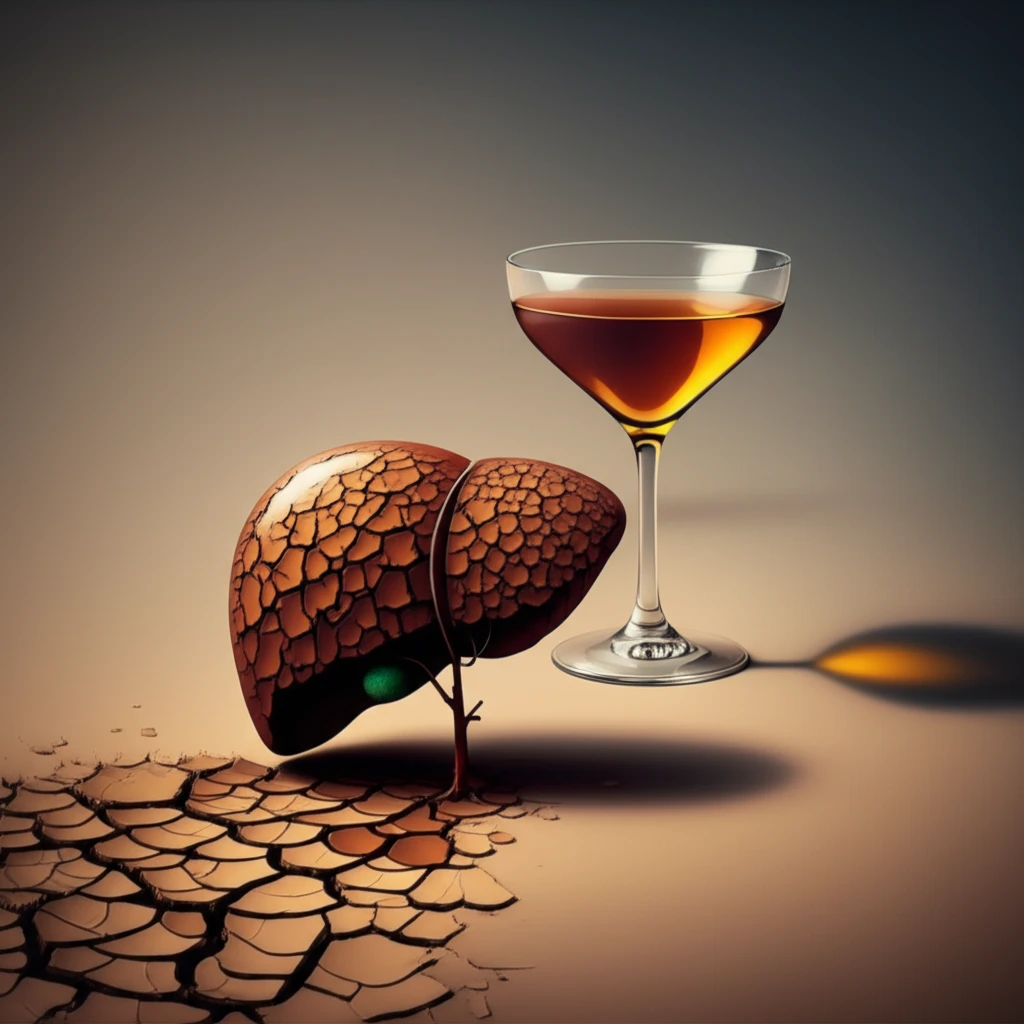
Surreal image of a cracked earth liver with a cocktail glass shadow, symbolising alcohol's danger to liver health.

Liver Health SOS: Are Your Drinks Hiding a Dangerous Secret?

"New research reveals the impact of alcohol on liver enzymes and blood clotting, urging awareness and proactive health checks."


Alcohol's impact extends far beyond just a night out; it's a significant contributor to global disease, disability, and mortality. Excessive alcohol use is a major public health concern, responsible for millions of premature deaths worldwide. Understanding how alcohol affects your body, especially your liver and blood, is crucial for making informed decisions about your health.

A recent study conducted in Port Harcourt, Nigeria, sheds light on the specific effects of alcohol consumption on liver enzymes and coagulation parameters. The study involved 200 adults, including both regular alcohol drinkers and non-drinkers, providing valuable insights into the physiological impacts of alcohol.

This article breaks down the key findings of the study, explaining what it means for your liver health and blood's ability to clot. We'll explore the specific liver enzymes affected, how alcohol impacts blood coagulation, and what steps you can take to protect yourself. The information will help you to understand the importance of early detection, lifestyle adjustments, and responsible consumption.

How Does Alcohol Affect Your Liver and Blood Clotting?

Surreal image of a cracked earth liver with a cocktail glass shadow, symbolising alcohol's danger to liver health.

The study revealed that chronic alcohol consumption has a significant impact on liver enzymes. Specifically, the liver enzymes aspartate aminotransferase (AST) and gamma glutamyl transferase (GGT) were significantly higher in chronic alcohol consumers compared to non-drinkers. While alanine aminotransferase (ALT) was also elevated in drinkers, the difference was not statistically significant. These elevated enzyme levels are indicators of liver damage, potentially leading to long-term health issues.

Beyond liver enzymes, the research also examined the effects of alcohol on blood coagulation. Prothrombin time (PT) and activated partial thromboplastin time (APTT), which measure how long it takes blood to clot, were significantly higher in chronic alcohol drinkers. This means that alcohol consumption can impair the body's ability to form blood clots, potentially increasing the risk of bleeding disorders.

Here's a quick breakdown of the key findings:
  • AST and GGT liver enzymes were significantly elevated in chronic alcohol drinkers.
  • Prothrombin Time (PT) was higher.
  • Activated Partial Thromboplastin Time (APTT) was also higher.
  • This indicates reduced blood clotting ability.
The study also found a positive correlation between liver enzyme levels (GGT and AST) and prothrombin time among alcohol consumers. This suggests a direct relationship between liver damage and impaired blood clotting ability. As liver function declines due to alcohol consumption, the body's ability to produce clotting factors decreases, further increasing the risk of bleeding.

What Can You Do to Protect Your Liver and Blood Health?

The findings from this study underscore the importance of responsible alcohol consumption and regular health check-ups. Being aware of the potential risks associated with alcohol is the first step toward protecting your liver and blood health. If you are a regular alcohol consumer, consider reducing your intake or abstaining altogether to minimize the risk of liver damage and impaired blood clotting.

Early detection is key. Regular liver enzyme tests and coagulation tests can help identify potential problems before they become severe. Talk to your doctor about incorporating these tests into your routine health screenings, especially if you have a history of alcohol consumption or other risk factors for liver disease.

Beyond individual actions, there's a need for broader public health initiatives to address alcohol-related harm. Stricter regulations on alcohol production and distribution, coupled with increased public awareness campaigns, can help reduce harmful alcohol use and protect vulnerable populations. By working together, we can create a healthier and safer environment for everyone.

About this Article -

This article was crafted using a human-AI hybrid and collaborative approach. AI assisted our team with initial drafting, research insights, identifying key questions, and image generation. Our human editors guided topic selection, defined the angle, structured the content, ensured factual accuracy and relevance, refined the tone, and conducted thorough editing to deliver helpful, high-quality information.See our About page for more information.

This article is based on research published under:

DOI-LINK: 10.2147/ijgm.s43472, Alternate LINK

Title: Evaluation Of Coagulation Parameters And Liver Enzymes Among Alcohol Drinkers In Port Harcourt, Nigeria

Subject: General Medicine

Journal: International Journal of General Medicine

Publisher: Informa UK Limited

Authors: Osaro Erhabor, Teddy Adias, Egerton

Published: 2013-06-01

Everything You Need To Know

1

What specific liver enzymes were affected by alcohol consumption, and what do these changes mean?

The study found that alcohol consumption elevates the liver enzymes aspartate aminotransferase (AST) and gamma glutamyl transferase (GGT) significantly. These enzymes are indicators of liver damage. While alanine aminotransferase (ALT) was also elevated in drinkers, the difference was not statistically significant. The elevated levels of these enzymes suggest that the liver is under stress and potentially suffering damage due to alcohol's effects. This damage can lead to long-term health issues if not addressed.

2

How does alcohol affect blood clotting, according to this research?

Chronic alcohol consumption was linked to prolonged Prothrombin Time (PT) and Activated Partial Thromboplastin Time (APTT). These parameters measure how long it takes for blood to clot. Elevated PT and APTT mean that the blood takes longer to clot, which increases the risk of excessive bleeding. This impairment is due to alcohol's effects on the liver's ability to produce clotting factors, which are essential for blood coagulation.

3

What are the implications of elevated AST and GGT levels in the context of the study?

The liver enzymes aspartate aminotransferase (AST) and gamma glutamyl transferase (GGT) are crucial markers of liver health. Elevated levels of AST and GGT indicate liver damage. This damage can result from alcohol-induced inflammation and injury to liver cells. Measuring these enzymes allows healthcare professionals to assess the extent of liver damage and guide appropriate interventions. Early detection and lifestyle adjustments can help prevent progression to more severe conditions.

4

Why are Prothrombin Time (PT) and Activated Partial Thromboplastin Time (APTT) important in this context?

Prothrombin Time (PT) and Activated Partial Thromboplastin Time (APTT) are tests used to assess blood clotting. Prolonged PT and APTT, as seen in alcohol consumers, indicate that the blood takes longer to clot. This delay is significant because it elevates the risk of bleeding disorders, which can be dangerous. These tests provide important insights into how alcohol impairs the body's natural ability to stop bleeding, highlighting the importance of responsible alcohol consumption.

5

What is the connection between liver damage and blood clotting as highlighted by the study?

The study reveals a direct relationship between liver damage and impaired blood clotting due to alcohol. As the liver function declines, it produces fewer clotting factors, thus increasing PT and APTT. This means that when the liver is damaged from alcohol consumption, it can no longer produce the necessary clotting factors for blood to clot effectively, increasing the risk of bleeding disorders. Therefore, protecting the liver through responsible consumption is essential for maintaining healthy blood coagulation.

Newsletter Subscribe

Subscribe to get the latest articles and insights directly in your inbox.