
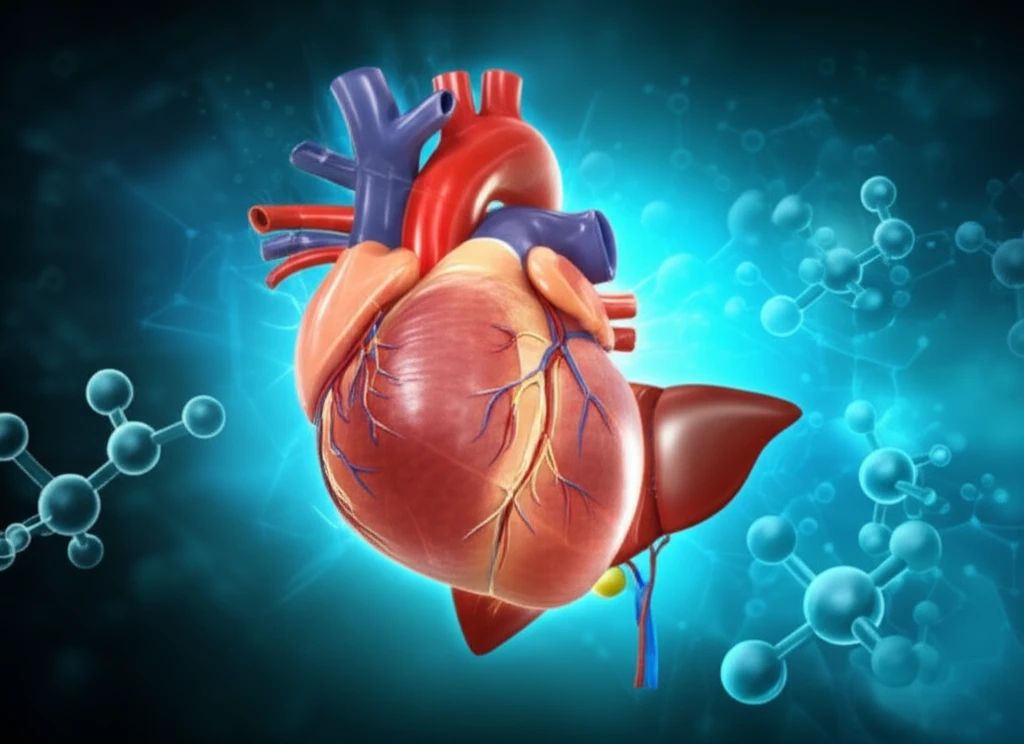
Digital illustration of a heart and liver connected, symbolizing the relationship between liver health and diabetes.

Liver Health and Diabetes: Unveiling the Hidden Connection and Taking Control

"New research reveals the link between liver health, type 2 diabetes, and a surprising culprit: NT-proBNP. Discover how to safeguard your liver and manage diabetes effectively."


In the bustling world of health and wellness, the liver often plays the unsung hero. This vital organ, responsible for filtering toxins, metabolizing nutrients, and maintaining overall balance, is increasingly under threat. Simultaneously, the prevalence of type 2 diabetes (T2D) continues to surge, affecting millions worldwide. But what if these two seemingly distinct health challenges were more connected than we thought?

Recent research has uncovered a surprising link between liver health and type 2 diabetes, highlighting the role of a biomarker called N-terminal pro-brain natriuretic peptide (NT-proBNP). This article explores the critical connection between liver health, T2D, and NT-proBNP, providing insights into the potential risks and, importantly, actionable steps you can take to safeguard your liver and manage your diabetes more effectively.

This isn't just about medical jargon; it's about empowering you with knowledge to make informed decisions about your health. We will break down the science, explore the implications, and provide a clear roadmap to understanding and addressing the hidden connection between your liver and your diabetes.

The Liver-Diabetes Link: Understanding the Hidden Connection

Digital illustration of a heart and liver connected, symbolizing the relationship between liver health and diabetes.

Non-alcoholic fatty liver disease (NAFLD) is a condition characterized by the buildup of excess fat in the liver, unrelated to alcohol consumption. This condition is increasingly common, particularly among individuals with T2D. NAFLD can range from a mild, often harmless, condition to a more severe form called non-alcoholic steatohepatitis (NASH), which can lead to liver damage, cirrhosis, and even liver cancer. The presence of NAFLD in those with T2D is associated with a higher risk of cardiovascular disease (CVD), making the link between these two conditions a critical area of focus.

NT-proBNP, a protein released by the heart, has traditionally been used to diagnose and monitor heart failure. However, emerging research suggests that NT-proBNP levels may also be linked to liver health. This study suggests that lower levels of NT-proBNP are associated with higher levels of liver fat in T2D patients. This could indicate that NP deficiency may play a role in the development of NAFLD in T2D.

  • Increased Cardiovascular Risk: NAFLD is associated with a higher risk of heart disease, which is also a significant concern for individuals with T2D.
  • Insulin Resistance: NAFLD often goes hand in hand with insulin resistance, a hallmark of T2D, making it harder for the body to regulate blood sugar.
  • Inflammation: Both NAFLD and T2D involve chronic inflammation, which can worsen both conditions and contribute to other health problems.
  • Metabolic Dysfunction: Both conditions can disrupt the body's metabolism, affecting how it processes fats, sugars, and other nutrients.
The study reveals that reduced levels of NT-proBNP are independently associated with high liver fat content in patients with T2D. The study suggests that NP deficiency may play a role in the development of NAFLD in T2D. This research underscores the need to consider liver health in the context of diabetes management, offering new insights into potential pathways and targets for intervention.

Taking Action: Protecting Your Liver and Managing Diabetes

This research emphasizes the interconnectedness of liver health and diabetes. By understanding the risks and taking proactive steps, you can significantly improve your health outcomes. Remember to consult your healthcare provider for personalized advice and treatment. With the right knowledge and actions, you can empower yourself to manage both your liver health and your diabetes effectively.

About this Article -

This article was crafted using a human-AI hybrid and collaborative approach. AI assisted our team with initial drafting, research insights, identifying key questions, and image generation. Our human editors guided topic selection, defined the angle, structured the content, ensured factual accuracy and relevance, refined the tone, and conducted thorough editing to deliver helpful, high-quality information.See our About page for more information.

This article is based on research published under:

DOI-LINK: 10.1016/j.diabet.2018.11.003, Alternate LINK

Title: Low N-Terminal Pro-Brain Natriuretic Peptide Levels Are Associated With Non-Alcoholic Fatty Liver Disease In Patients With Type 2 Diabetes

Subject: Endocrinology

Journal: Diabetes & Metabolism

Publisher: Elsevier BV

Authors: M.L. Johansen, M. Schou, J. Rasmussen, P. Rossignol, M.R. Holm, E. Chabanova, F. Dela, J. Faber, C. Kistorp

Published: 2019-10-01

Everything You Need To Know

1

What is the connection between type 2 diabetes and liver health?

Research indicates a significant connection between type 2 diabetes (T2D) and liver health, particularly concerning Non-alcoholic fatty liver disease (NAFLD). NAFLD, characterized by excess fat buildup in the liver, is highly prevalent in individuals with T2D. Furthermore, the presence of NAFLD in those with T2D elevates the risk of cardiovascular disease (CVD). This intricate link underscores the importance of considering liver health in diabetes management. One key piece of the puzzle is NT-proBNP, a protein traditionally linked to heart health, that new research suggests may also be an indicator of liver health. This connection highlights that managing diabetes effectively involves considering and addressing potential liver issues.

2

What is NAFLD, and how does it relate to diabetes?

Non-alcoholic fatty liver disease (NAFLD) is a condition where excess fat accumulates in the liver, unrelated to alcohol consumption. It's increasingly common, especially among individuals with type 2 diabetes (T2D). NAFLD can range from mild to severe, with the more severe form being non-alcoholic steatohepatitis (NASH), which can lead to liver damage and other complications. The presence of NAFLD in people with T2D is associated with higher cardiovascular risks, insulin resistance, inflammation, and metabolic dysfunction, making the link between these two conditions a critical area of health concern.

3

What is NT-proBNP, and what does it tell us about the link between liver health and type 2 diabetes?

NT-proBNP (N-terminal pro-brain natriuretic peptide) is a protein released by the heart, traditionally used to diagnose and monitor heart failure. Emerging research now suggests that lower levels of NT-proBNP may be associated with higher levels of liver fat in individuals with type 2 diabetes (T2D). This could indicate that an NT-proBNP deficiency might play a role in the development of Non-alcoholic fatty liver disease (NAFLD) in T2D patients. While the exact mechanisms are still being studied, this finding highlights the interconnectedness of cardiovascular and liver health in the context of diabetes.

4

If someone has both type 2 diabetes and NAFLD, what are the potential health risks?

Having both type 2 diabetes (T2D) and Non-alcoholic fatty liver disease (NAFLD) significantly elevates certain health risks. One major concern is an increased risk of cardiovascular disease (CVD). Additionally, the combination often leads to worsened insulin resistance, making blood sugar regulation more challenging. Both conditions also contribute to chronic inflammation and metabolic dysfunction, which can further exacerbate health problems. It is important to manage both T2D and NAFLD proactively to minimize these combined risks, and monitoring NT-proBNP could give further insights.

5

What proactive steps can individuals with type 2 diabetes take to protect their liver health?

Individuals with type 2 diabetes (T2D) can take several proactive steps to protect their liver health. Since NAFLD is closely linked to T2D, managing blood sugar levels effectively through diet, exercise, and medication is crucial. Adopting a healthy lifestyle, including a balanced diet low in saturated fats and regular physical activity, can help reduce liver fat. Monitoring NT-proBNP levels as part of a comprehensive health assessment may also provide valuable insights. Consulting with a healthcare provider for personalized advice and treatment is also essential. These steps, combined with an understanding of the interplay between T2D and NAFLD, empower individuals to take control of their health.

Newsletter Subscribe

Subscribe to get the latest articles and insights directly in your inbox.