
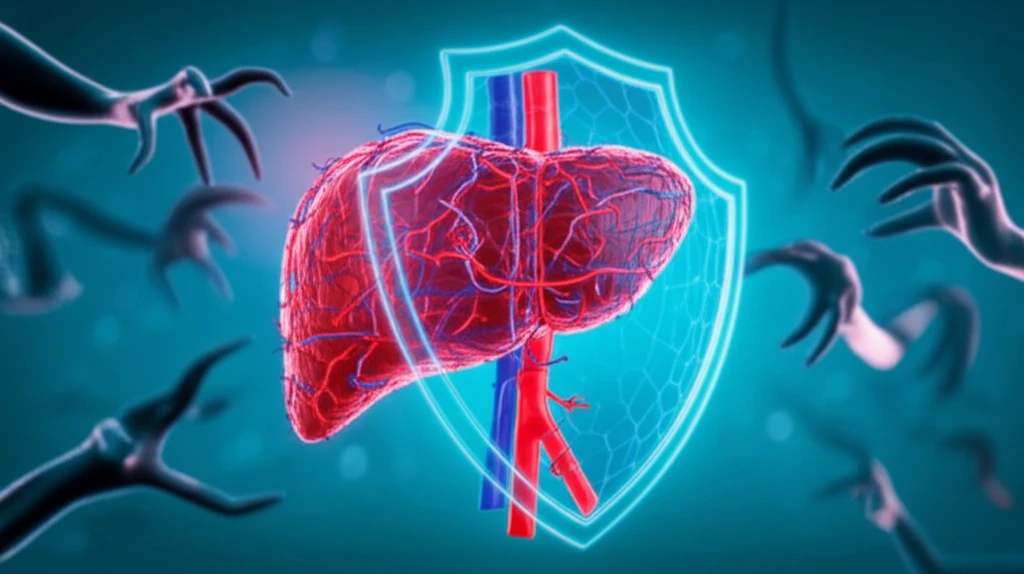
Stylized liver protected from ischemia-reperfusion injury

Liver Damage Decoded: How Ischemia-Reperfusion Injury Impacts Your Health

"Unveiling the Proteomic Changes Behind Liver Ischemia and Reperfusion"


The liver, a vital organ responsible for detoxification, metabolism, and numerous other critical functions, is surprisingly vulnerable to a condition known as ischemia-reperfusion (I/R) injury. This occurs when blood flow to the liver is interrupted, such as during surgery or transplantation, followed by the restoration of blood supply. While the return of blood is necessary for survival, it paradoxically causes further damage to the liver cells.

Think of it like this: imagine a garden deprived of water for a period. When you finally water it, the sudden rush can overwhelm the parched soil and damage the roots. Similarly, in the liver, the initial lack of oxygen (ischemia) followed by the influx of oxygenated blood (reperfusion) triggers a cascade of harmful processes. This can lead to serious liver dysfunction, failure, and even increase the risk of complications during liver surgeries.

Understanding the mechanisms behind I/R injury is crucial for developing strategies to protect the liver. Recent research has focused on identifying the specific proteins that are affected during this process, paving the way for targeted treatments. This article delves into a groundbreaking study that explores these proteomic changes, offering insights into how we can better safeguard our liver health.

What Happens During Ischemia-Reperfusion Injury?

Stylized liver protected from ischemia-reperfusion injury

During liver surgery, the blood flow is blocked for a period of time. After surgery or during a liver transplant, blood rushes back into the liver. This two-stage process causes an inflammatory cascade within the organ.

When blood flow to the liver is cut off (ischemia), liver cells are starved of oxygen and nutrients. This leads to a buildup of toxic substances and a disruption of normal cellular processes. Then, when blood flow is restored (reperfusion), the sudden influx of oxygen triggers the production of harmful free radicals and intensifies the inflammatory response. This combined assault damages liver cells, leading to dysfunction and potential failure.

Here’s a breakdown of what occurs:
  • Ischemia (Blood Flow Blockage): Oxygen deprivation leads to ATP depletion, ion imbalances, and cellular damage.
  • Reperfusion (Restoration of Blood Flow): A surge of oxygen triggers free radical production and an intense inflammatory response.
  • Cellular Damage: Liver cells undergo necrosis (cell death) and apoptosis (programmed cell death), leading to organ dysfunction.
Researchers are investigating specific proteins that change during I/R. This helps in finding ways to lessen its effects and improve results for people going through liver procedures.

The Future of Liver Protection

By identifying specific proteins involved in I/R injury, researchers hope to develop targeted therapies to protect the liver during surgery and transplantation. These therapies could involve antioxidant treatments to combat free radicals, anti-inflammatory agents to reduce the immune response, or strategies to enhance the liver cells' resilience to oxygen deprivation. Ultimately, a deeper understanding of the proteomic changes during I/R injury will pave the way for better outcomes and improved liver health for patients worldwide.

About this Article -

This article was crafted using a human-AI hybrid and collaborative approach. AI assisted our team with initial drafting, research insights, identifying key questions, and image generation. Our human editors guided topic selection, defined the angle, structured the content, ensured factual accuracy and relevance, refined the tone, and conducted thorough editing to deliver helpful, high-quality information.See our About page for more information.

Everything You Need To Know

1

What exactly is ischemia-reperfusion injury and why should I be concerned about it?

Ischemia-reperfusion injury happens when the liver's blood supply is cut off, like during surgery, which is followed by the blood flow returning to the liver. The lack of oxygen during ischemia and the sudden rush of blood during reperfusion can both harm liver cells. Understanding this process is important because it can cause liver dysfunction or failure and increases the risk of complications during liver surgeries. More research is being done to find specific proteins that are affected during ischemia-reperfusion injury, to develop targeted treatments.

2

Can you explain what happens to the liver when blood flow is cut off and then restored?

During ischemia, the liver cells don't get enough oxygen, which leads to a buildup of toxic substances and disrupts how cells normally work. When reperfusion occurs, there's a sudden increase of oxygen that creates harmful free radicals and causes a strong inflammatory response. These events can cause liver cells to die through necrosis and apoptosis, which results in organ dysfunction.

3

What are the specific steps involved in ischemia-reperfusion injury, from start to finish?

The main steps of ischemia-reperfusion injury are ischemia, reperfusion, and cellular damage. During ischemia, oxygen deprivation leads to ATP depletion, ion imbalances, and cellular damage. Reperfusion involves a surge of oxygen that triggers free radical production and an intense inflammatory response. This all culminates in cellular damage, where liver cells undergo necrosis and apoptosis, leading to organ dysfunction.

4

How can understanding ischemia-reperfusion injury lead to better treatments for liver protection?

Identifying specific proteins involved in ischemia-reperfusion injury can lead to the development of targeted therapies to protect the liver during surgery and transplantation. For example, treatments using antioxidant can combat free radicals or anti-inflammatory agents to reduce the immune response. Also, strategies to enhance the liver cells' resilience to oxygen deprivation can also be used. All these treatments aims to improve liver health for patients.

5

Why is the liver so vulnerable to ischemia-reperfusion injury in the first place?

The liver is vulnerable to ischemia-reperfusion injury because of its vital role in detoxification, metabolism, and other critical functions. When the blood flow is interrupted, as happens during surgery, the subsequent restoration of blood flow can paradoxically cause further damage. The sudden rush of blood overwhelms the liver cells, triggering a cascade of harmful processes and leading to serious issues, and the potential for liver failure.

Newsletter Subscribe

Subscribe to get the latest articles and insights directly in your inbox.