
Liquid Biopsies: The Future of Brain Tumor Diagnosis?

"Discover how liquid biopsies are revolutionizing brain tumor diagnosis and treatment monitoring, offering a less invasive approach with potentially greater insights."
The standard methods for monitoring and diagnosing central nervous system tumors may soon be revolutionized by minimally invasive techniques. A promising method for establishing diagnoses and tracking treatment response is the liquid biopsy, which involves sampling blood or cerebrospinal fluid.
The traditional method of evaluating how tumors respond to treatment depends heavily on neuroimaging. However, it can be challenging to correlate therapeutic response with imaging results because the intervention could impact the imaging characteristics of the tumor. For example, chemoradiation may result in increased contrast enhancement, a phenomenon known as pseudoprogression, which indicates changes to the local blood-brain barrier or radiation necrosis. Conversely, antiangiogenic drugs can alter the permeability of tumor vasculature and reduce contrast enhancement without actually reducing the disease burden.
Liquid biopsies are especially interesting for glioblastoma (GBM) tumors for a few compelling reasons. Unlike many other tumors, the biopsy procedure carries a significant amount of risk. There may be substantial brain swelling in and around the tumor, for instance. Even a small amount of hemorrhage along the biopsy tract could endanger the patient's neurological function or even their life. In addition, brain biopsies are extremely difficult when it comes to obtaining longitudinal samples or prospectively collecting tissue samples repeatedly because of the risk involved with the biopsy itself. It is more difficult to track treatment response, observe clonal evolution to find new susceptibilities or acquired mechanisms of resistance to therapy, and distinguish tumor recurrence from pseudoprogression when longitudinal samples are difficult to obtain.
How Do Liquid Biopsies Work in Brain Tumors?
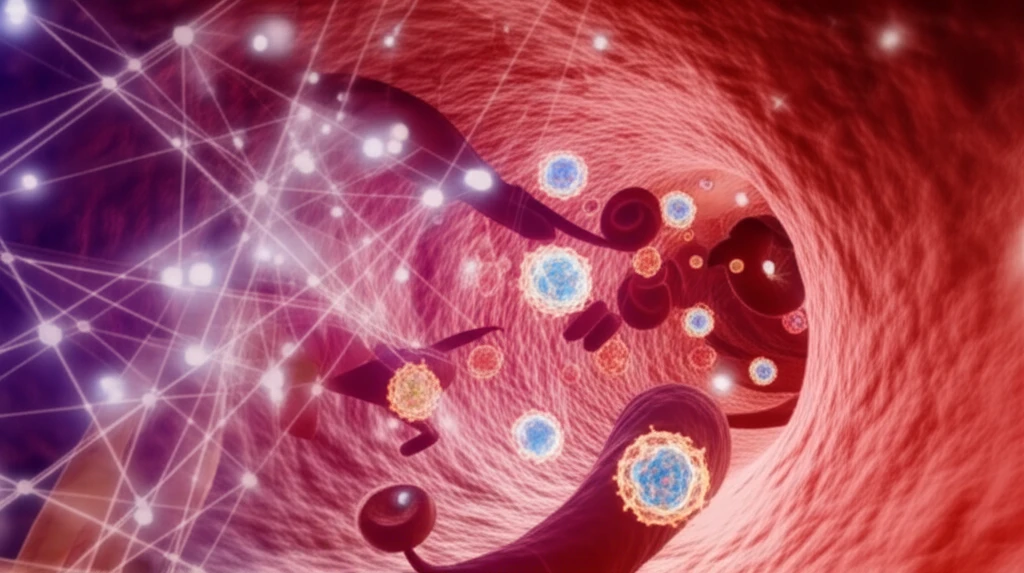
Liquid biopsies analyze circulating tumor cells (CTCs), cell-free nucleic acids, and extracellular vesicles (EVs). These components, found in blood or cerebrospinal fluid, offer insights into the tumor's characteristics without invasive procedures.
- Circulating Tumor Cells (CTCs): These cells, shed from the primary tumor, can reveal genetic mutations and expression patterns, offering a snapshot of the tumor's characteristics.
- Cell-Free Tumor DNA (ctDNA): Analyzing ctDNA can identify tumor-specific mutations and track the tumor's evolution over time. However, technical challenges exist due to the low concentration of nucleic acid in biofluids.
- Extracellular Vesicles (EVs): EVs, including exosomes, transport RNA, DNA, and proteins, providing a comprehensive view of the tumor's molecular profile.
The Future of Liquid Biopsies
Liquid biopsies represent a significant advancement in brain tumor diagnostics, offering a non-invasive method to monitor disease progression and treatment response. As technology advances, these techniques promise to become more refined, providing clinicians with valuable insights for personalized treatment strategies. Future research will focus on improving signal detection, standardizing procedures, and integrating multi-omic data to enhance the accuracy and clinical utility of liquid biopsies. Despite existing challenges, liquid biopsies hold immense potential for transforming brain tumor care, improving patient outcomes through more precise and adaptive treatment approaches.