
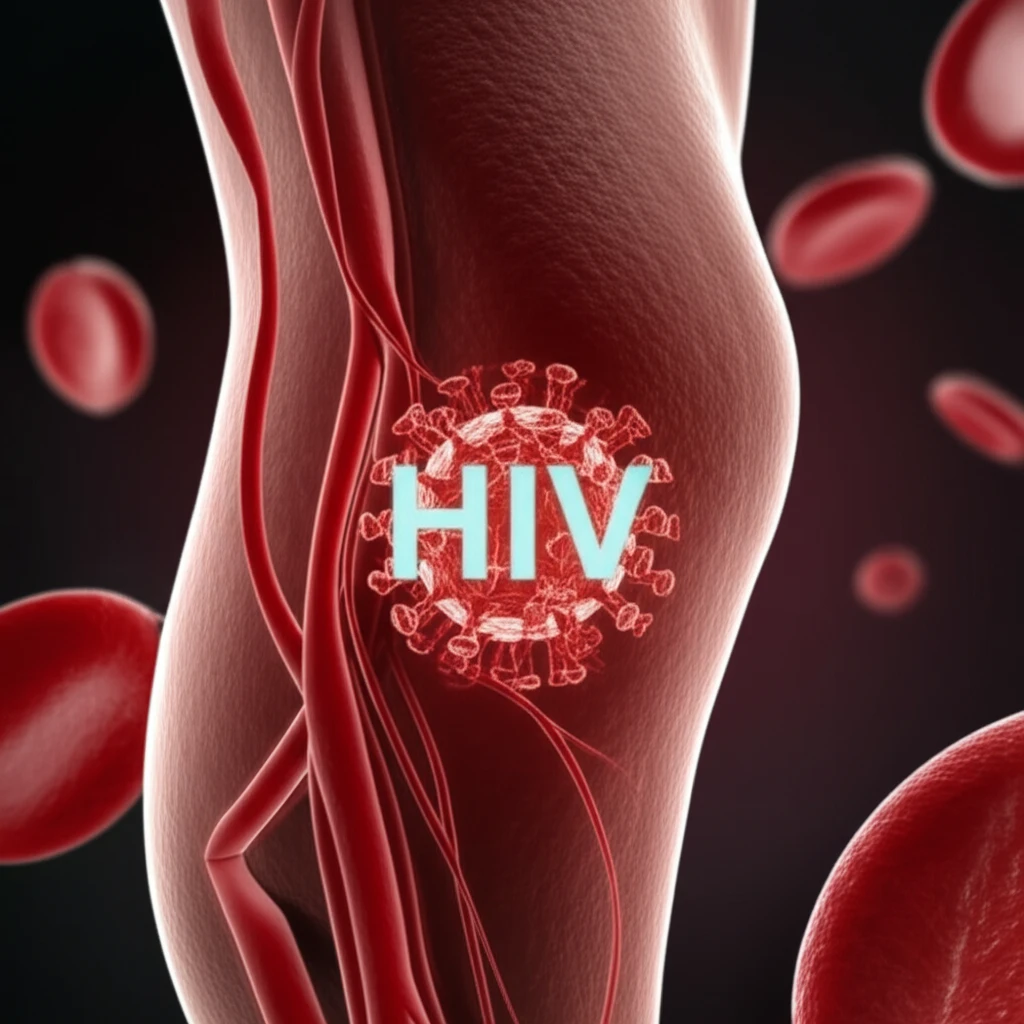
Limb Ischemia & HIV: Recognizing the Connection & Protecting Your Health

"A rare case study highlights the importance of awareness and early intervention for vascular complications in HIV-positive individuals."
While often unexpected, acute limb ischemia can sometimes arise as a complication of vasculitis linked to HIV. This condition involves a sudden reduction in blood flow to the limbs, potentially endangering their viability. A recent case study sheds light on this critical connection, emphasizing the need for heightened awareness and prompt action.
The case focuses on an individual with HIV who developed a severe form of bilateral distal ischemia. This meant reduced blood flow specifically to the lower legs and feet. Key signs included decreased temperature in the affected areas, intense pain, persistent cyanosis (bluish discoloration) of the toes, and a lack of detectable pulses in the feet.
Fortunately, the patient responded positively to thrombolytic therapy, a treatment designed to dissolve blood clots. While some tissue loss occurred in the fingers due to ischemia and subsequent reperfusion injury, the overall circulation in the lower limbs improved significantly. This rare case underscores the importance of recognizing the potential for vasculitis and associated vascular complications in individuals with HIV.
Unveiling the Link: HIV and Vasculitis-Induced Ischemia
Acute limb ischemia arises from a sudden drop in blood supply, threatening the limb. While not common, HIV can trigger vascular issues by directly infecting endothelial cells, or through hypercoagulability (increased clotting). The case study emphasizes the importance of considering vasculitis, characterized by inflammation in blood vessel walls, as a possible cause. Vasculitis accelerates cardiovascular diseases and impacts vessel health.
- Excruciating pain that appears suddenly, or develops more gradually.
- Reduced skin temperature in the affected limb.
- Diminished or absent pulses.
- Cyanosis (bluish discoloration).
- Paresthesia (numbness or tingling).
- Paralysis/ Paresis (weakness).
Takeaway
This case highlights the multifaceted ways HIV can impact a patient's health. It underscores the critical need for clinicians to maintain a broad and comprehensive awareness of potential complications linked to HIV, including rare conditions like vasculitis. Early recognition and aggressive treatment are essential for managing these situations effectively and ensuring the best possible quality of life for patients.