
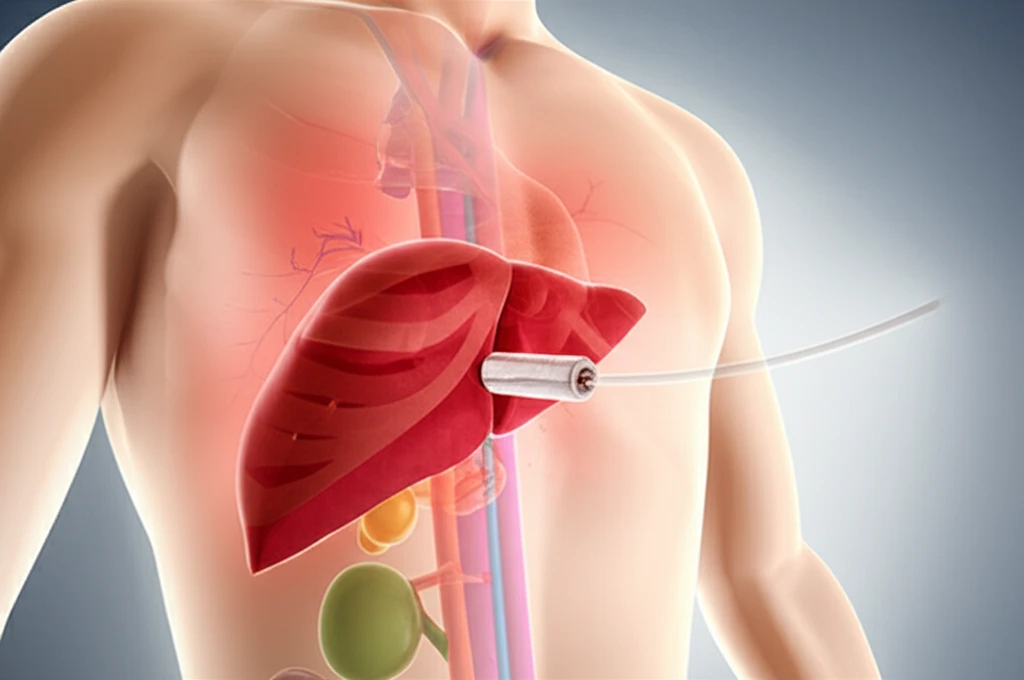
Illustration of a vascular plug closing a chest tube tract in the liver, showcasing medical innovation and patient care.

Life-Saving Innovation: How a Tiny Plug is Revolutionizing Chest Tube Complications

"Discover how a groundbreaking medical procedure is changing the game for patients experiencing chest tube issues, offering hope and improved outcomes."


Medical advancements often come in the form of sophisticated technology, but sometimes, the most significant breakthroughs are elegant in their simplicity. This is certainly the case with a new procedure that uses a specialized vascular plug to address complications arising from chest tubes. These tubes, essential for draining fluids and gases from the chest, can sometimes lead to unexpected issues, but this innovative technique is offering a beacon of hope to those affected.

The use of chest tubes is a routine part of many medical procedures, from lung surgeries to treating infections. While generally safe, they can occasionally cause problems, such as inadvertently penetrating the liver or other organs. This is where the vascular plug comes in, offering a minimally invasive solution that dramatically improves patient outcomes.

In this article, we delve into the innovative use of the Amplatzer vascular plug, a device originally designed for other purposes but now showing remarkable promise in resolving chest tube-related complications. We'll explore how this tiny device works, its benefits, and the positive impact it is having on patients' lives. Prepare to be amazed by how such a small intervention can make a world of difference.

Understanding Chest Tubes and Their Complications

Illustration of a vascular plug closing a chest tube tract in the liver, showcasing medical innovation and patient care.

Chest tubes, also known as thoracostomy tubes, are crucial in managing conditions that cause fluid or air to accumulate in the space between the lungs and the chest wall (pleural space). They are used to drain blood, fluid, or air from the chest, allowing the lungs to expand properly. However, as with any medical procedure, complications can arise.

One of the potential complications is misplacement or accidental penetration of nearby organs. This can lead to bleeding or other serious issues. Traditional approaches to resolve such problems may involve further surgery or prolonged hospital stays. The innovative vascular plug procedure offers a less invasive, more efficient alternative.

  • Pneumothorax: Air leaks into the pleural space, causing the lung to collapse.
  • Hemothorax: Blood accumulates in the pleural space.
  • Pleural Effusion: Excess fluid builds up in the pleural space.
  • Tube Malposition: The chest tube is inserted incorrectly or moves to an undesirable location.
  • Organ Damage: The tube accidentally penetrates a nearby organ, such as the liver or heart.
The vascular plug procedure addresses these challenges head-on, offering a targeted approach to seal off the problematic area and prevent further complications. It's a testament to how medical ingenuity continues to evolve, providing better care for patients.

The Future of Chest Tube Management

The introduction of the vascular plug technique marks a significant step forward in patient care. This minimally invasive approach not only reduces the risk of complications but also speeds up recovery times, and improves the overall patient experience. As research continues and the technique becomes more widespread, we can anticipate even more positive impacts on the lives of individuals undergoing chest tube procedures. This innovation underscores the ongoing dedication of the medical community to improve and refine patient care through cutting-edge solutions.

About this Article -

This article was crafted using a human-AI hybrid and collaborative approach. AI assisted our team with initial drafting, research insights, identifying key questions, and image generation. Our human editors guided topic selection, defined the angle, structured the content, ensured factual accuracy and relevance, refined the tone, and conducted thorough editing to deliver helpful, high-quality information.See our About page for more information.

This article is based on research published under:

DOI-LINK: 10.1007/s00270-018-2073-2, Alternate LINK

Title: Use Of Amplatzer Vascular Plug To Embolize Errant Chest Tube Tract In Liver

Subject: Cardiology and Cardiovascular Medicine

Journal: CardioVascular and Interventional Radiology

Publisher: Springer Science and Business Media LLC

Authors: Jong Hyun Byeon, Dong Jae Shim

Published: 2018-11-05

Everything You Need To Know

1

What is the purpose of a chest tube, and what are some common complications associated with its use?

Chest tubes, also known as thoracostomy tubes, are used to drain fluids or air from the pleural space, allowing the lungs to expand properly. Common complications include pneumothorax (air leaks), hemothorax (blood accumulation), pleural effusion (excess fluid), tube malposition, and organ damage, such as accidental penetration of the liver or heart. The Amplatzer vascular plug is a solution for when these complications arise.

2

How does the Amplatzer vascular plug address complications related to chest tubes?

The Amplatzer vascular plug offers a minimally invasive solution to seal off problematic areas caused by chest tube misplacement or organ penetration. Instead of traditional surgery or prolonged hospital stays, the plug is deployed to target and resolve the issue directly. This targeted approach helps prevent further complications and bleeding, leading to improved patient outcomes and reduced recovery times. Its use shows that medical ingenuity has advanced patient care.

3

What are the benefits of using the Amplatzer vascular plug compared to traditional methods for resolving chest tube complications?

The Amplatzer vascular plug provides several benefits over traditional methods. It is minimally invasive, reducing the risks associated with surgery. It also speeds up recovery times and improves the overall patient experience. Traditional methods often involve more invasive procedures and longer hospital stays. The vascular plug technique marks a significant step forward in patient care because of its innovative and effective solution.

4

What specific conditions is the Amplatzer vascular plug designed to treat when complications arise from chest tubes?

The Amplatzer vascular plug is particularly useful in treating conditions where chest tubes have caused organ damage or misplacement. This includes scenarios where the tube accidentally penetrates a nearby organ, leading to bleeding or other serious issues. By sealing off the problematic area, the Amplatzer vascular plug prevents further complications and promotes healing without the need for extensive surgery.

5

How might the use of the Amplatzer vascular plug impact the future of chest tube management and patient care?

The Amplatzer vascular plug technique represents a significant advancement in patient care, offering a minimally invasive approach that reduces complications, speeds up recovery, and improves overall patient experience. As research continues and the technique becomes more widespread, we can anticipate more positive impacts on the lives of individuals undergoing chest tube procedures. This underscores the dedication of the medical community to improving and refining patient care through cutting-edge solutions. Its introduction marks a step forward.

Newsletter Subscribe

Subscribe to get the latest articles and insights directly in your inbox.