
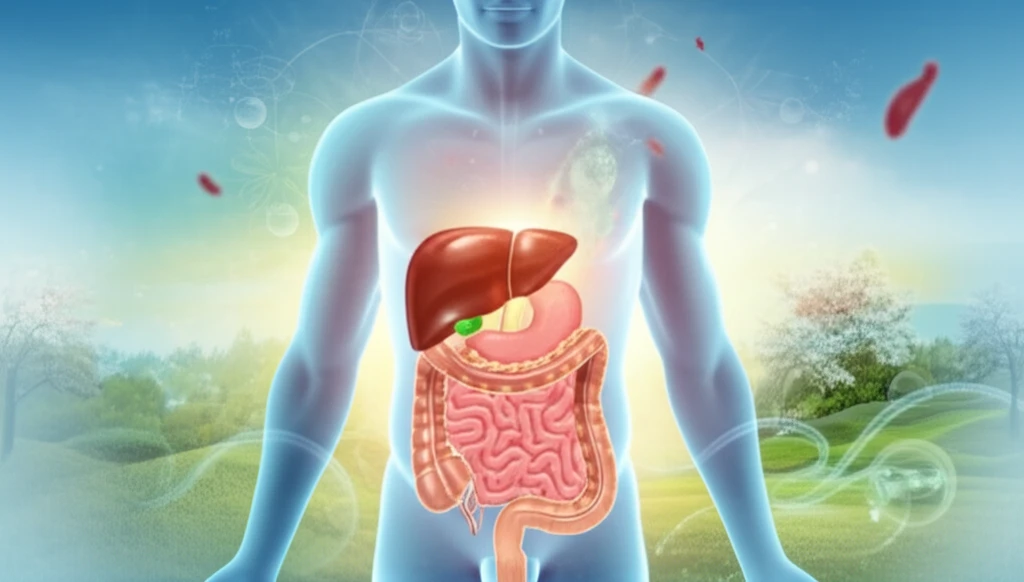
Illustration of a person's internal organs recovering and thriving after schistosomiasis surgery.

Life After Schistosomiasis Surgery: What You Need to Know

"Understanding the Long-Term Impact of Surgical Treatments for Schistosomiasis and How to Manage Your Health Post-Surgery"


Schistosomiasis, a parasitic disease affecting millions worldwide, often leads to severe complications, particularly in the liver and digestive system. In regions where schistosomiasis is prevalent, many individuals face the challenge of managing the disease and its long-term effects. One of the critical aspects of managing schistosomiasis involves surgical interventions, such as esophagogastric devascularization and splenectomy, which are aimed at addressing the complications arising from the disease.

This article delves into the late results of these surgical procedures, offering a comprehensive overview of what patients can expect post-surgery. We'll discuss the importance of understanding the long-term outcomes, potential complications, and the significance of consistent follow-up care. Our goal is to provide accessible information and support for individuals navigating the challenges of life after schistosomiasis surgery.

The information provided in this article is based on the analysis of research findings and expert medical insights, tailored for individuals who have undergone or are considering surgical treatments for schistosomiasis. This includes an examination of the procedures, their effectiveness, and the long-term implications for patients' health and well-being.

Understanding Esophagogastric Devascularization and Splenectomy

Illustration of a person's internal organs recovering and thriving after schistosomiasis surgery.

Esophagogastric devascularization and splenectomy are surgical procedures often used to treat complications of schistosomiasis, specifically portal hypertension and esophageal varices. These complications arise from the damage schistosomiasis causes to the liver, leading to increased pressure in the portal vein (portal hypertension) and the formation of enlarged veins in the esophagus (esophageal varices).

The primary goal of esophagogastric devascularization is to reduce the pressure in the veins of the esophagus and stomach, thereby decreasing the risk of bleeding from esophageal varices. This is achieved by disconnecting the blood vessels that feed these varices. Splenectomy, the removal of the spleen, is often performed in conjunction with devascularization. The spleen can become enlarged and overactive due to portal hypertension, so removing it can help alleviate some of the pressure and improve blood flow.

  • Esophagogastric Devascularization: This procedure aims to prevent bleeding from esophageal varices by cutting off blood supply to the affected veins.
  • Splenectomy: Removing the spleen to reduce pressure in the portal system and address the complications of an enlarged spleen.
  • Combined Approach: Often, these procedures are performed together to provide comprehensive treatment for the complications of schistosomiasis.
The effectiveness of these surgeries is well-documented in reducing the risk of bleeding and improving the overall health of patients. However, it's essential to understand the long-term outcomes, which will be explored in detail throughout this article.

Living Well After Surgery: A Path to Recovery

Life after schistosomiasis surgery requires a proactive approach to health management. Regular follow-up appointments with your healthcare team are crucial for monitoring your condition and addressing any concerns. Adhering to prescribed medications, adopting a balanced diet, and maintaining an active lifestyle can significantly improve your overall well-being. With consistent care and attention, individuals can lead fulfilling lives after undergoing these procedures.

About this Article -

This article was crafted using a human-AI hybrid and collaborative approach. AI assisted our team with initial drafting, research insights, identifying key questions, and image generation. Our human editors guided topic selection, defined the angle, structured the content, ensured factual accuracy and relevance, refined the tone, and conducted thorough editing to deliver helpful, high-quality information.See our About page for more information.

This article is based on research published under:

DOI-LINK: 10.1590/s0102-67202015000300013, Alternate LINK

Title: Late Results Of Esophagogastric Devascularization And Splenectomy Associated With Endoscopic Treatment In Patients With Schistosomiasis

Subject: General Medicine

Journal: ABCD. Arquivos Brasileiros de Cirurgia Digestiva (São Paulo)

Publisher: FapUNIFESP (SciELO)

Authors: Walter De Biase Da Silva-Neto, Claudemiro Quireze-Júnior, Thiago Miranda Tredicci

Published: 2015-09-01

Everything You Need To Know

1

What is the primary goal of esophagogastric devascularization in the context of schistosomiasis?

The main purpose of esophagogastric devascularization is to reduce the pressure in the veins of the esophagus and stomach. This is achieved by cutting off the blood supply to the esophageal varices, which are enlarged veins in the esophagus. By reducing pressure, the risk of bleeding from these varices is significantly decreased, improving the patient's health and quality of life following schistosomiasis complications.

2

Why is splenectomy often performed along with esophagogastric devascularization for schistosomiasis?

Splenectomy, the removal of the spleen, is often combined with esophagogastric devascularization because schistosomiasis can lead to portal hypertension, causing the spleen to become enlarged and overactive. Removing the spleen addresses this enlargement and helps to alleviate the pressure in the portal system. This combined approach offers more comprehensive treatment for the complications associated with schistosomiasis, improving blood flow and reducing other complications.

3

What long-term health management strategies are recommended after undergoing surgery for schistosomiasis?

Life after surgery for schistosomiasis requires a proactive health management strategy. Regular follow-up appointments with your healthcare team are critical to monitor your condition and address any potential issues. You should adhere to prescribed medications, adopt a balanced diet, and maintain an active lifestyle. These measures will improve overall well-being and assist in a fulfilling life post-surgery.

4

How do schistosomiasis, portal hypertension, and esophageal varices relate to surgical interventions?

Schistosomiasis, a parasitic disease, can cause liver damage leading to portal hypertension, increased pressure in the portal vein. This pressure increase then leads to the formation of esophageal varices, which are enlarged veins in the esophagus. Esophagogastric devascularization and splenectomy are surgical interventions used to treat these complications. Devascularization aims to reduce pressure on the esophageal varices and prevent bleeding, while splenectomy addresses complications from an enlarged spleen due to portal hypertension.

5

What are the key differences between esophagogastric devascularization and splenectomy, and why are they often performed together?

Esophagogastric devascularization focuses on cutting off blood supply to esophageal varices to prevent bleeding, directly addressing a specific complication of schistosomiasis. Splenectomy, on the other hand, involves removing the spleen to alleviate pressure in the portal system and address issues related to an enlarged spleen. They are often performed together because they treat different aspects of the same problem: Esophagogastric devascularization tackles the immediate risk of bleeding, and splenectomy addresses the underlying issues of portal hypertension and an enlarged spleen. This combined approach provides comprehensive treatment for those affected by schistosomiasis, improving the overall effectiveness of the intervention.

Newsletter Subscribe

Subscribe to get the latest articles and insights directly in your inbox.