
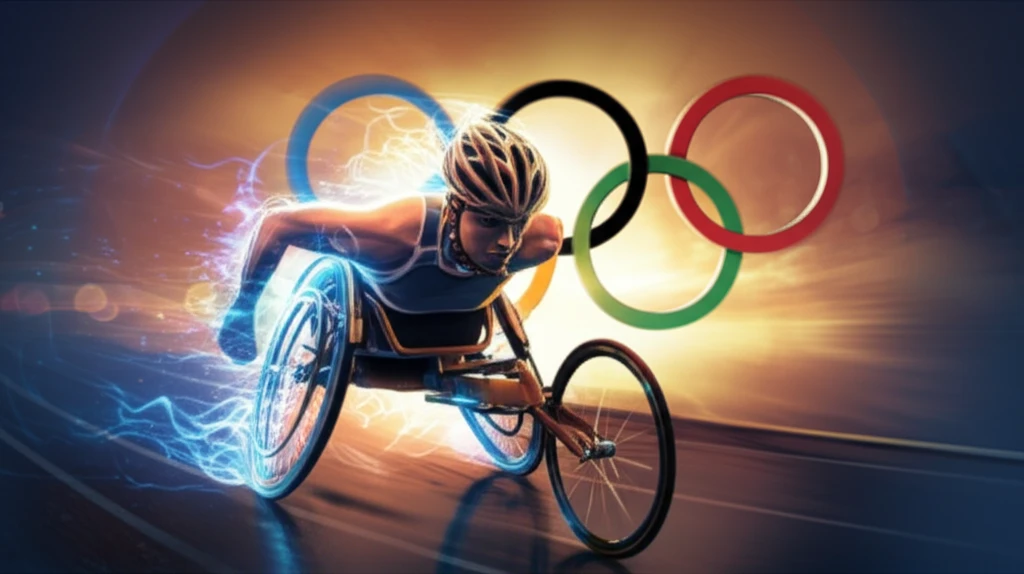
Empowered athlete with a disability participating in the Paralympic Games.

Level Up Life: How the Paralympic Games & Exercise Rehabilitation Can Transform Lives

"Discover how participating in the Paralympic Games and embracing exercise rehabilitation can unlock a new world of possibilities and improved quality of life for individuals with disabilities."


The 2018 Pyeongchang Winter Paralympic Games marked a significant milestone as the first winter paralympic stage held in Korea since the 1988 Seoul Paralympic Games. This event shines a spotlight on the remarkable capabilities of athletes with disabilities and the power of sports to inspire and unite.

The Paralympic Games is more than just a sporting event; it's a global movement that celebrates inclusivity and athletic achievement. It involves athletes with a wide spectrum of disabilities, including impaired muscle power, limited range of movement, limb deficiencies, vision impairment, and intellectual disabilities. Governed by the International Paralympic Committee (IPC), the Games demonstrate the extraordinary potential of the human spirit.

From its humble beginnings as a gathering of British World War II veterans, the Paralympics has evolved into a major international sporting event. The Games continue to grow, with thousands of competitors from over 100 countries participating in the London 2012 Games. This evolution reflects a growing recognition of the importance of sports and rehabilitation for individuals with disabilities.

Breaking Barriers: How the Paralympic Games Changes Lives

Empowered athlete with a disability participating in the Paralympic Games.

The Paralympic Games offer a platform where individuals with disabilities can defy limitations and achieve their full potential. By focusing on ability rather than disability, the Games challenge societal perceptions and promote inclusivity. Sports provide an arena where barriers related to educational background, gender, disability level, and economic status become irrelevant.

Exercise and sports play a vital role in the lives of Paralympic athletes and individuals with disabilities in general. The benefits of exercise are continually being discovered, and ongoing research is leading to more effective methods of rehabilitation and training. These activities not only improve physical health but also enhance mental well-being and overall quality of life.

  • Improved Physical Health: Exercise strengthens muscles, improves cardiovascular health, and increases overall fitness.
  • Enhanced Mental Well-being: Sports participation reduces stress, improves mood, and boosts self-esteem.
  • Increased Social Interaction: Team sports and group activities foster social connections and reduce feelings of isolation.
  • Greater Independence: Rehabilitation programs help individuals develop skills and strategies to live more independently.
Participating in the Paralympic Games or engaging in regular exercise can have a profound impact on life satisfaction. Studies show that individuals with disabilities often experience lower life satisfaction, particularly in terms of economic well-being. However, sports provide an avenue for personal growth, skill development, and social inclusion, leading to a more fulfilling and satisfying life.

A New Life Through Sports: Overcoming Challenges and Inspiring Others

The Paralympic Games offer a unique opportunity for individuals with disabilities to start a new life, improve their quality of life, and inspire others. By embracing sports and exercise rehabilitation, they can overcome challenges, develop new skills, and build self-confidence.

The Paralympic Games should be a mega-sporting venue for everyone with disabilities. These games can set an example for others with disabilities by demonstrating their willingness to overcome their challenges.

Ultimately, the Paralympic Games serve as a powerful reminder of the potential within every individual. By promoting inclusivity and providing opportunities for athletes with disabilities to shine, the Games inspire us all to challenge our own limitations and strive for excellence, creating a more inclusive and equitable society.

About this Article -

This article was crafted using a human-AI hybrid and collaborative approach. AI assisted our team with initial drafting, research insights, identifying key questions, and image generation. Our human editors guided topic selection, defined the angle, structured the content, ensured factual accuracy and relevance, refined the tone, and conducted thorough editing to deliver helpful, high-quality information.See our About page for more information.

This article is based on research published under:

DOI-LINK: 10.12965/jer.1836188.094, Alternate LINK

Title: Participating In The Paralympic Games Through Exercise Rehabilitation For Individuals With Disabilities

Subject: Orthopedics and Sports Medicine

Journal: Journal of Exercise Rehabilitation

Publisher: Korean Society of Exercise Rehabilitation

Authors: Yong-Seok Jee

Published: 2018-04-26

Everything You Need To Know

1

What exactly are the Paralympic Games, and who governs them?

The Paralympic Games are an international sporting competition for athletes with a wide range of disabilities, including impaired muscle power, limited range of movement, limb deficiencies, vision impairment, and intellectual disabilities. It is governed by the International Paralympic Committee (IPC). It's more than just sports; it's a global movement for inclusivity and celebrating athletic achievement, highlighting the extraordinary potential of the human spirit. It provides opportunities to defy limitations and achieve their full potential.

2

What are the key benefits of exercise rehabilitation for athletes participating in the Paralympic Games?

Exercise rehabilitation, particularly within the context of the Paralympic Games, offers numerous benefits. It improves physical health by strengthening muscles and enhancing cardiovascular health. It also enhances mental well-being by reducing stress and boosting self-esteem. Increased social interaction through team sports can also reduce feelings of isolation. These programs also aid in developing skills that promote independence, ultimately leading to a more fulfilling life.

3

What was the significance of the 2018 Pyeongchang Winter Paralympic Games?

The 2018 Pyeongchang Winter Paralympic Games were historically significant as the first winter paralympic games held in Korea since the 1988 Seoul Paralympic Games. This event provided a platform to showcase the remarkable capabilities of athletes with disabilities, promoting inclusivity and unity. It also highlighted the role of sports in breaking down barriers and inspiring others.

4

Why are the Paralympic Games so important in changing perceptions and promoting inclusivity?

The Paralympic Games are important because they challenge societal perceptions of disability by showcasing athletes' abilities, promoting inclusivity. They offer a space where barriers related to educational background, gender, disability level, and economic status become irrelevant. By focusing on ability rather than disability, the Games inspire individuals to overcome challenges, develop new skills, and build self-confidence, thus contributing to a more equitable and inclusive society.

5

How do the Paralympic Games and exercise rehabilitation contribute to improved life satisfaction for individuals with disabilities?

Participating in the Paralympic Games and engaging in regular exercise rehabilitation can significantly improve life satisfaction for individuals with disabilities. While studies indicate that individuals with disabilities often experience lower life satisfaction, particularly in economic well-being, sports offer opportunities for personal growth, skill development, and social inclusion. These activities foster a sense of purpose, belonging, and empowerment, leading to a more fulfilling and satisfying life.

Newsletter Subscribe

Subscribe to get the latest articles and insights directly in your inbox.