
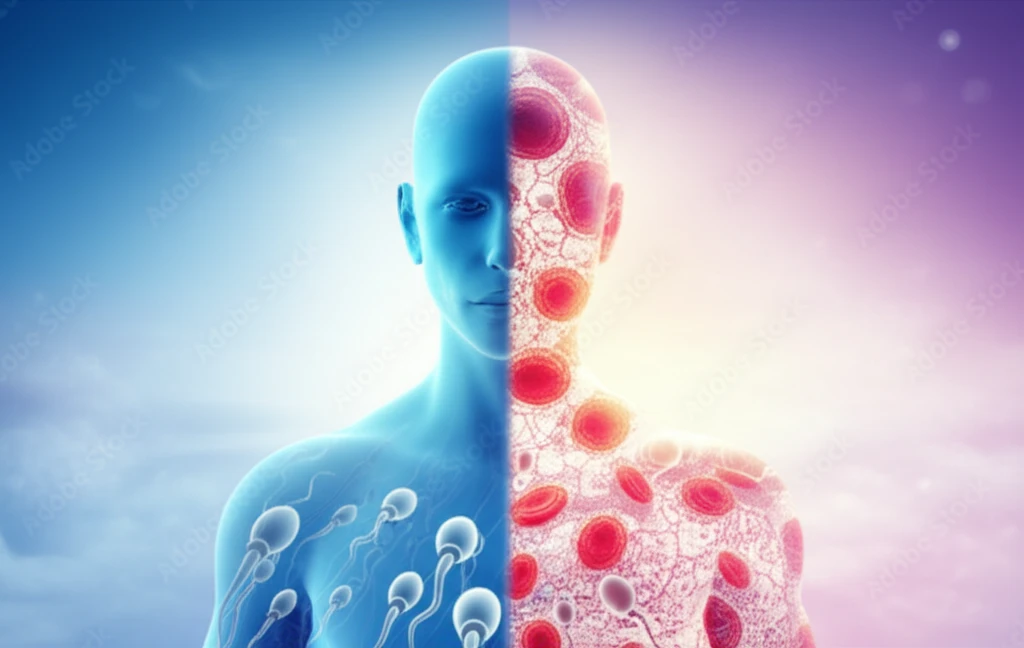
Leukemia and Fertility: Navigating the Complexities of Parenthood After Cancer

"Understanding the impact of leukemia on male fertility and exploring options for preserving and achieving parenthood."
For many, the journey through cancer treatment is marked not only by physical challenges but also by profound questions about the future. One of the most significant of these is the prospect of parenthood. Advances in cancer treatment have dramatically increased survival rates, opening the door for survivors to contemplate building families. However, cancer and its treatments can significantly impact fertility, particularly in men. This article delves into the specific challenges that leukemia poses to male fertility, offering clarity and hope to those navigating this complex terrain.
Leukemia, a cancer of the blood-forming tissues, presents unique challenges to fertility. The disease itself, along with the intensive treatments required, can disrupt the delicate process of spermatogenesis—the production of sperm. This article aims to demystify these impacts, providing a comprehensive overview of how leukemia affects sperm quality, the potential mechanisms involved, and the available options for preserving and achieving parenthood. We'll explore the science, the treatment implications, and the pathways forward for those seeking to start or expand their families.
This exploration is particularly crucial given the increasing focus on life after cancer. As survival rates continue to improve, more and more men with leukemia are looking beyond treatment and envisioning a future that includes children. Understanding the effects of leukemia on fertility isn't just about medical facts; it's about empowering individuals to make informed decisions and pursue their dreams of parenthood. This article serves as a guide, offering both scientific insights and compassionate guidance.
The Impact of Leukemia on Male Fertility: What You Need to Know
Leukemia affects male fertility through various mechanisms, both directly and indirectly. The disease itself can disrupt the hormonal balance necessary for sperm production. Treatments like chemotherapy and radiation therapy, which are critical for fighting leukemia, can also damage the cells responsible for sperm production in the testes. Furthermore, leukemia can sometimes infiltrate the testes, creating a local environment that is hostile to sperm development. These factors can lead to reduced sperm count, decreased sperm motility (the ability of sperm to move effectively), and abnormal sperm morphology (shape).
- Hormonal Imbalance: Leukemia can affect the endocrine system, disrupting hormones crucial for sperm production, such as testosterone.
- Chemotherapy: Many chemotherapy drugs damage the cells in the testes that produce sperm.
- Radiation Therapy: Radiation to the pelvic region can severely impair sperm production.
- Testicular Infiltration: In some cases, leukemia cells infiltrate the testes, disrupting normal function.
Charting a Course to Parenthood After Leukemia
The journey through leukemia and its impact on fertility is undoubtedly challenging. However, with advancements in medical understanding and available treatments, the dream of parenthood remains within reach for many. By understanding the complexities of leukemia's effects on fertility and embracing the available options, survivors can navigate this path with informed confidence and optimism. This journey requires open communication with healthcare providers, a commitment to exploring all available resources, and the unwavering belief in the possibility of building a family. With the right support, those affected by leukemia can look forward to a future filled with hope, healing, and the joy of parenthood.