
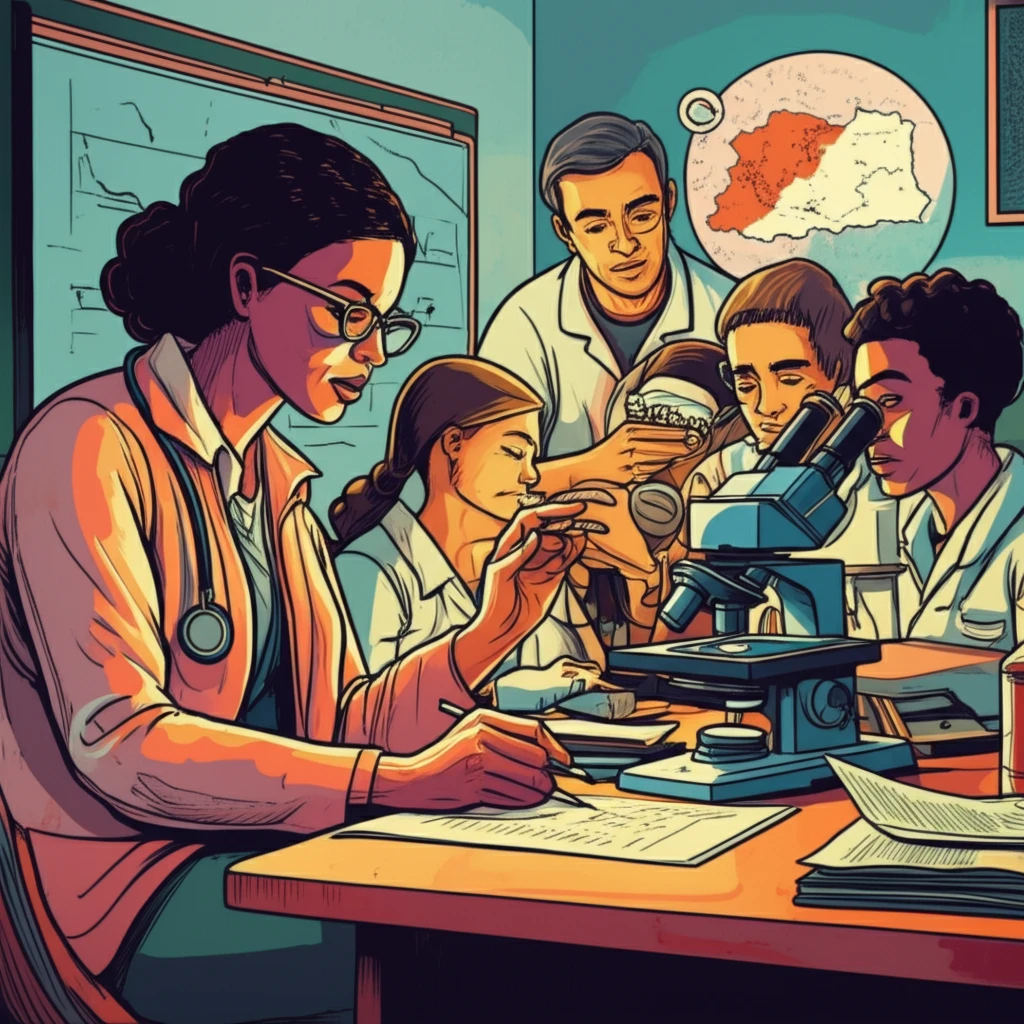
Leishmaniasis Education: Bridging the Knowledge Gap in Minas Gerais

"A new study reveals how teachers in an endemic region are tackling leishmaniasis education, uncovering critical insights for public health and science educators."
Leishmaniasis, a group of neglected tropical diseases, poses a significant health challenge in Brazil, particularly in areas like Divinópolis, Minas Gerais. Caused by protozoa of the Leishmania genus, these diseases manifest in two primary forms: cutaneous leishmaniasis (CL) and visceral leishmaniasis (VL). The lack of awareness and knowledge surrounding these diseases exacerbates their spread, leading to increased cases and socio-economic burdens.
Recognizing the urgent need for effective educational strategies, a study was conducted to investigate the perceptions and practices of primary and secondary school teachers regarding leishmaniasis education. This research aimed to understand how educators in endemic areas approach the topic, what challenges they face, and what resources they utilize in their teaching.
By examining the perspectives of science and biology teachers, this article sheds light on the current state of leishmaniasis education in Minas Gerais, offering valuable insights for improving public health interventions and educational programs. The study underscores the importance of empowering educators with accurate information and effective teaching tools to combat the spread of this neglected disease.
How Teachers Approach Leishmaniasis in the Classroom
The study involved in-depth interviews with ten science and biology teachers from both public and private schools in Divinópolis. The interviews explored their understanding of leishmaniasis, their teaching practices, and the resources they used to educate students about the disease.
- Lack of Importance: Teachers often prioritize other health topics, such as HIV/AIDS and dengue fever, over leishmaniasis.
- Superficial Coverage: The complexity of the disease and the limited availability of resources contribute to a shallow understanding among students.
- Teacher Preparedness: Many teachers feel unprepared to teach about leishmaniasis, lacking the necessary training and resources.
- Curriculum Constraints: A packed curriculum leaves little room for detailed discussions on specific diseases like leishmaniasis.
Empowering Educators for a Healthier Future
The study highlights the critical need for targeted interventions to improve leishmaniasis education in Minas Gerais. By providing teachers with accurate information, effective teaching strategies, and access to relevant resources, we can empower them to play a vital role in preventing the spread of this neglected disease and promoting the health and well-being of their students.